
 Image 1 of 23
 Image 2 of 23
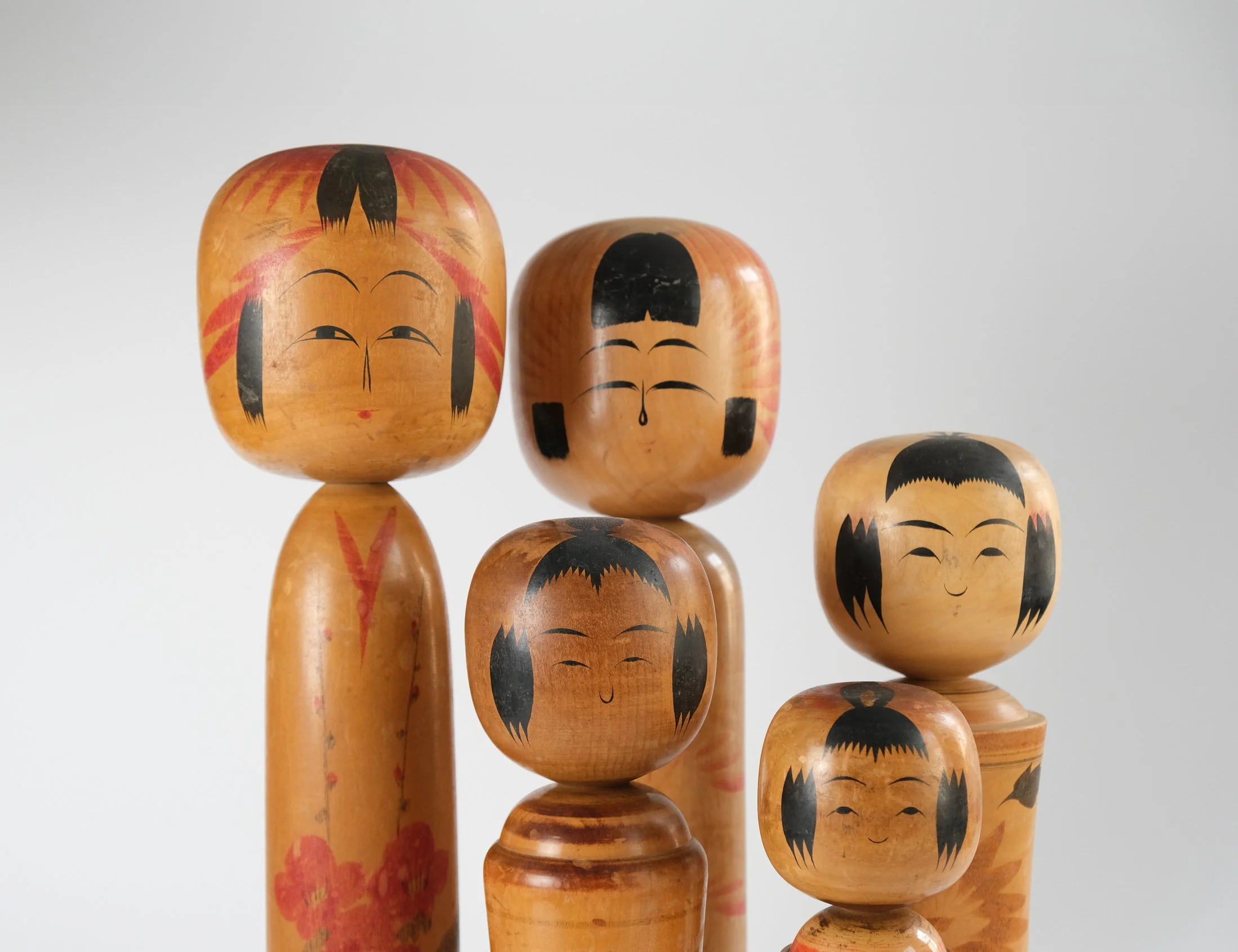 Image 3 of 23
 Image 4 of 23
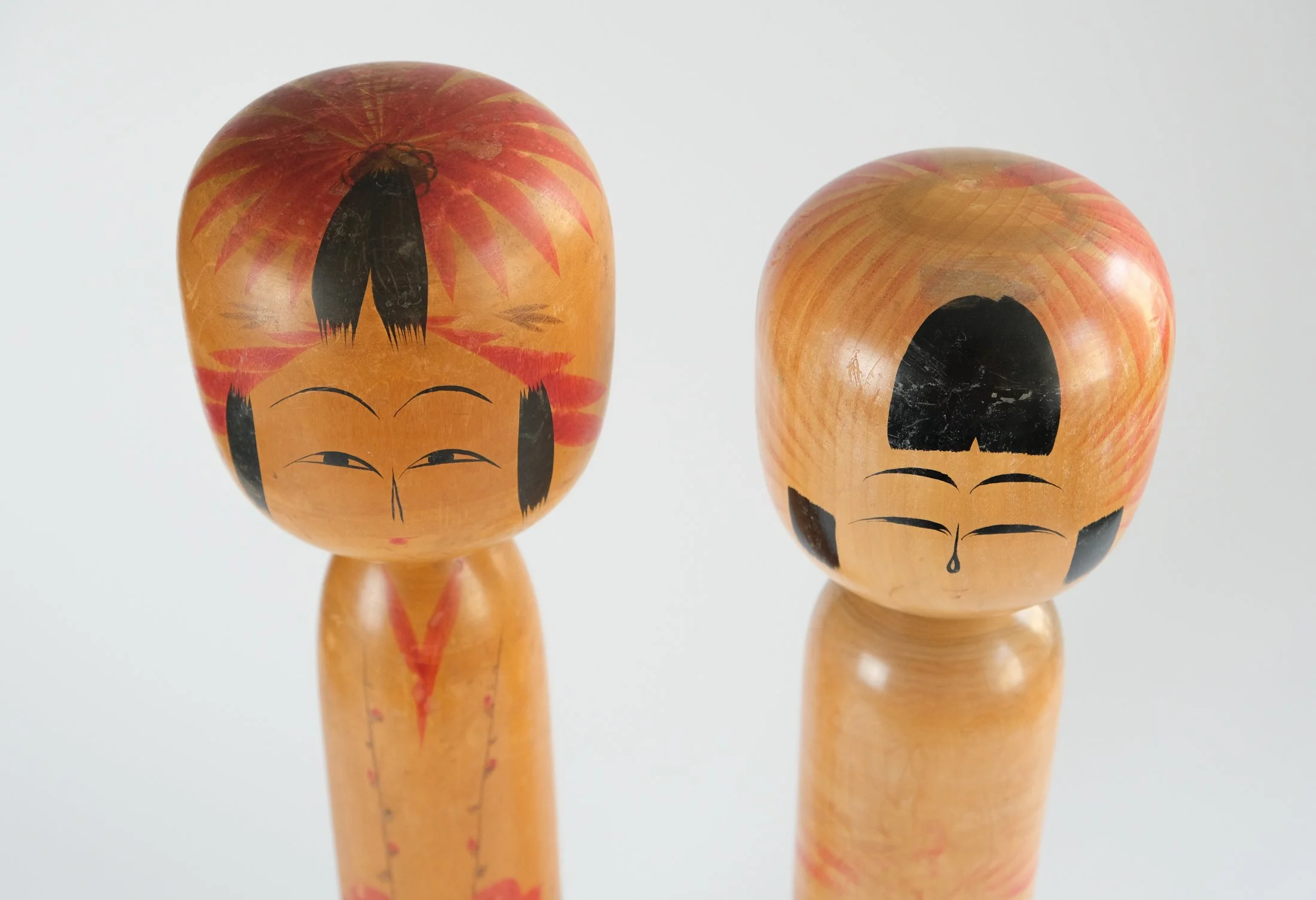 Image 5 of 23
 Image 6 of 23
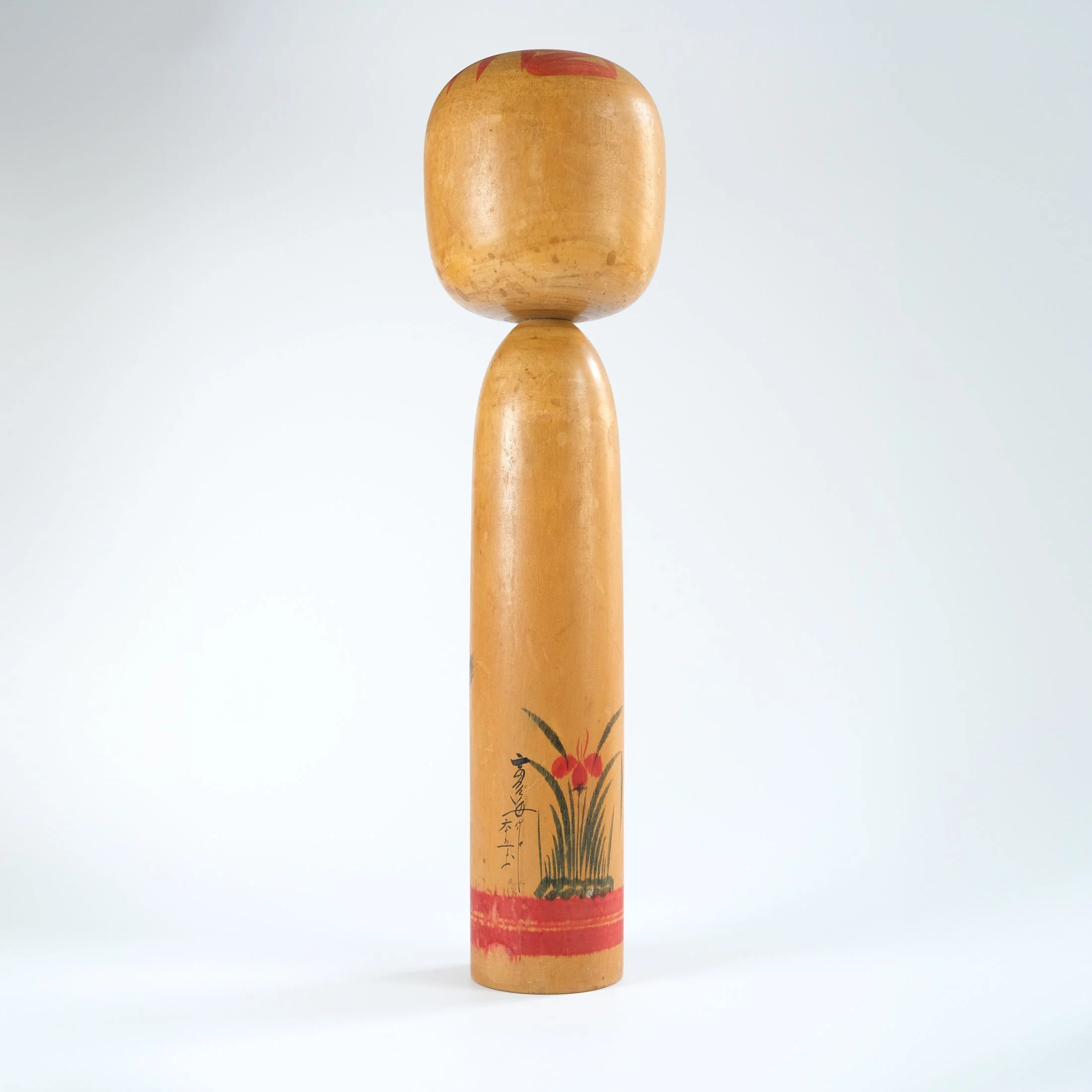 Image 7 of 23
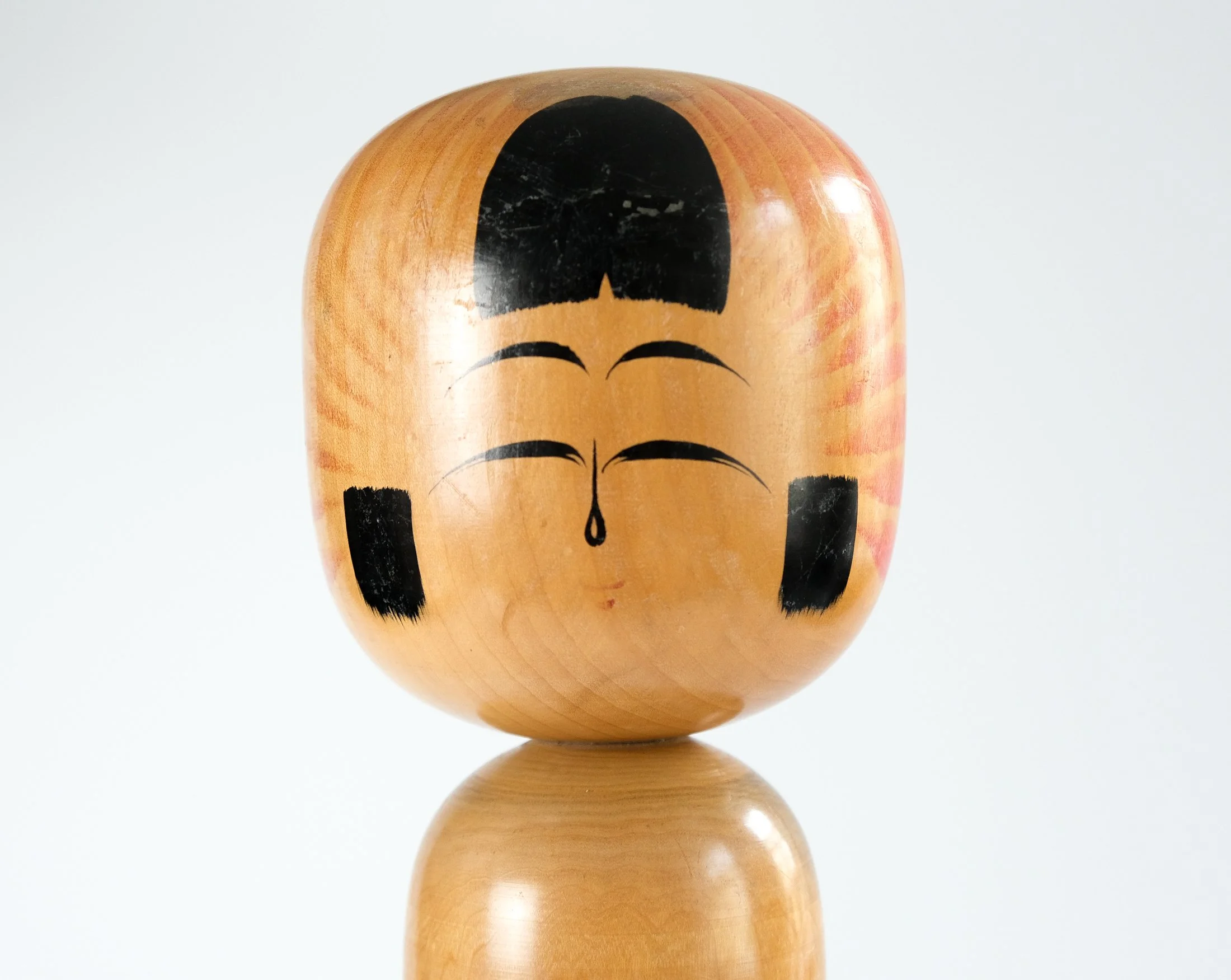 Image 8 of 23
 Image 9 of 23
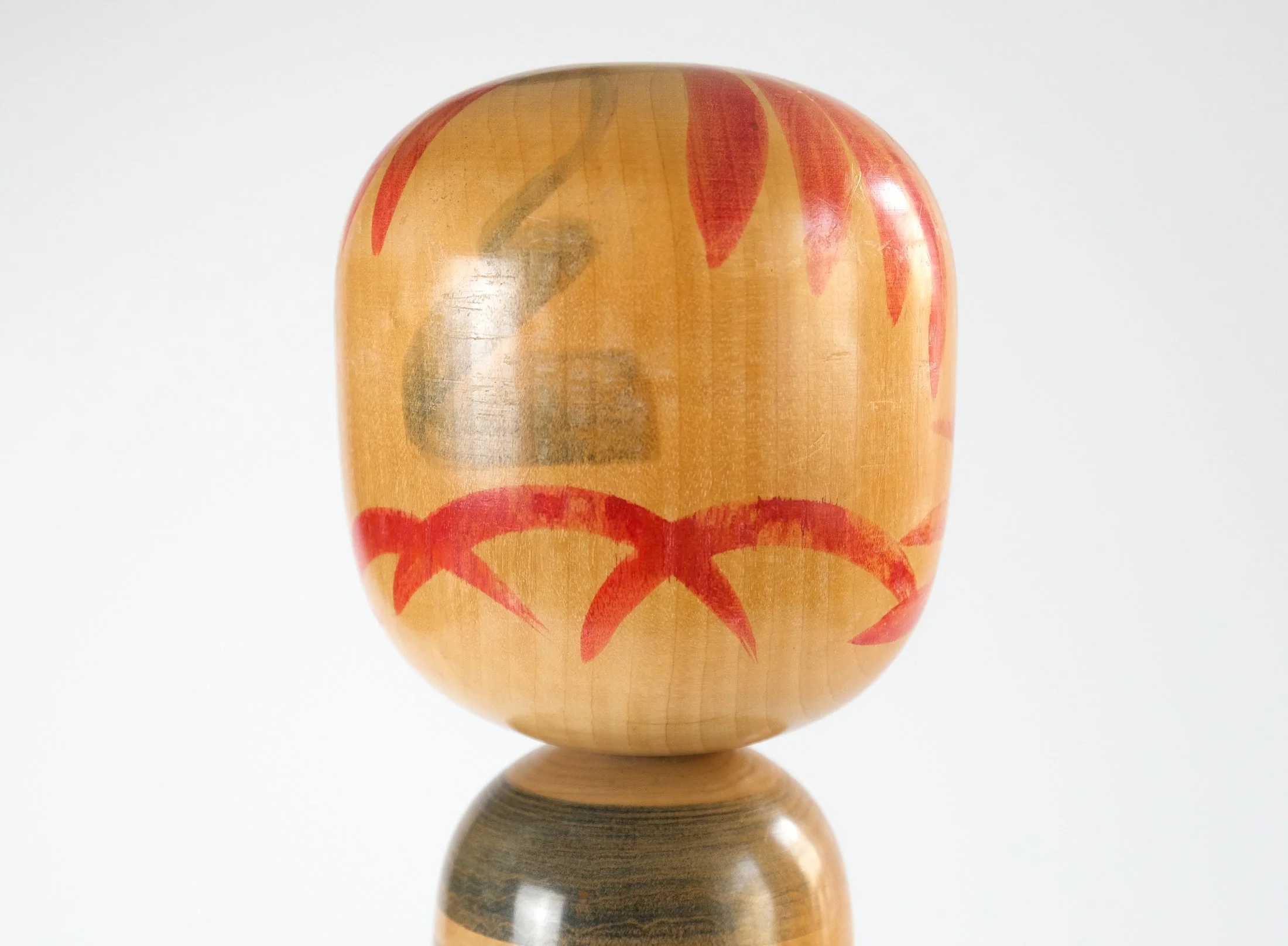 Image 10 of 23
 Image 11 of 23
 Image 12 of 23
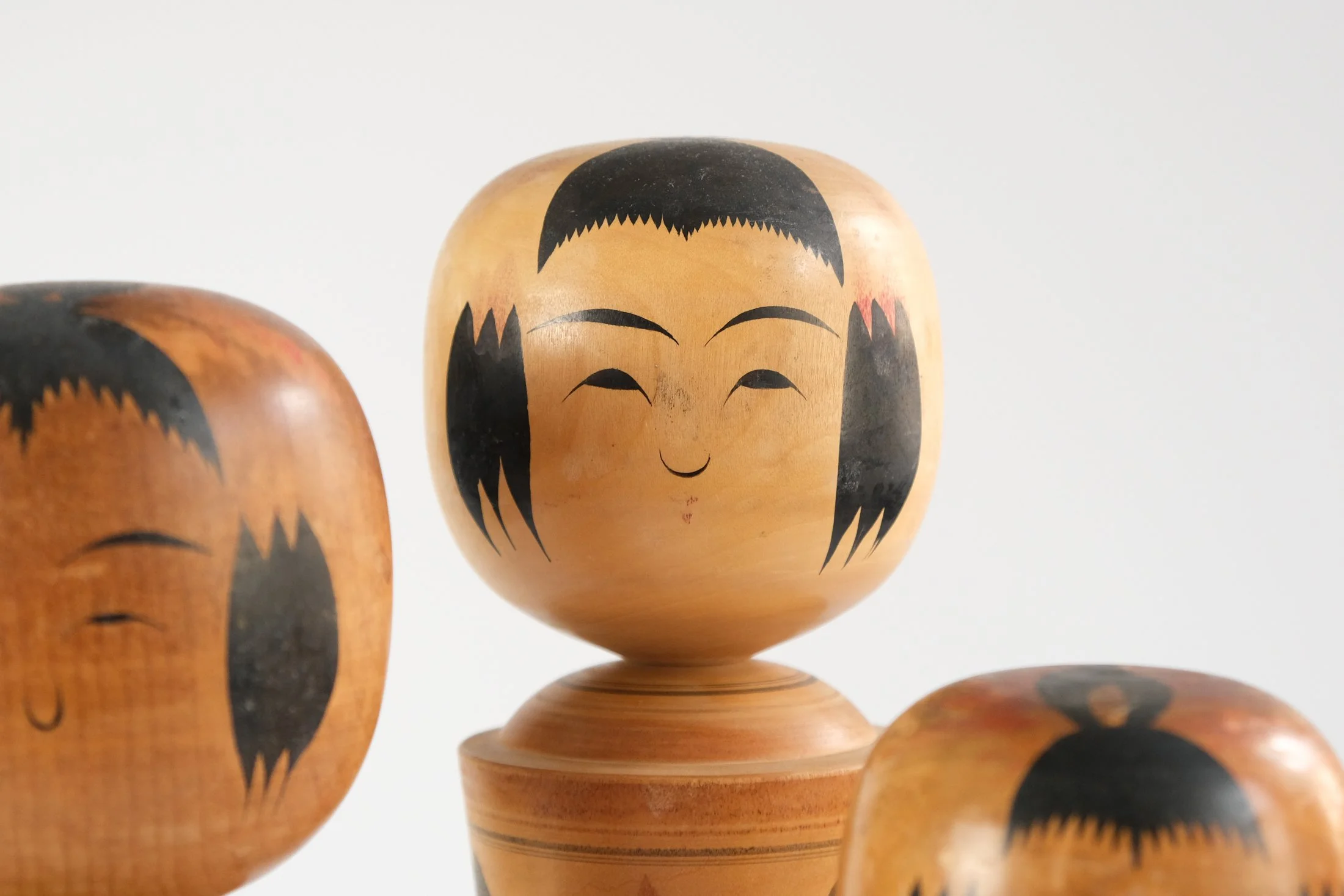 Image 13 of 23
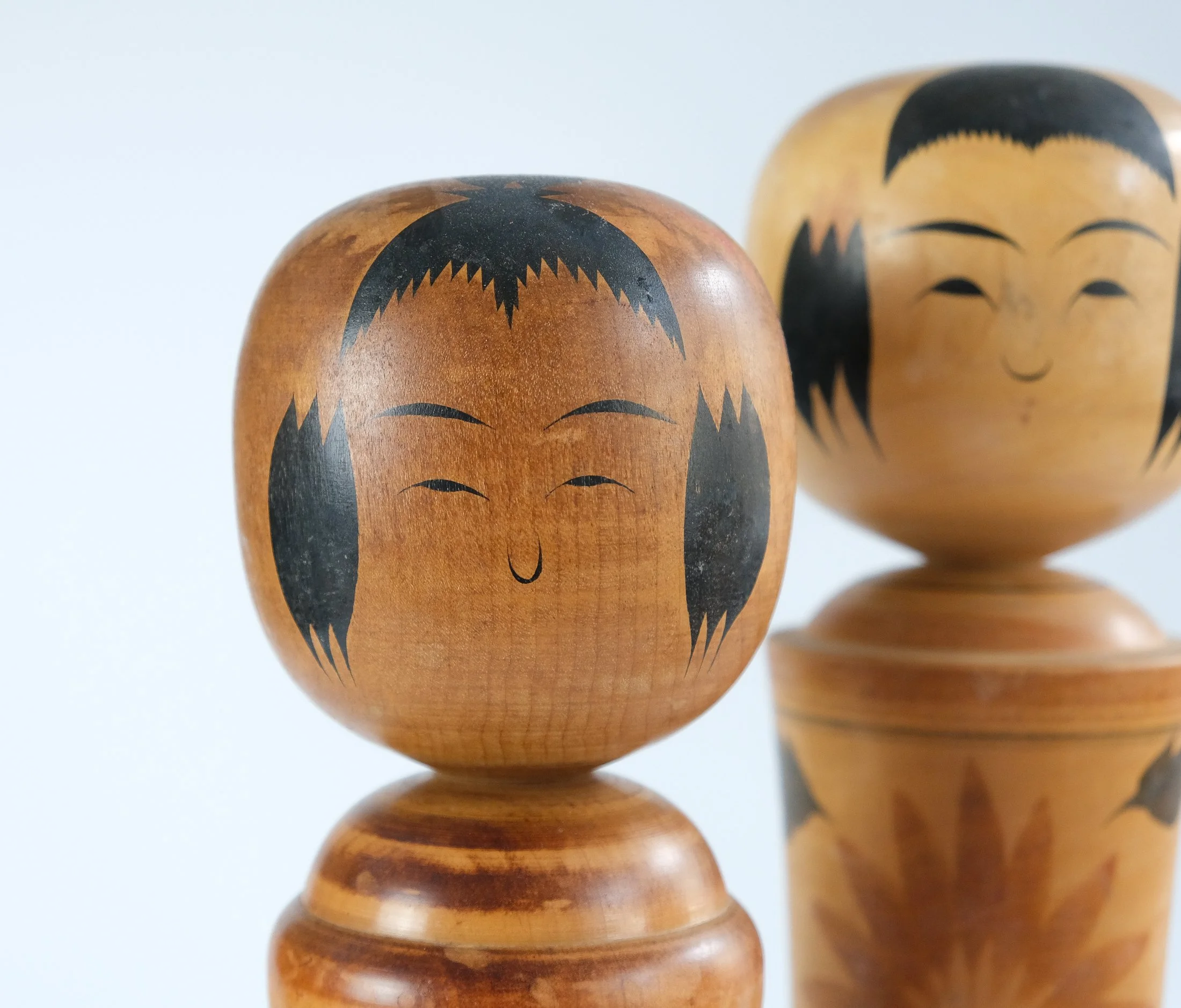 Image 14 of 23
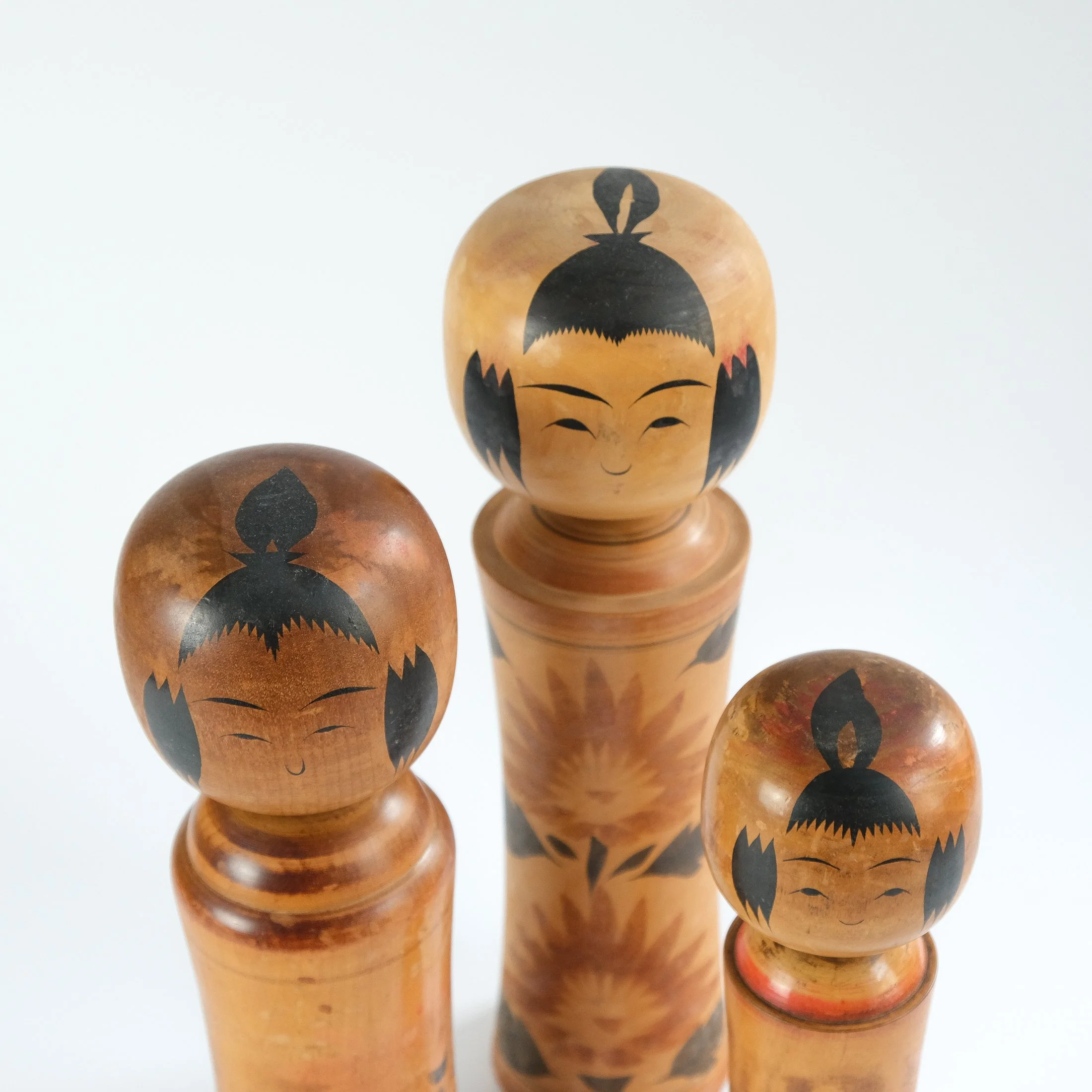 Image 15 of 23
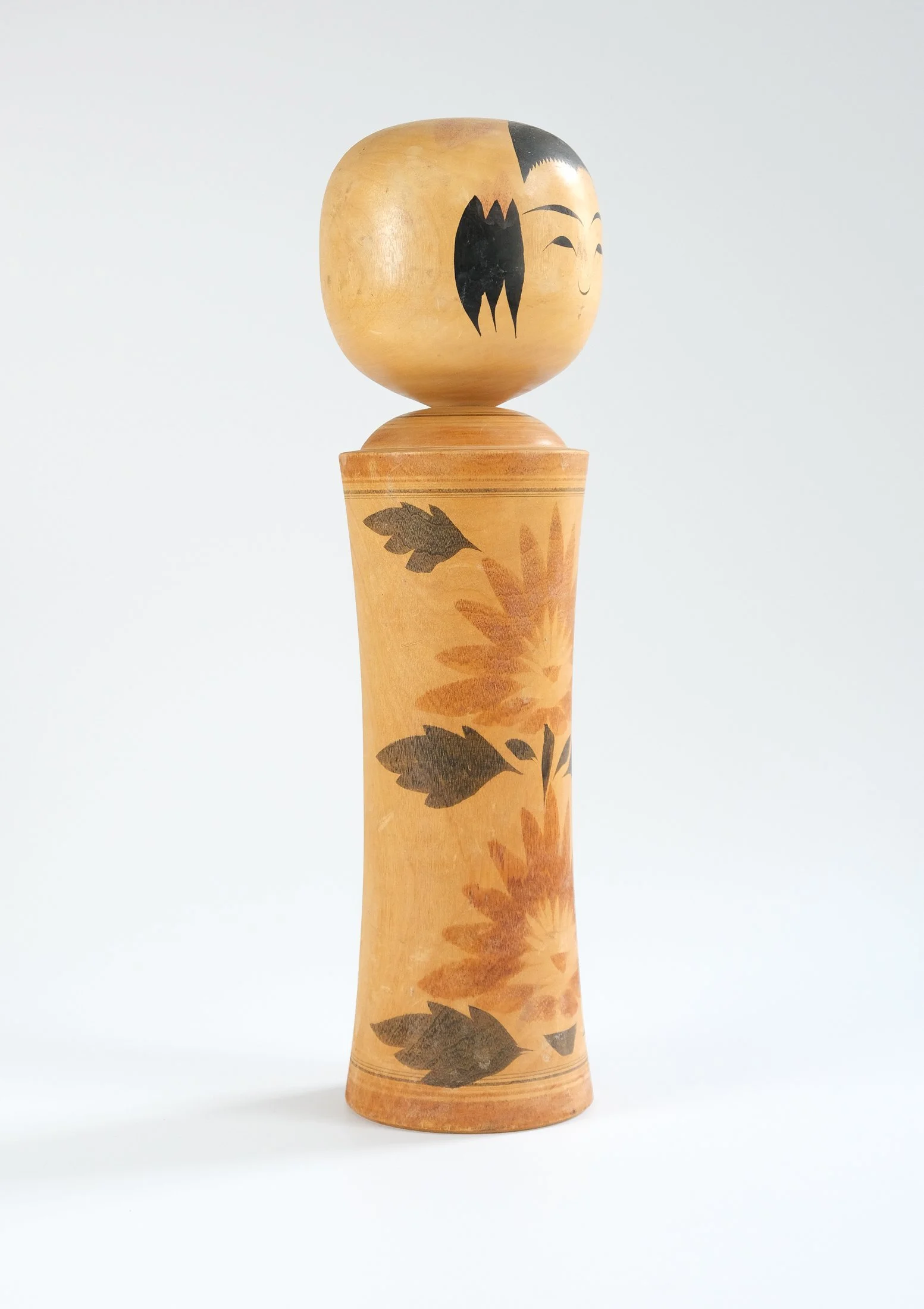 Image 16 of 23
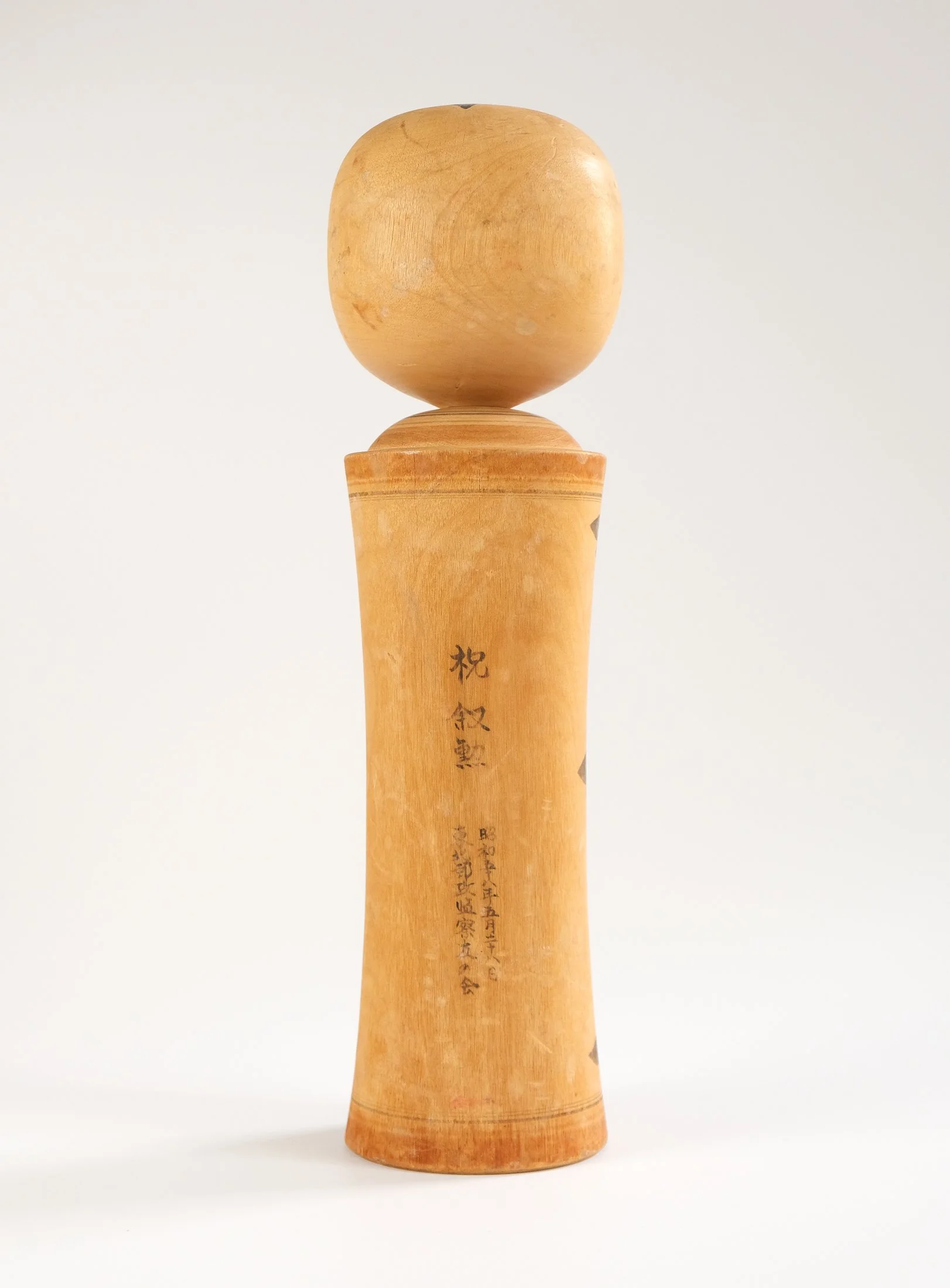 Image 17 of 23
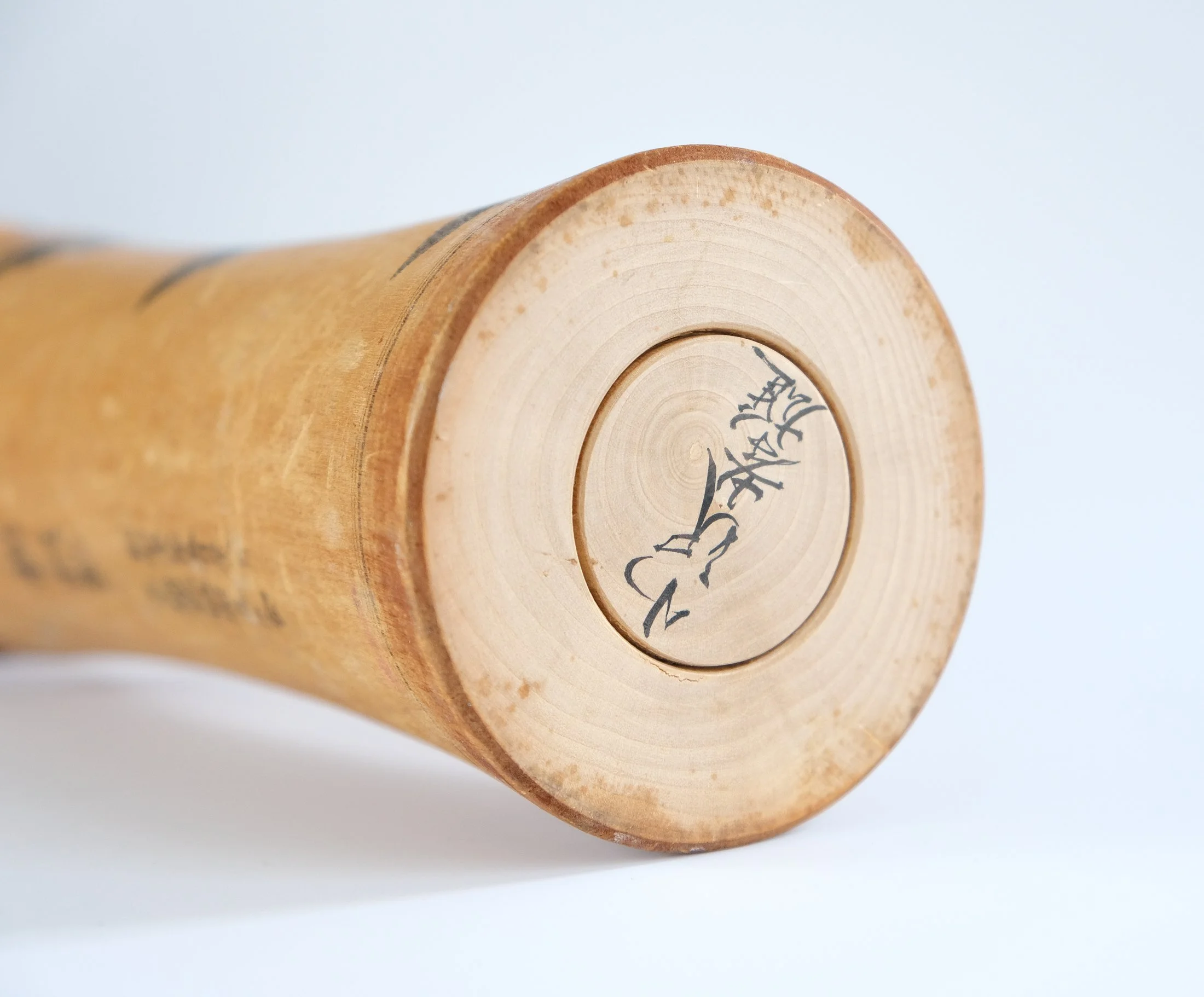 Image 18 of 23
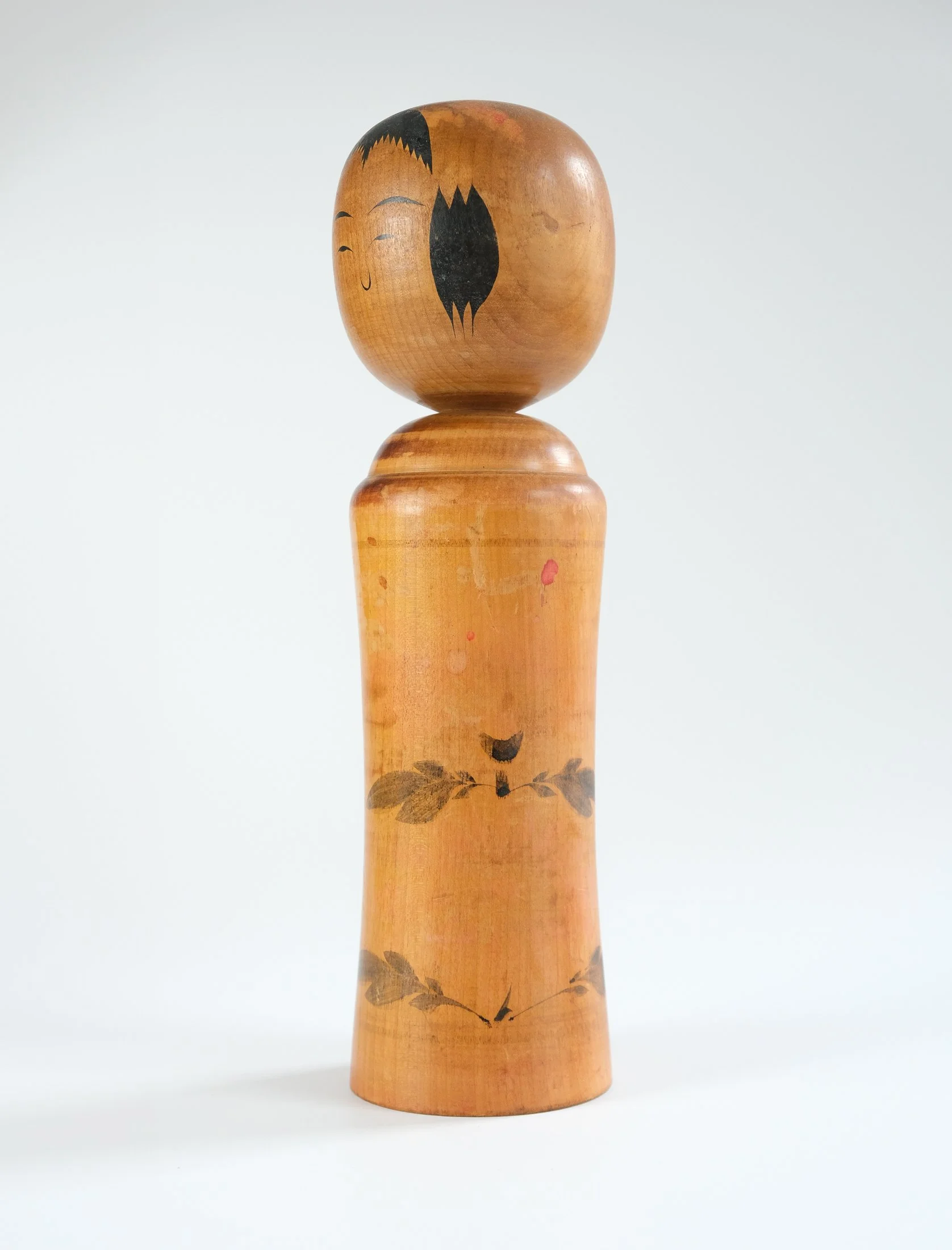 Image 19 of 23
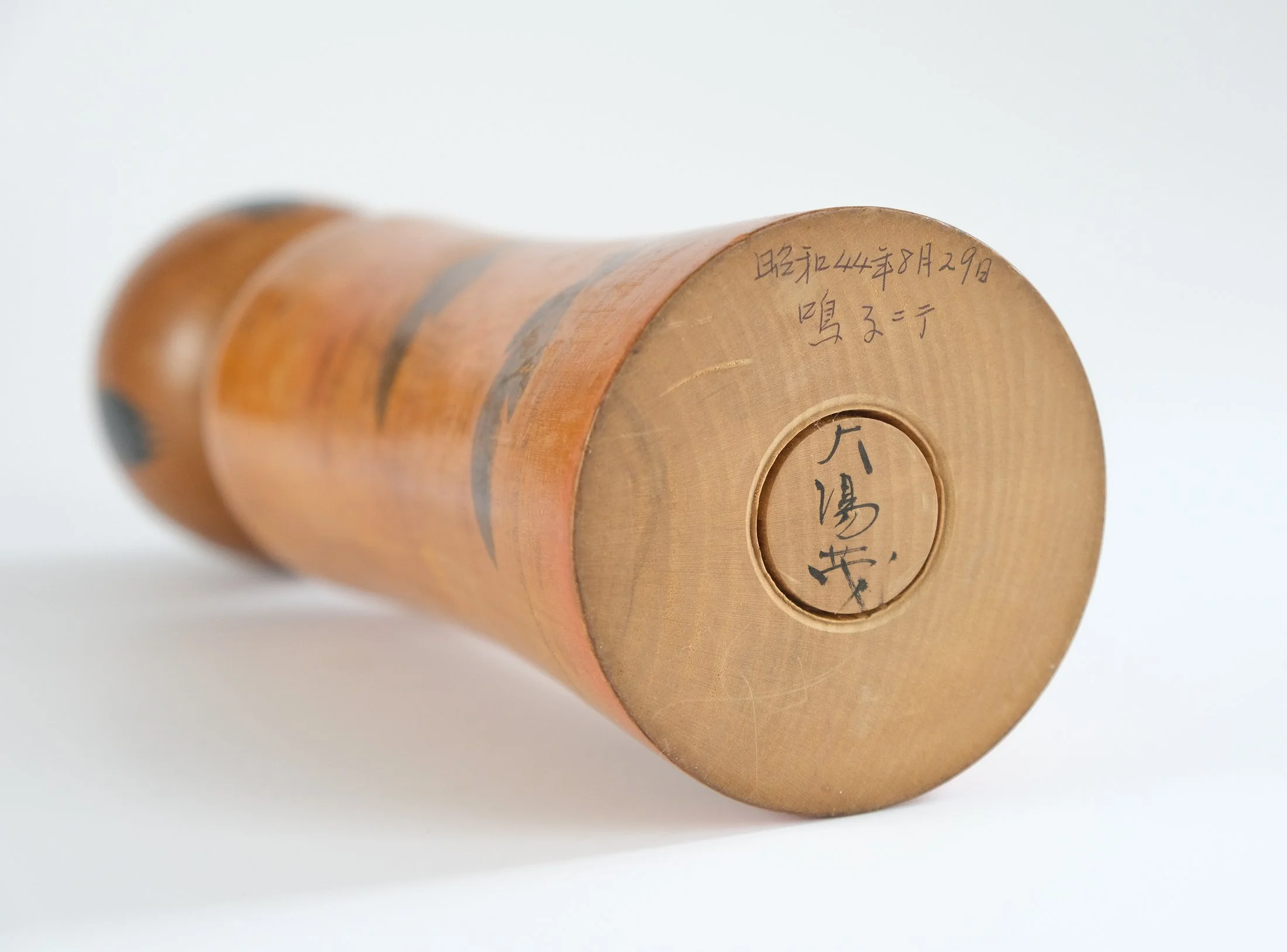 Image 20 of 23
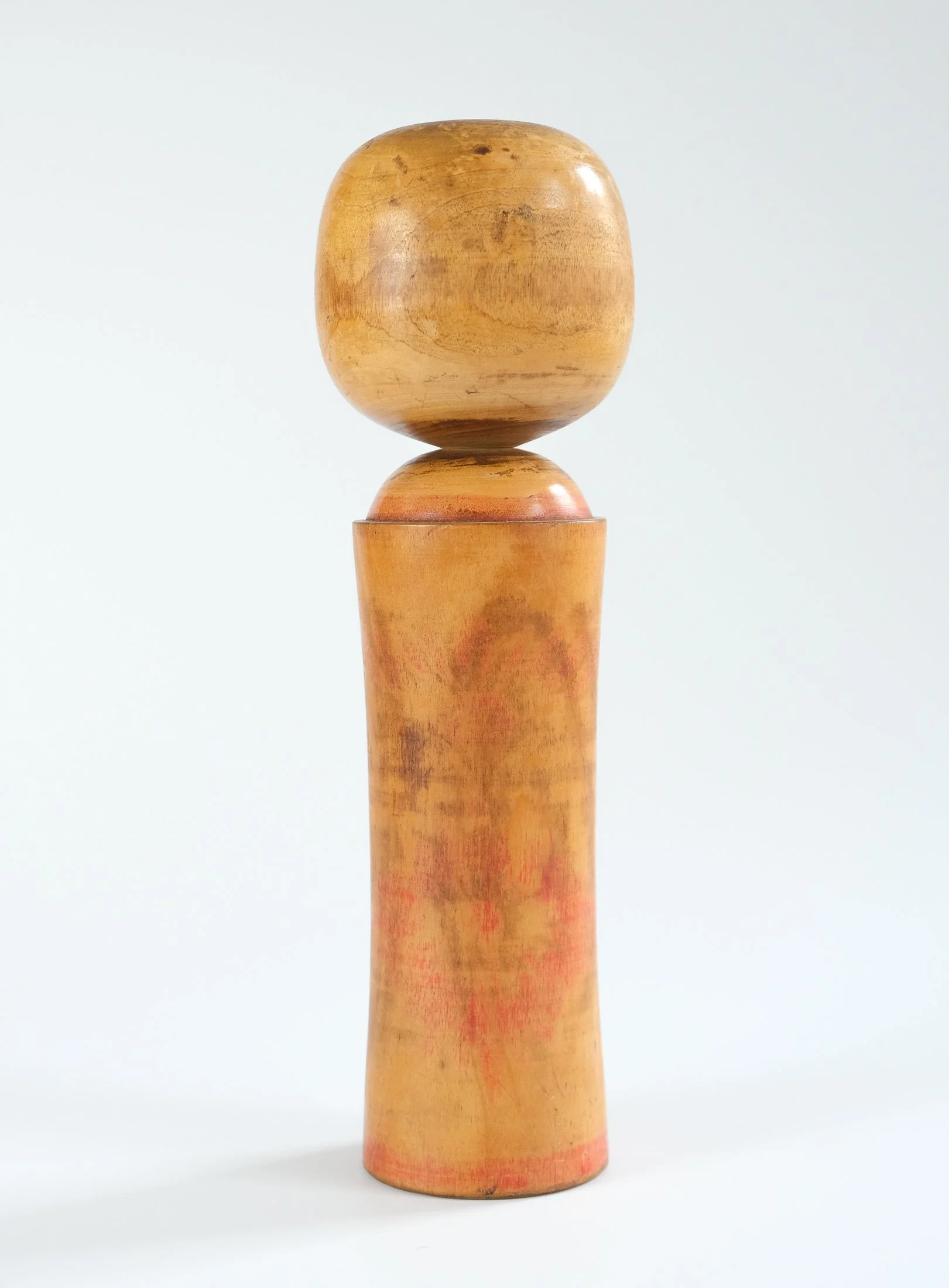 Image 21 of 23
 Image 22 of 23
 Image 23 of 23
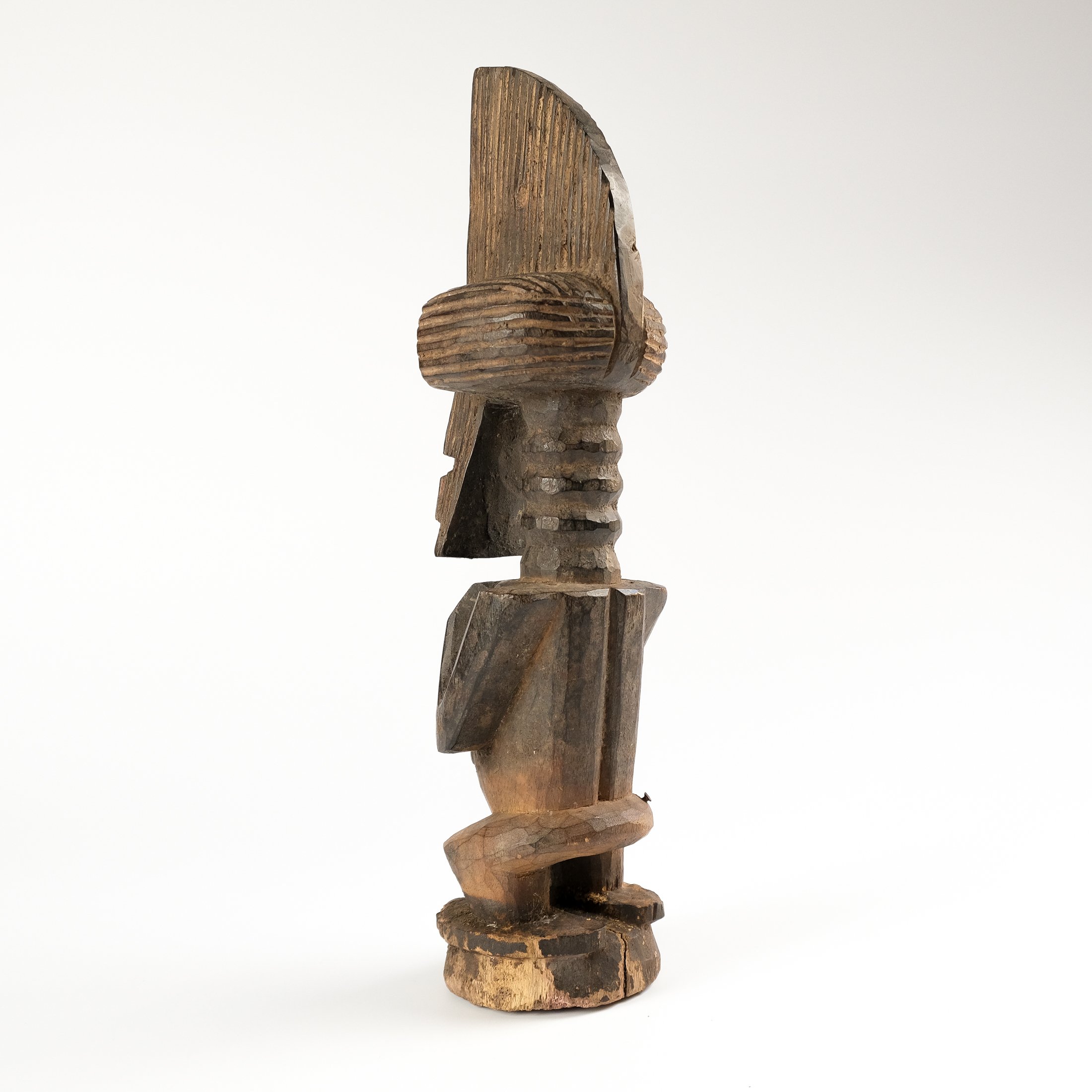
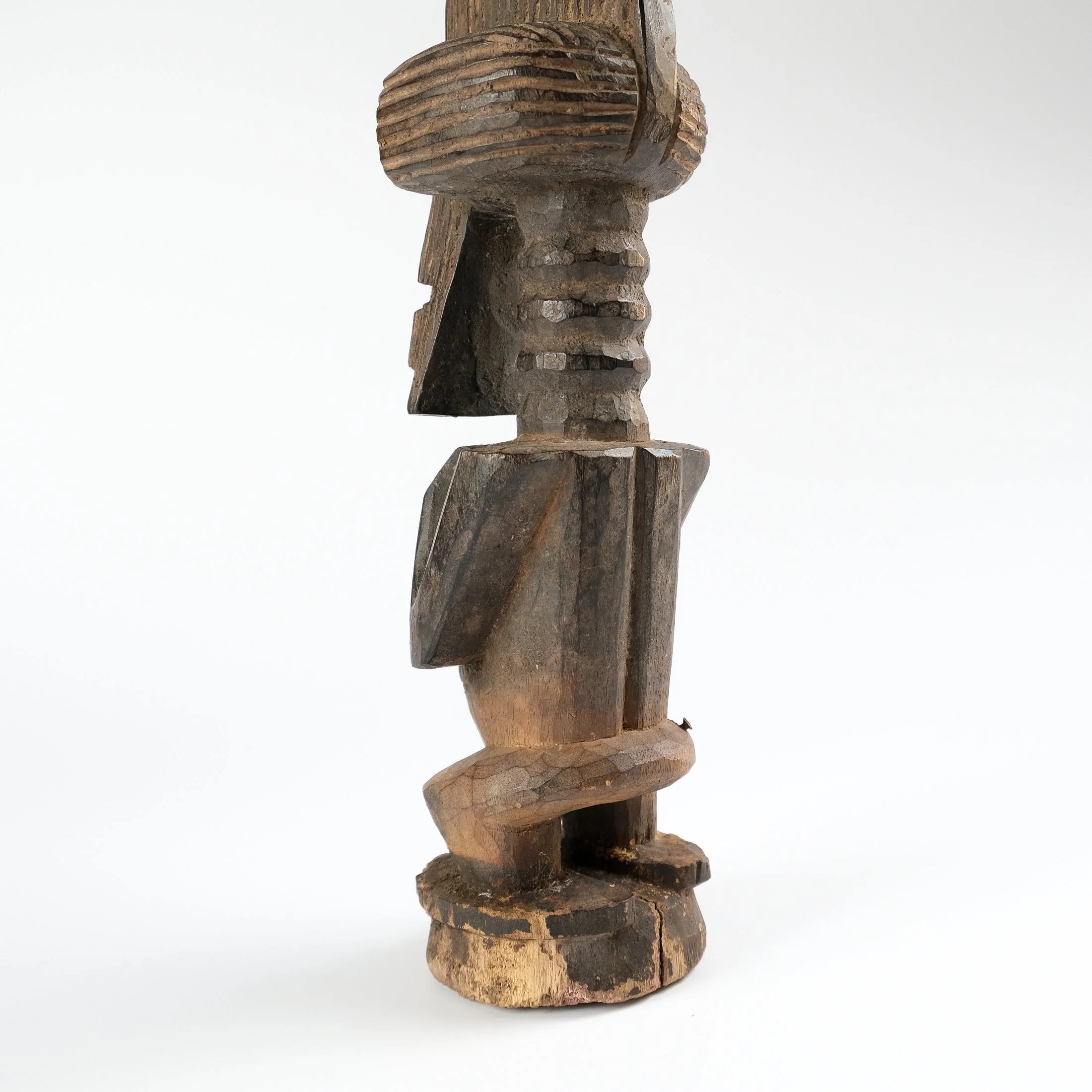
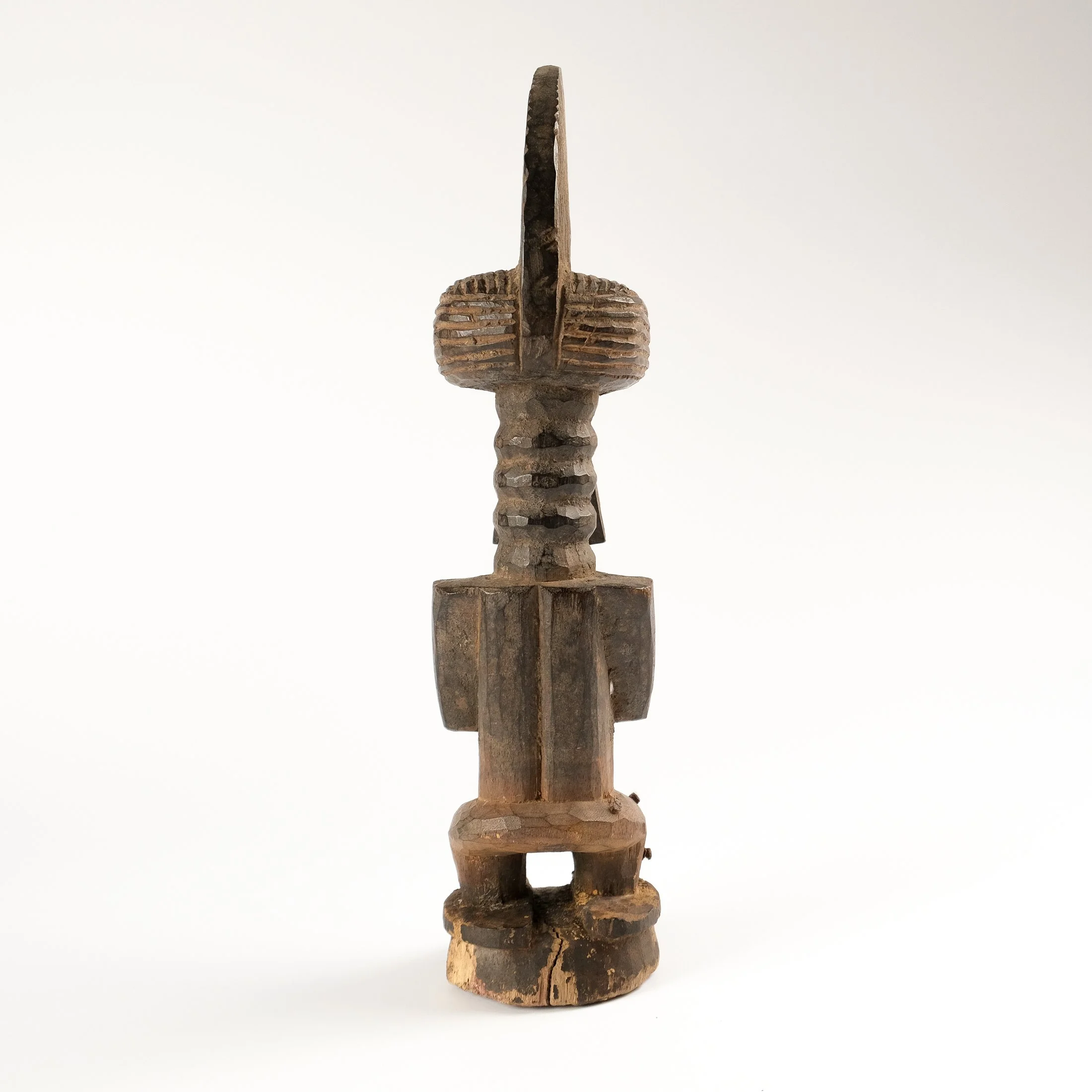
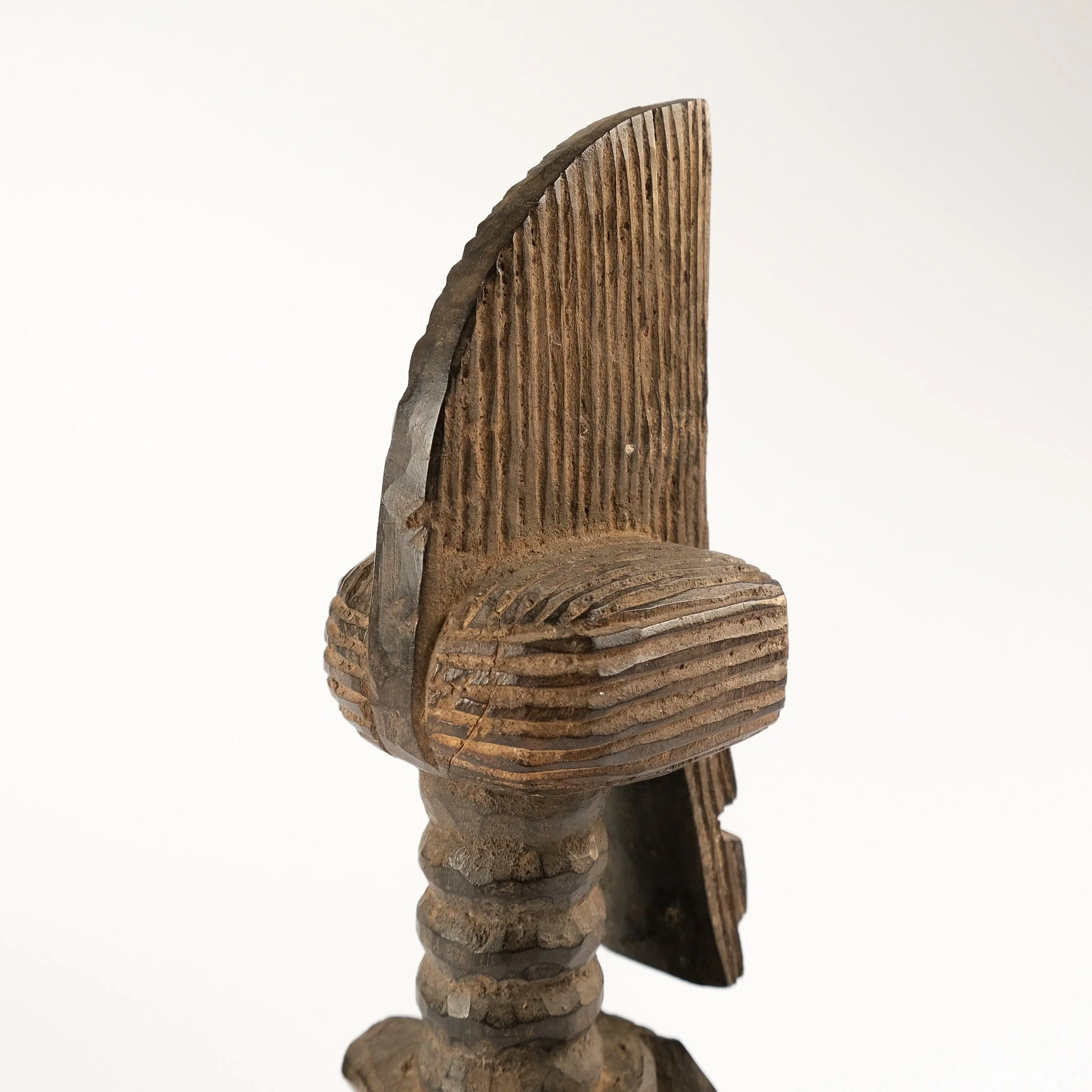
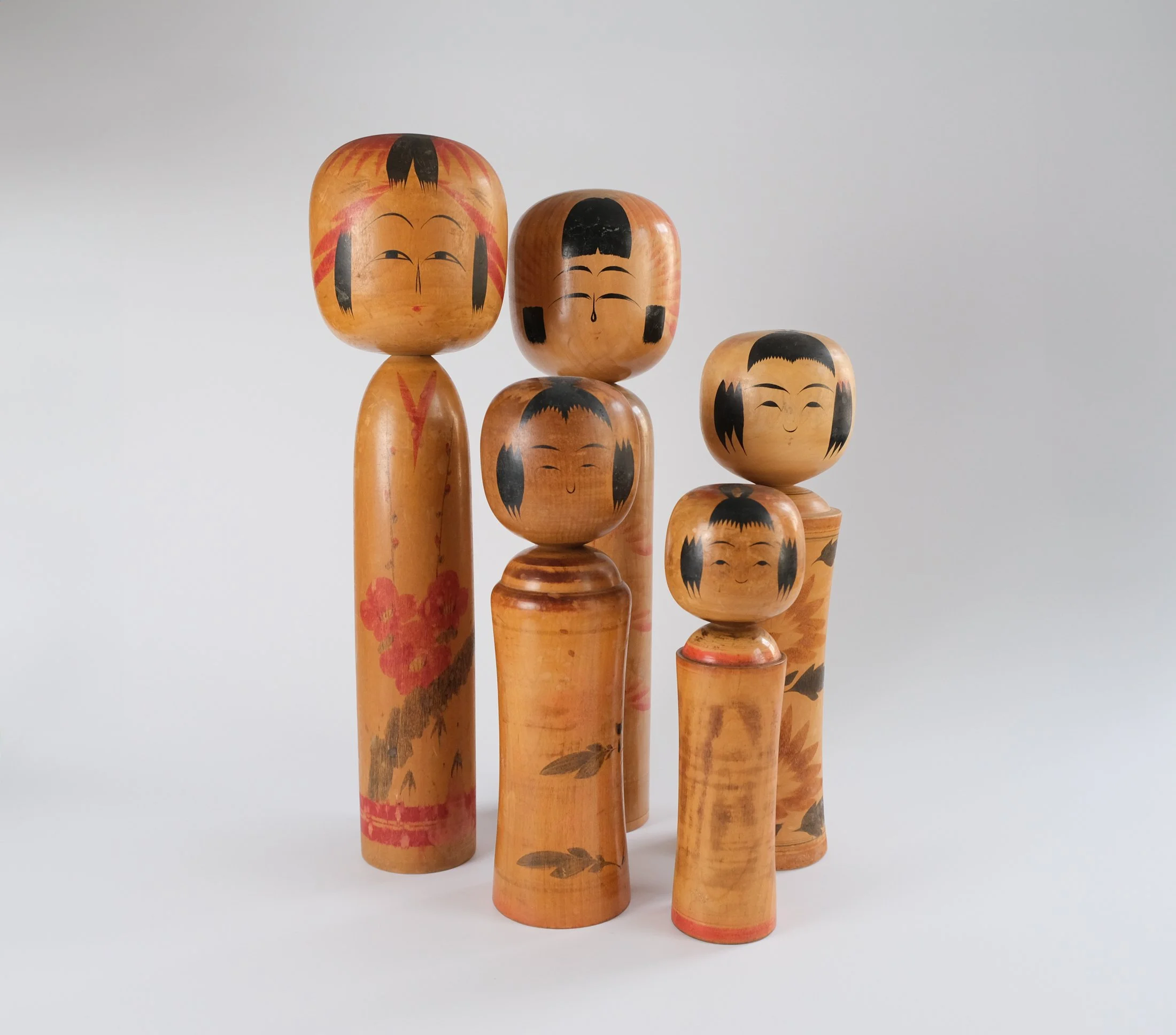
Kokeshi are wooden dolls that originate from the Tōhoku region of north-eastern Japan and which emerged as a folk craft from hot spring mountain villages at the end of the Edo period (1603-1868 CE). There are 12 styles of doll across the region, each hailing from a different hot spring (onsen) town or area, and differentiated by head and body shape, facial features, colour and decoration, of which these are of the "Naruko" and "Togatta" types.
The dolls are believed to have originally been made for children but also came to be produced as souvenirs and mementoes for special occasions/achievements such as graduations. Each area in the Tōhoku region had its own local name to describe the wooden dolls they made. However, this had the potential to confuse collectors, so, in the 1940s, makers agreed to use one standard name: ‘kokeshi’.
As a general rule, the grouping of Kokeshi in odd numbers, such as three, five, seven and nine is considered as traditional.
More Info.
-
Free shipping on all UK purchases. Local pick-up from London N7 is also possible and is by appointment only.
-
If you are outside the UK, please use the contact form below to get in touch with us for a shipping quote before purchasing.
Say Hello.
Looking for an international shipping quote (outside the UK)? Looking for more information about something you’ve seen? Or have something interesting you think we should see? We’d love to hear from you.