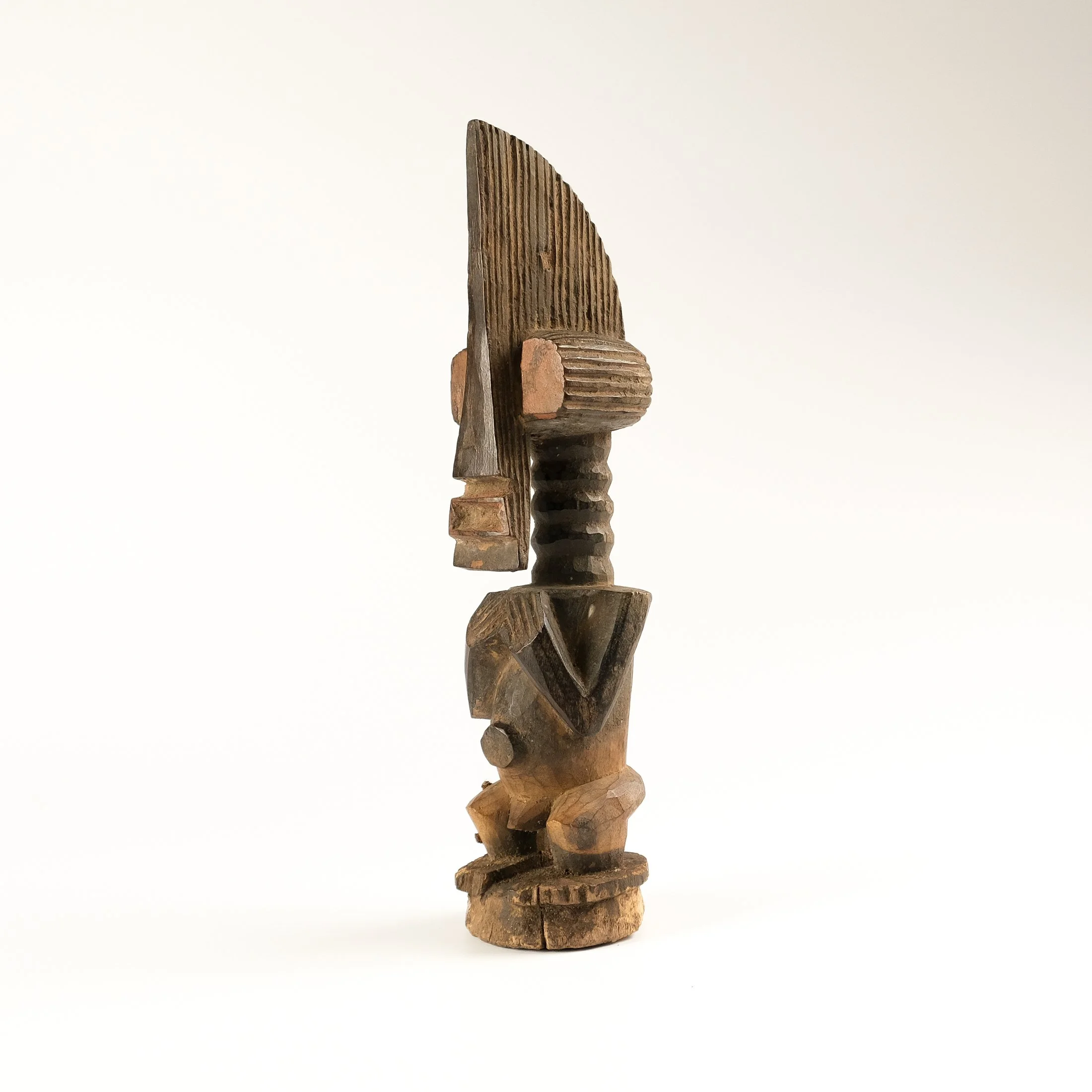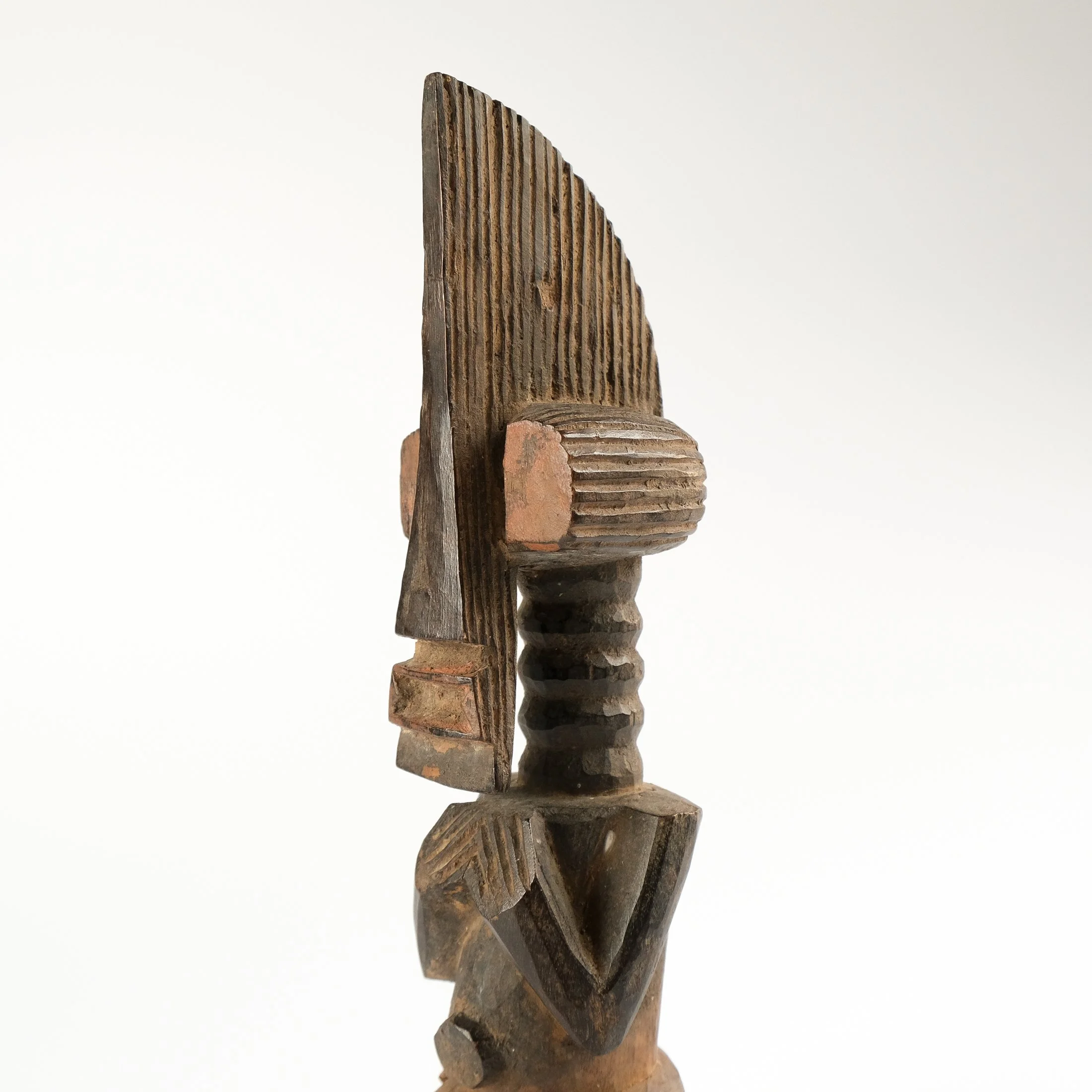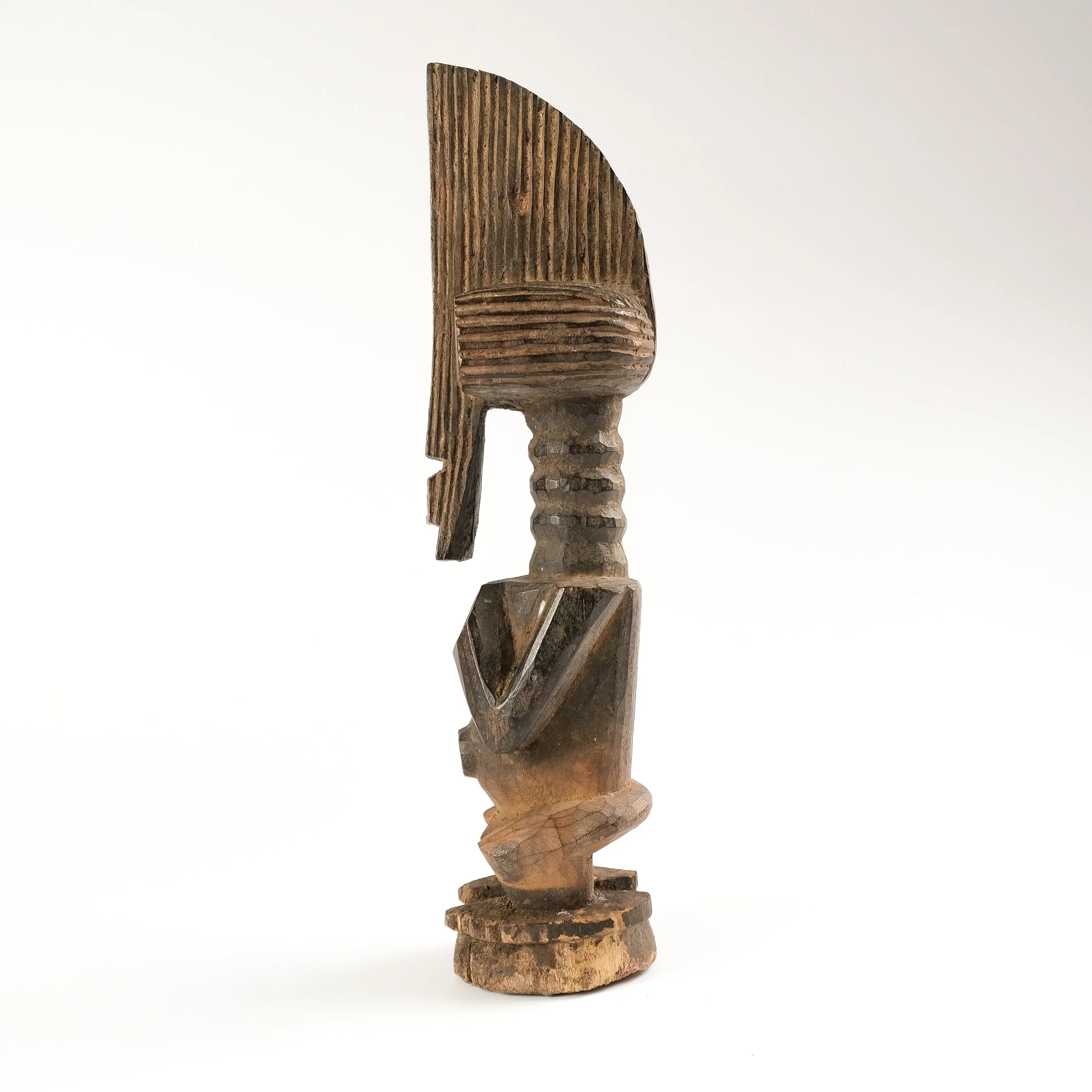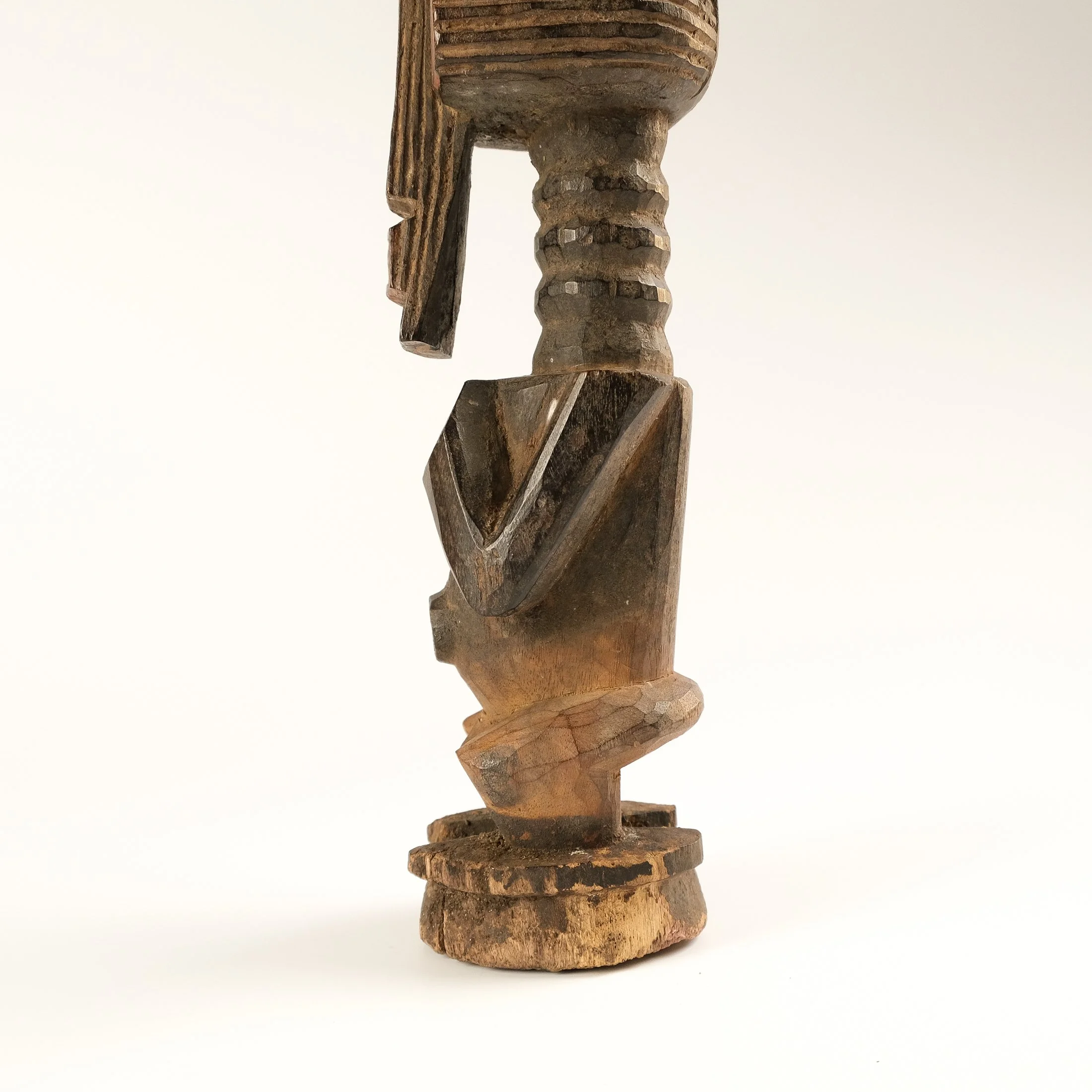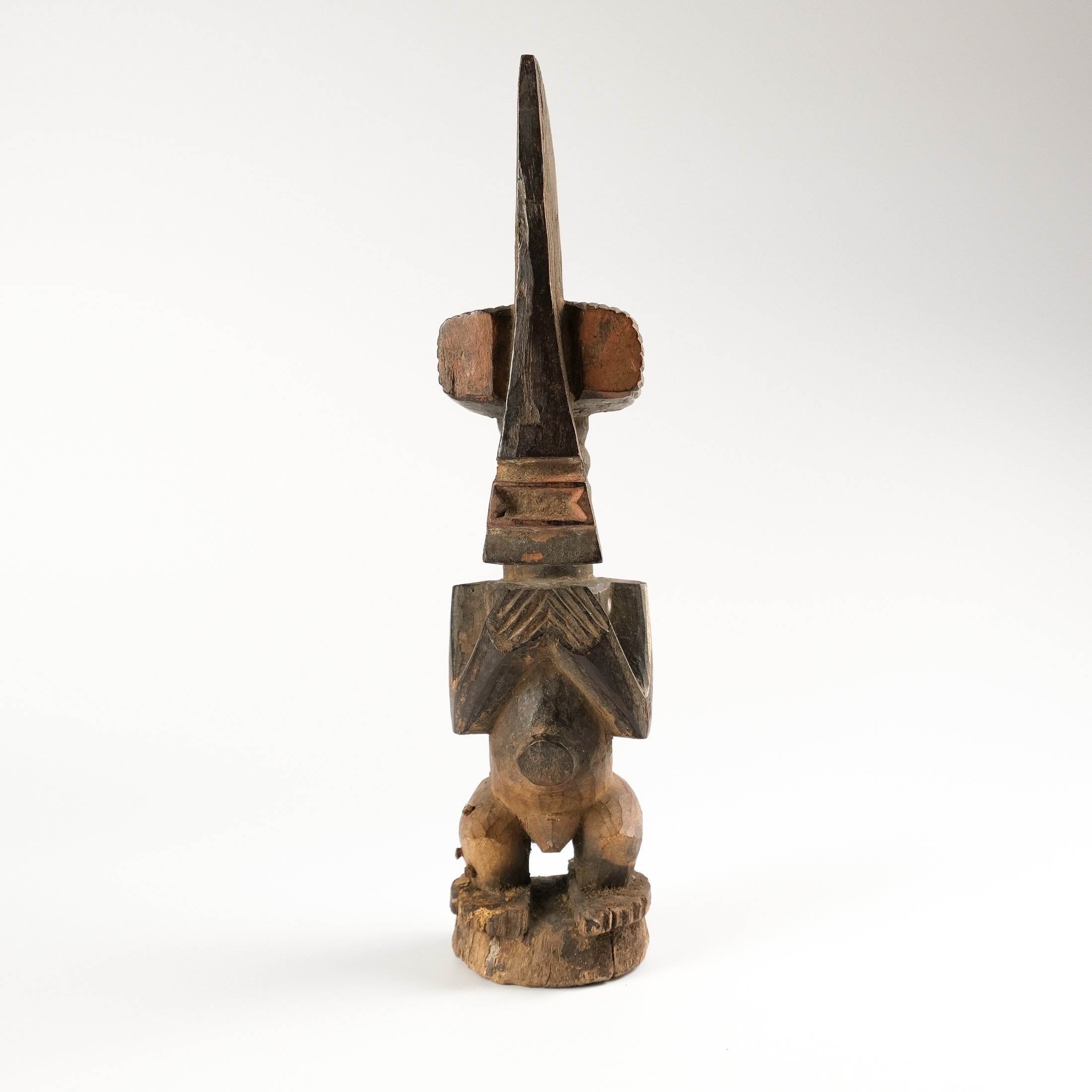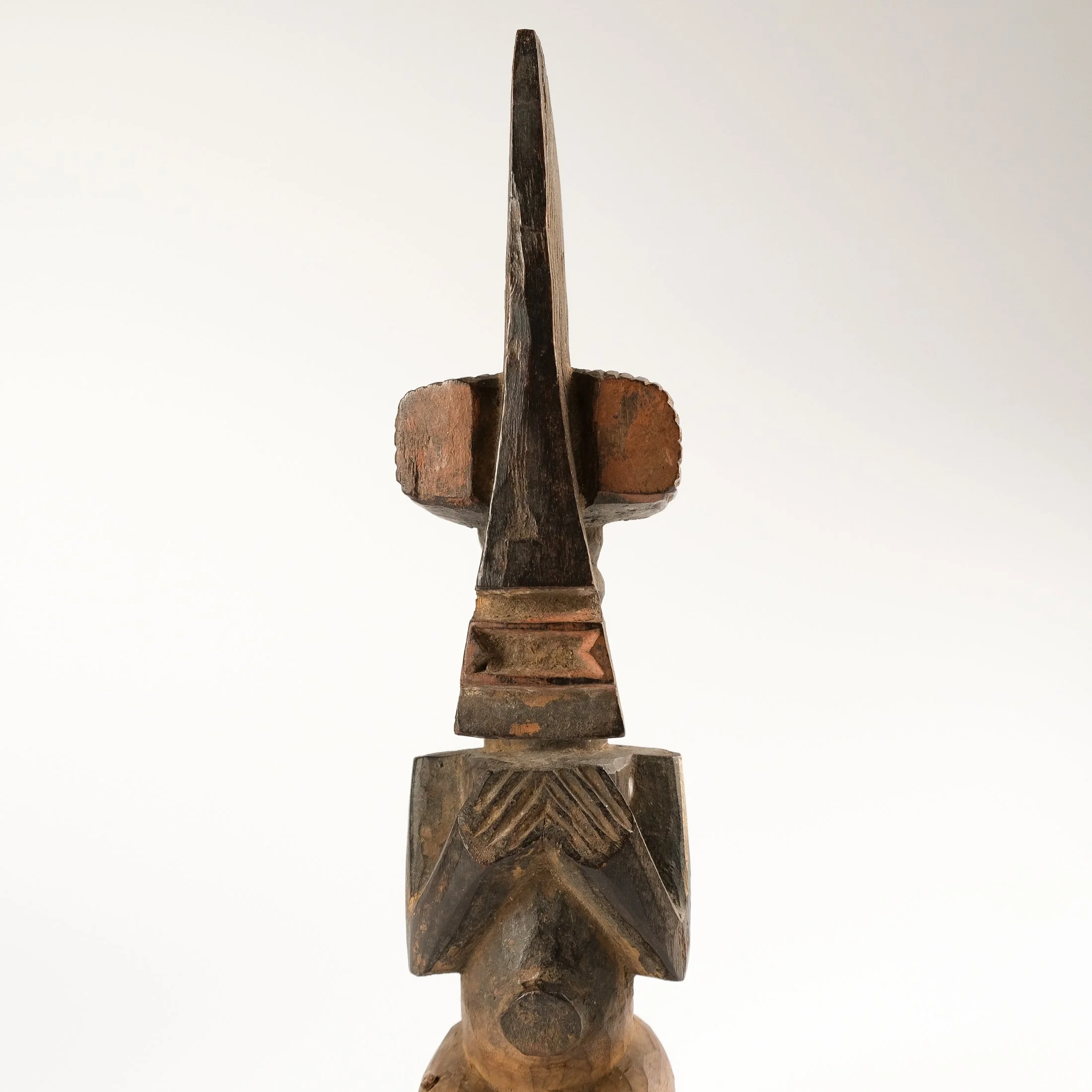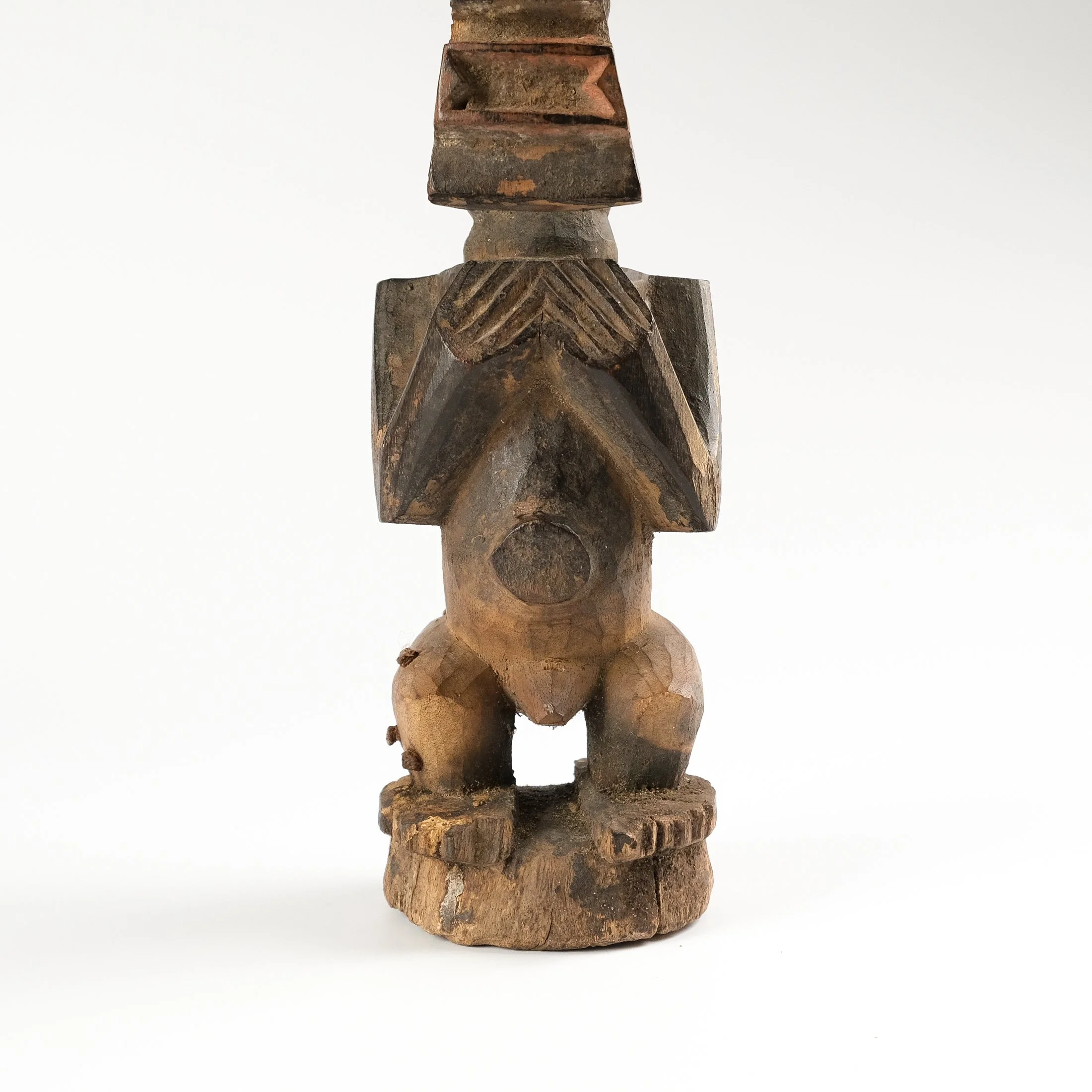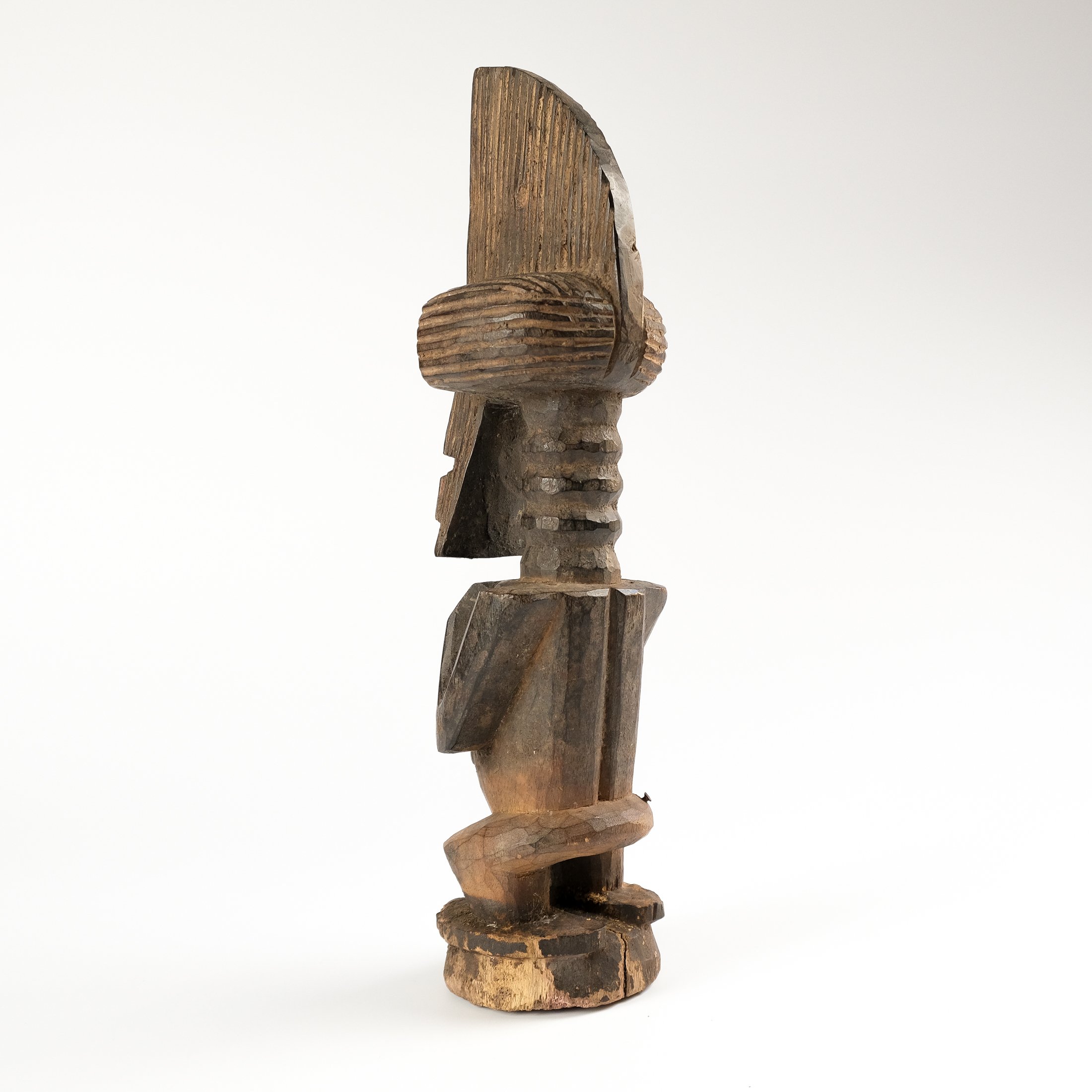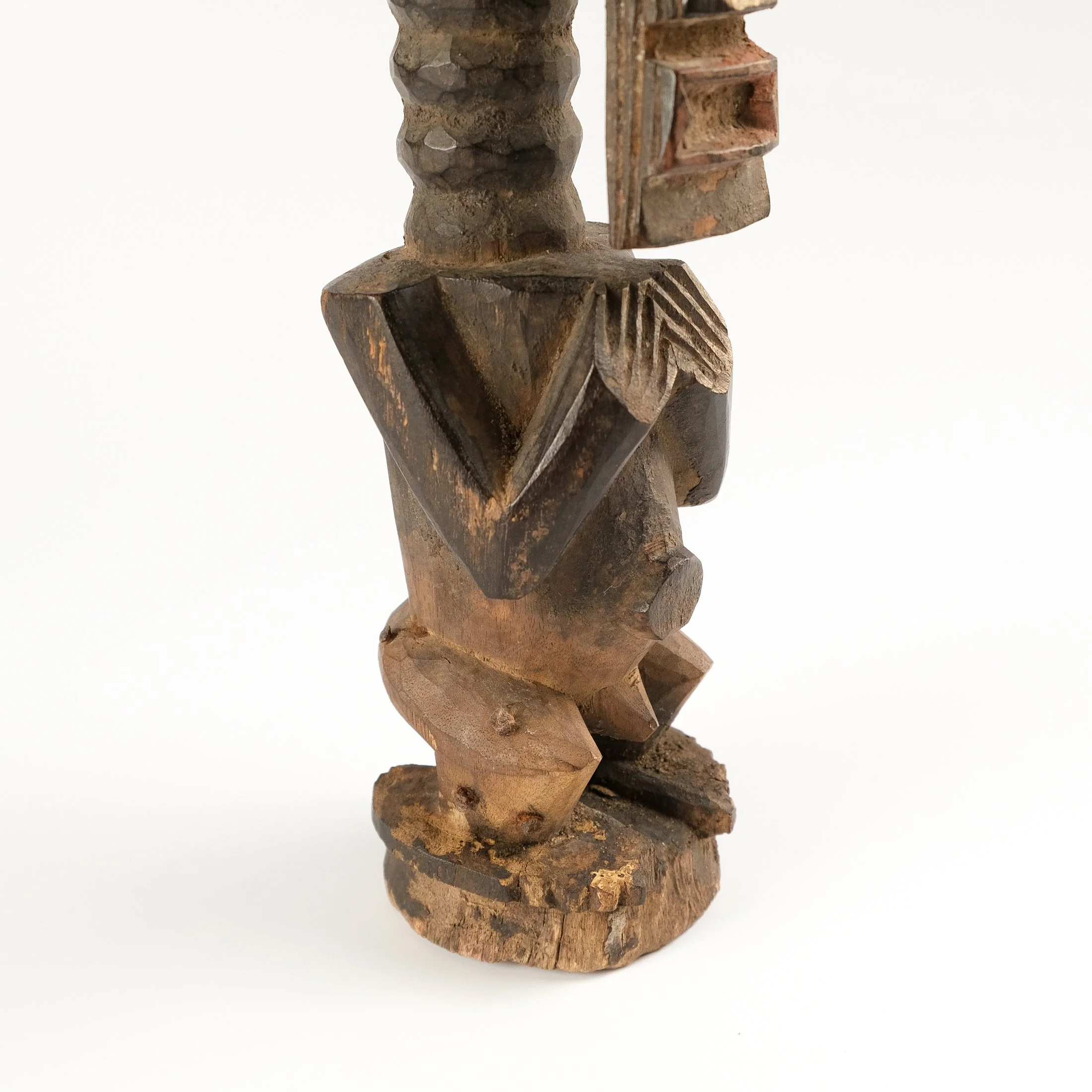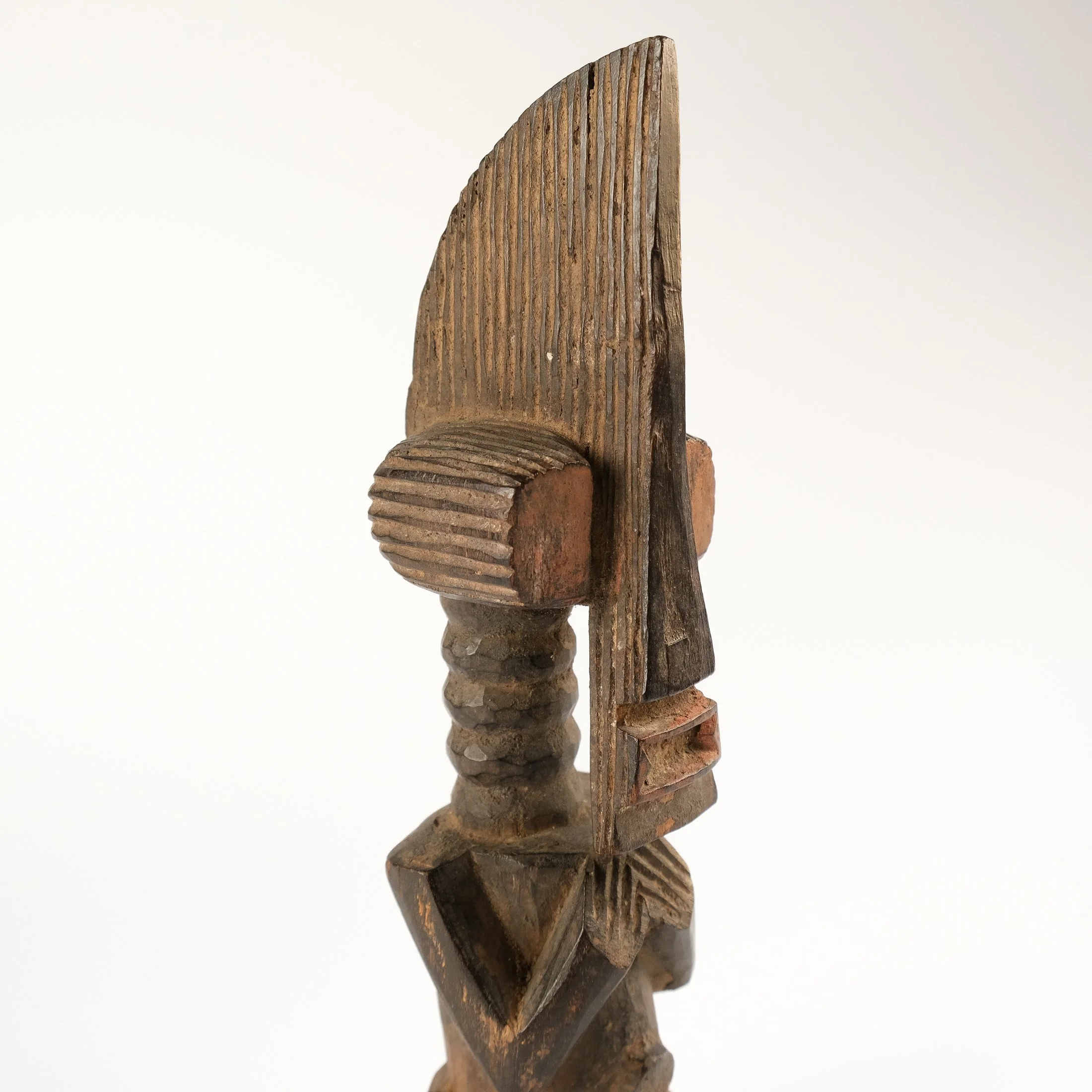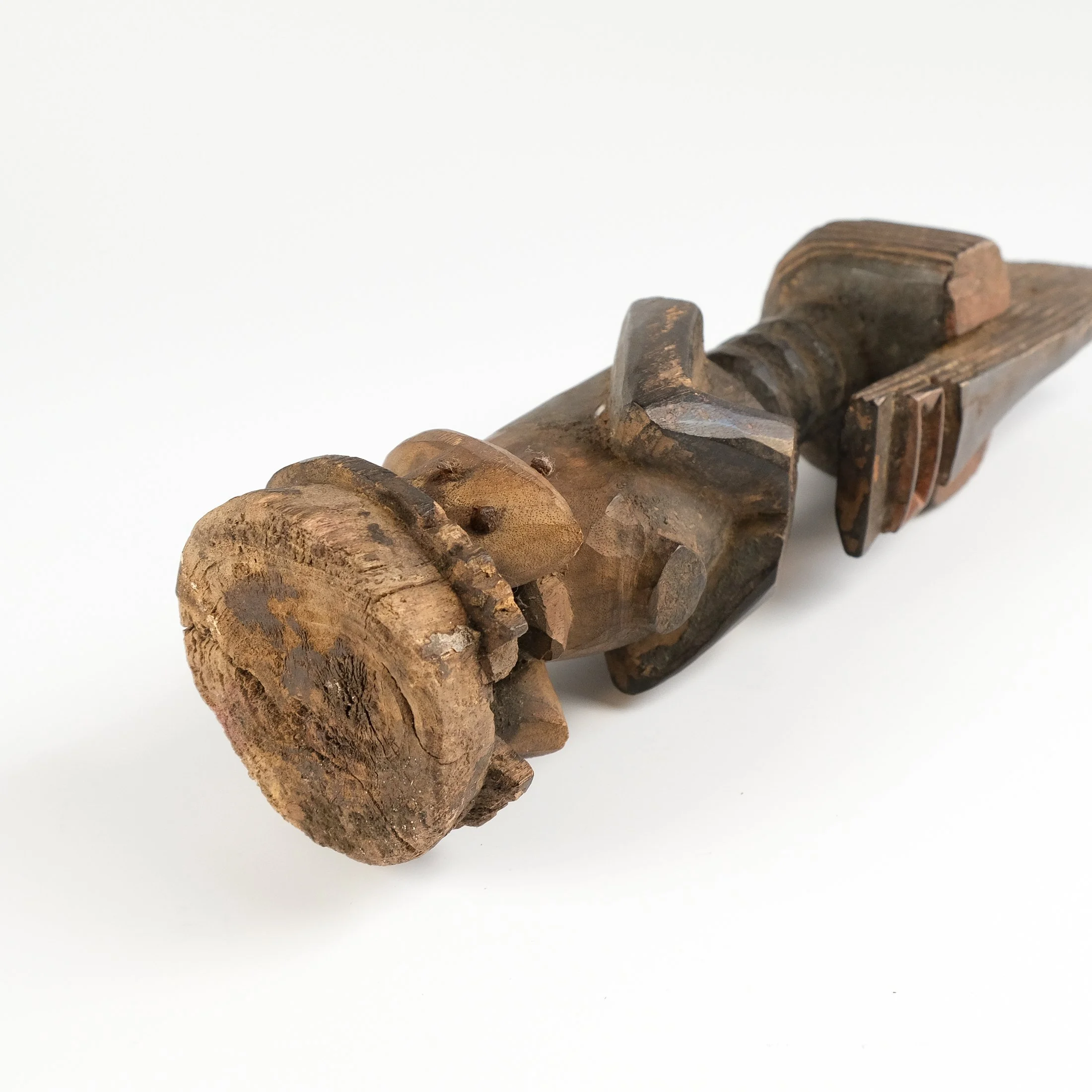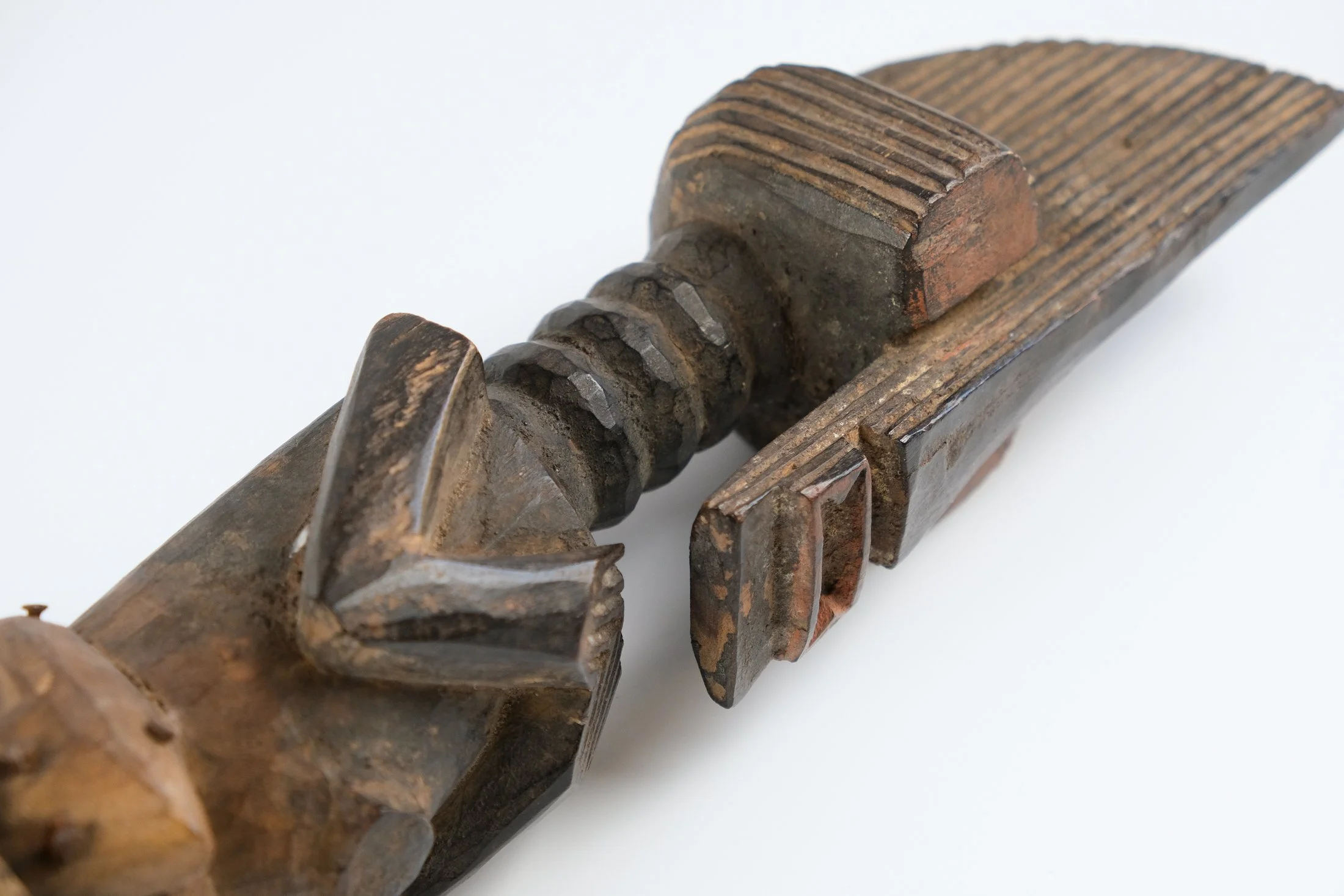

 Image 1 of 12
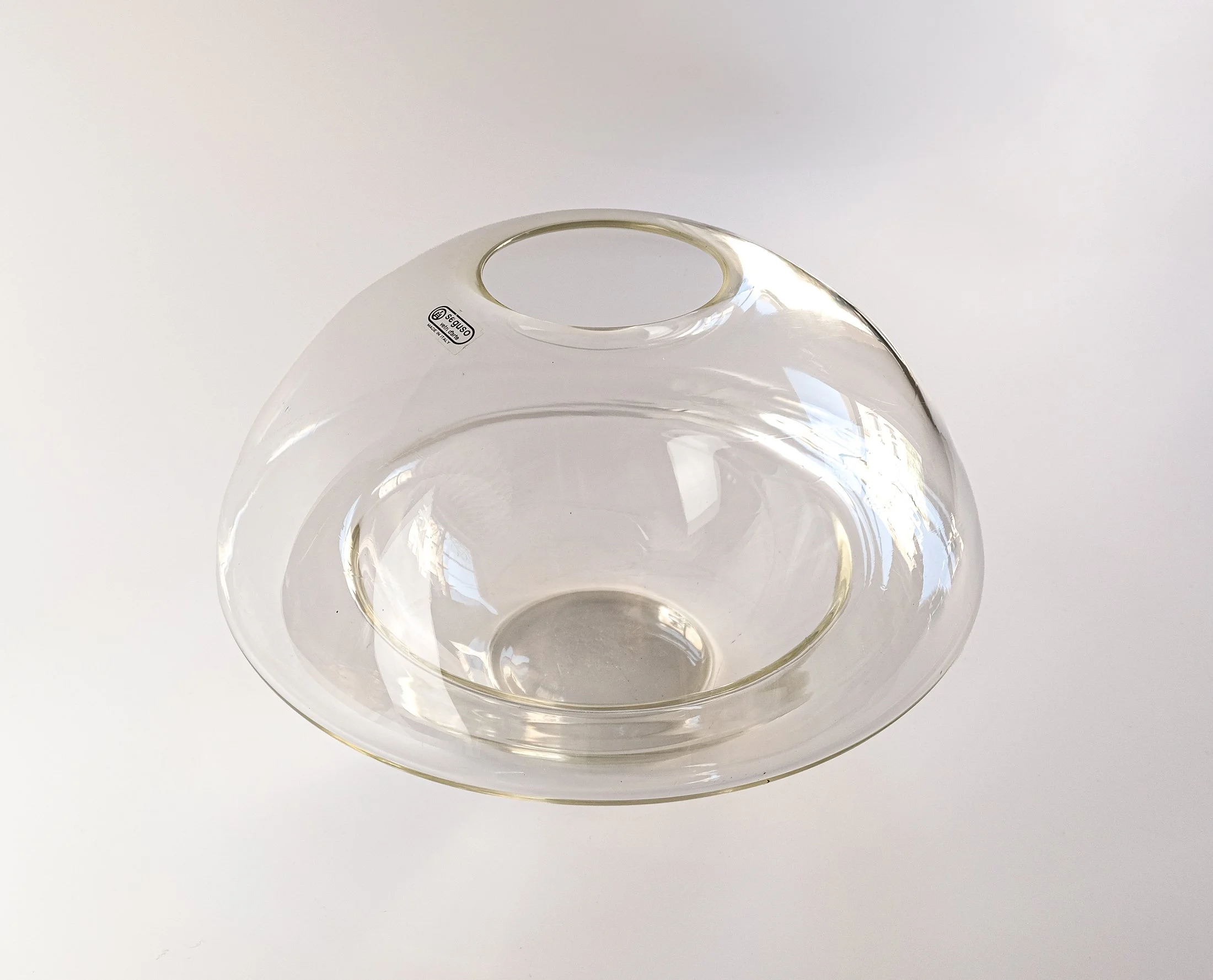 Image 2 of 12
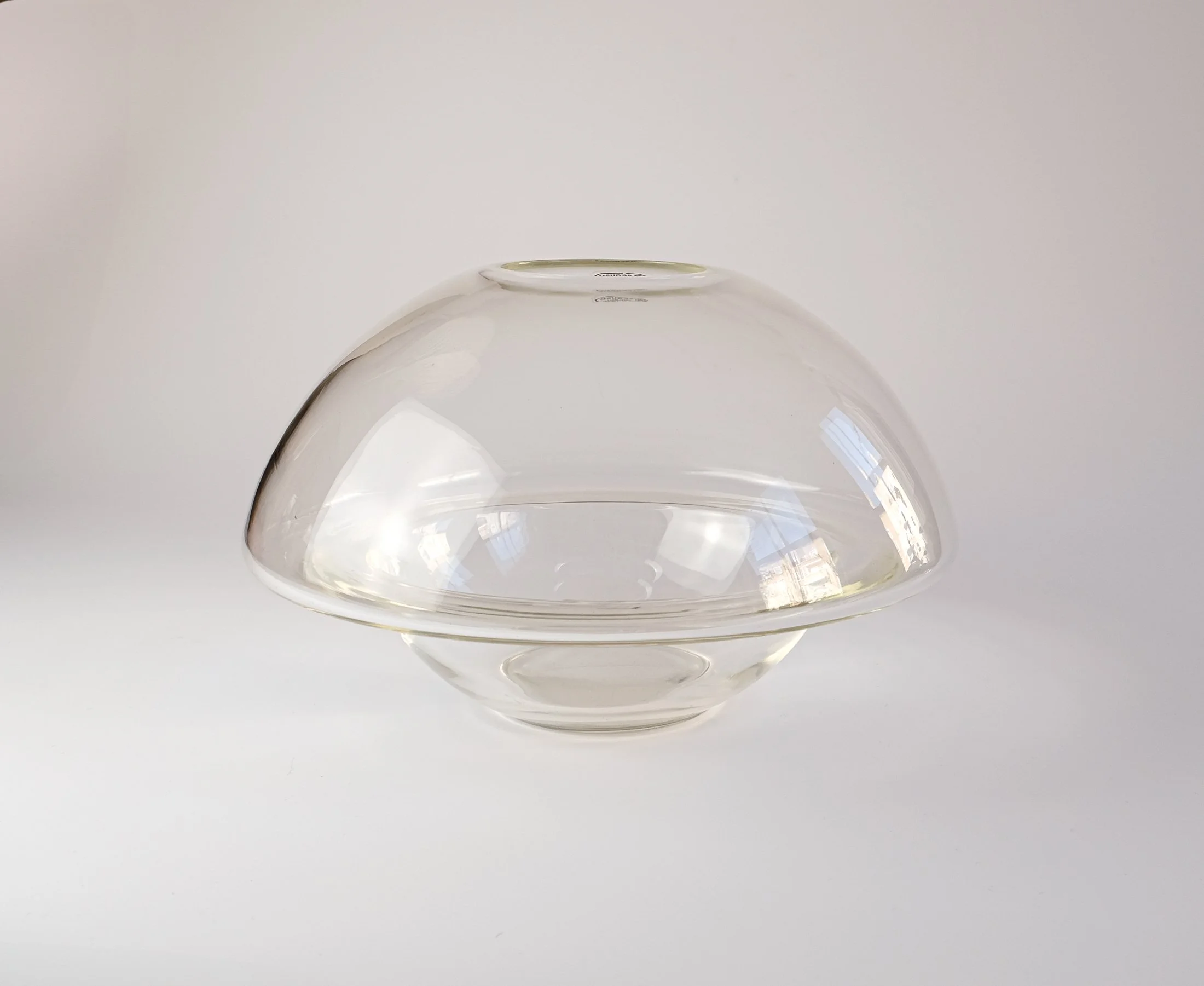 Image 3 of 12
 Image 4 of 12
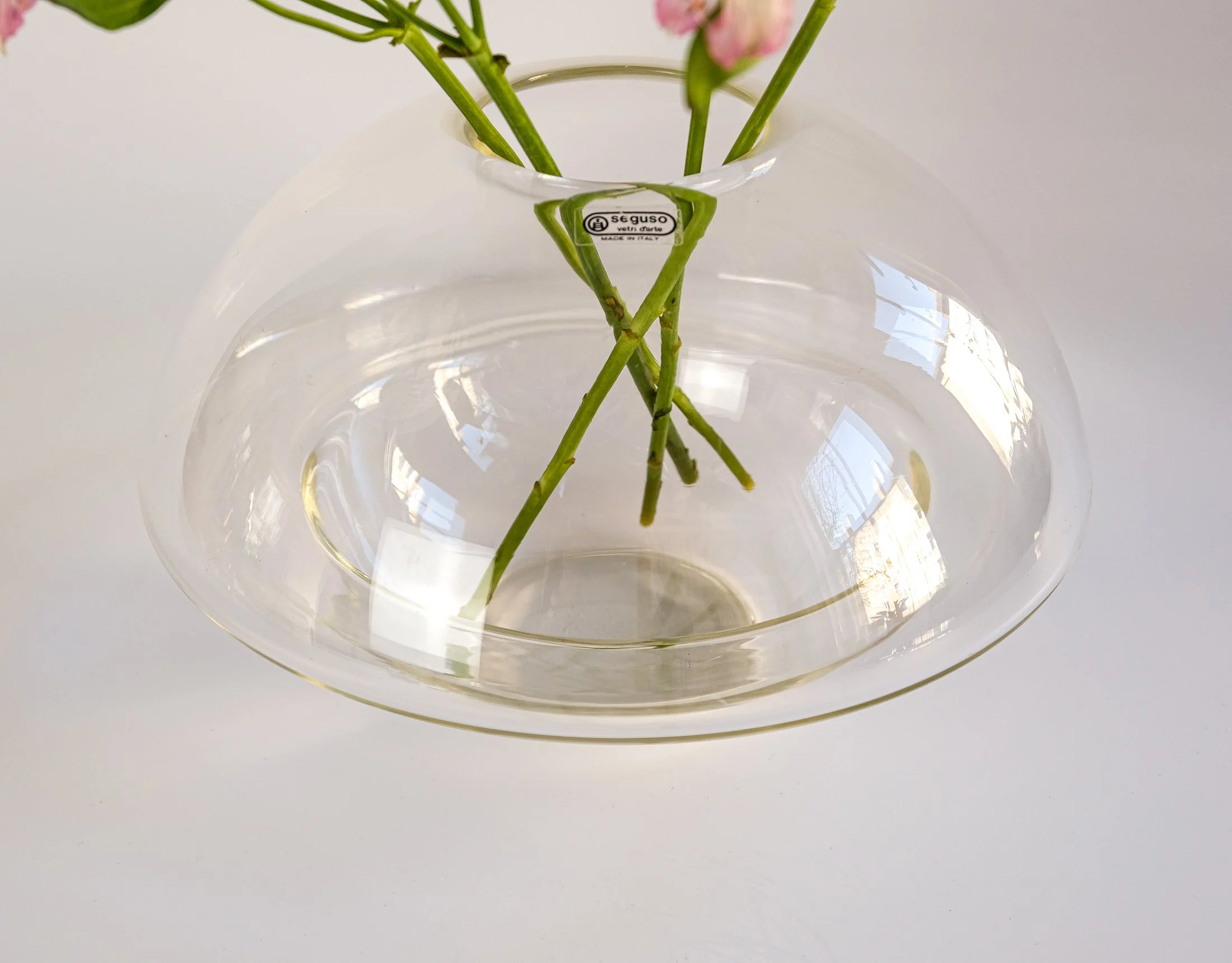 Image 5 of 12
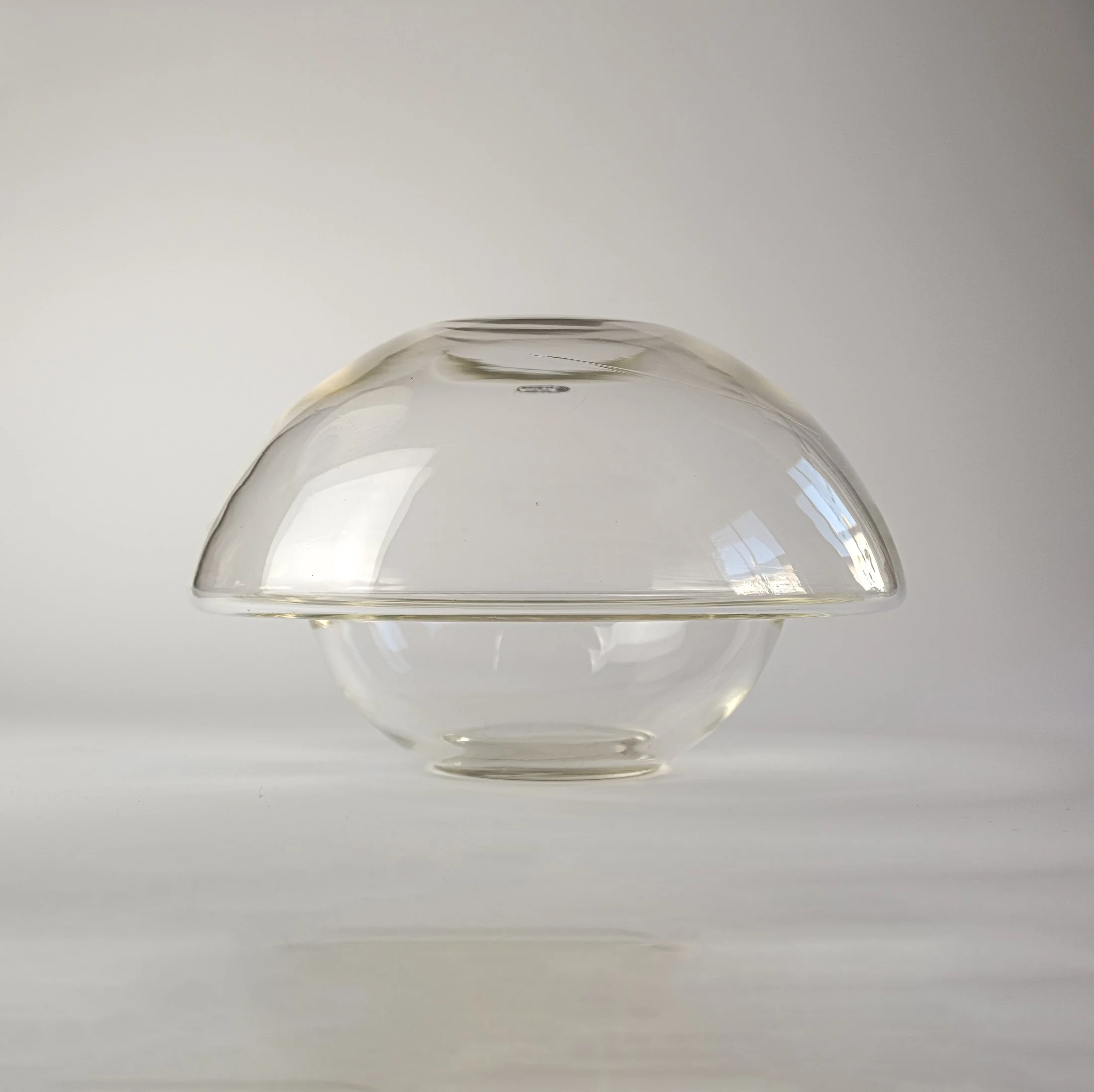 Image 6 of 12
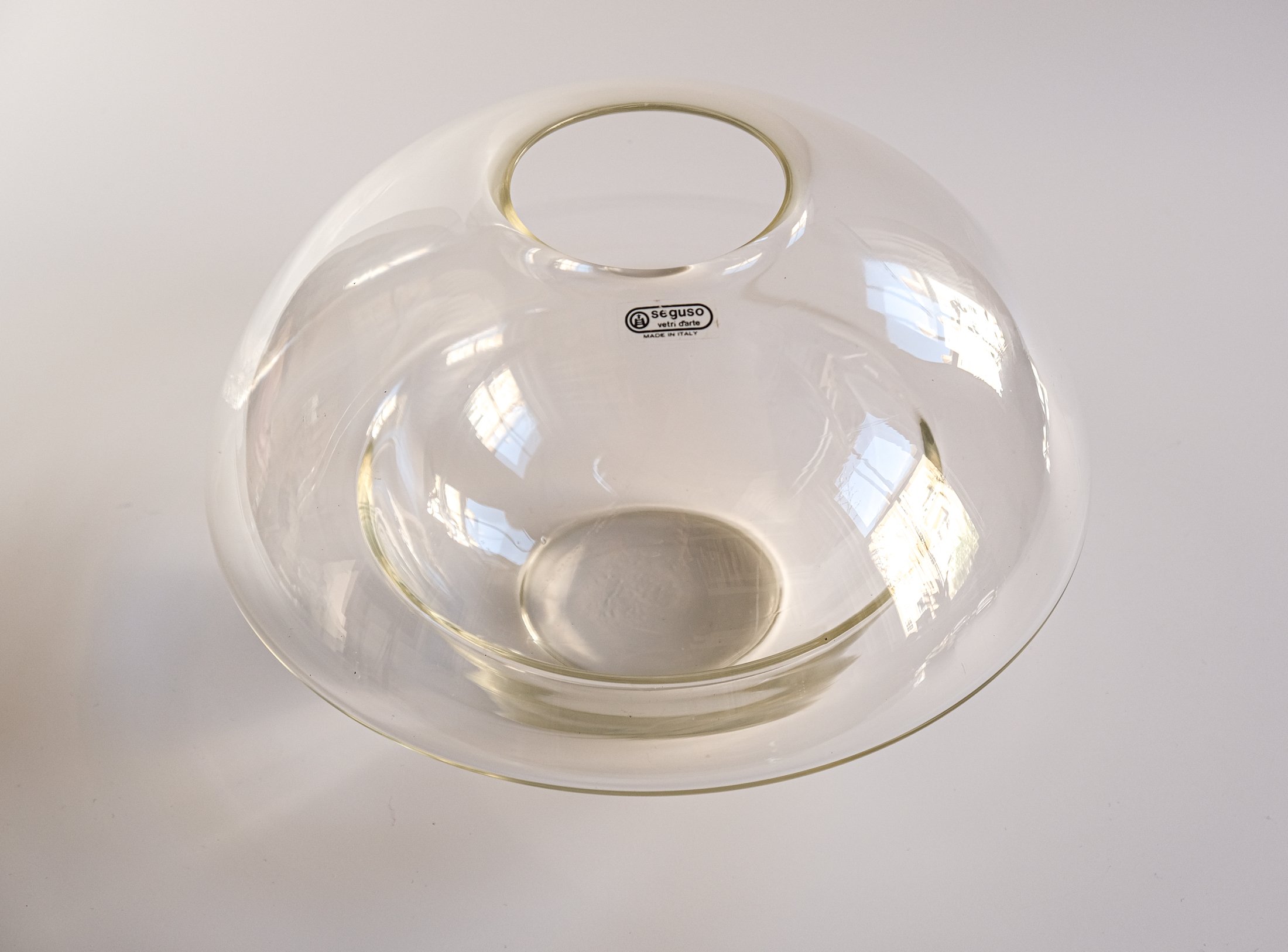 Image 7 of 12
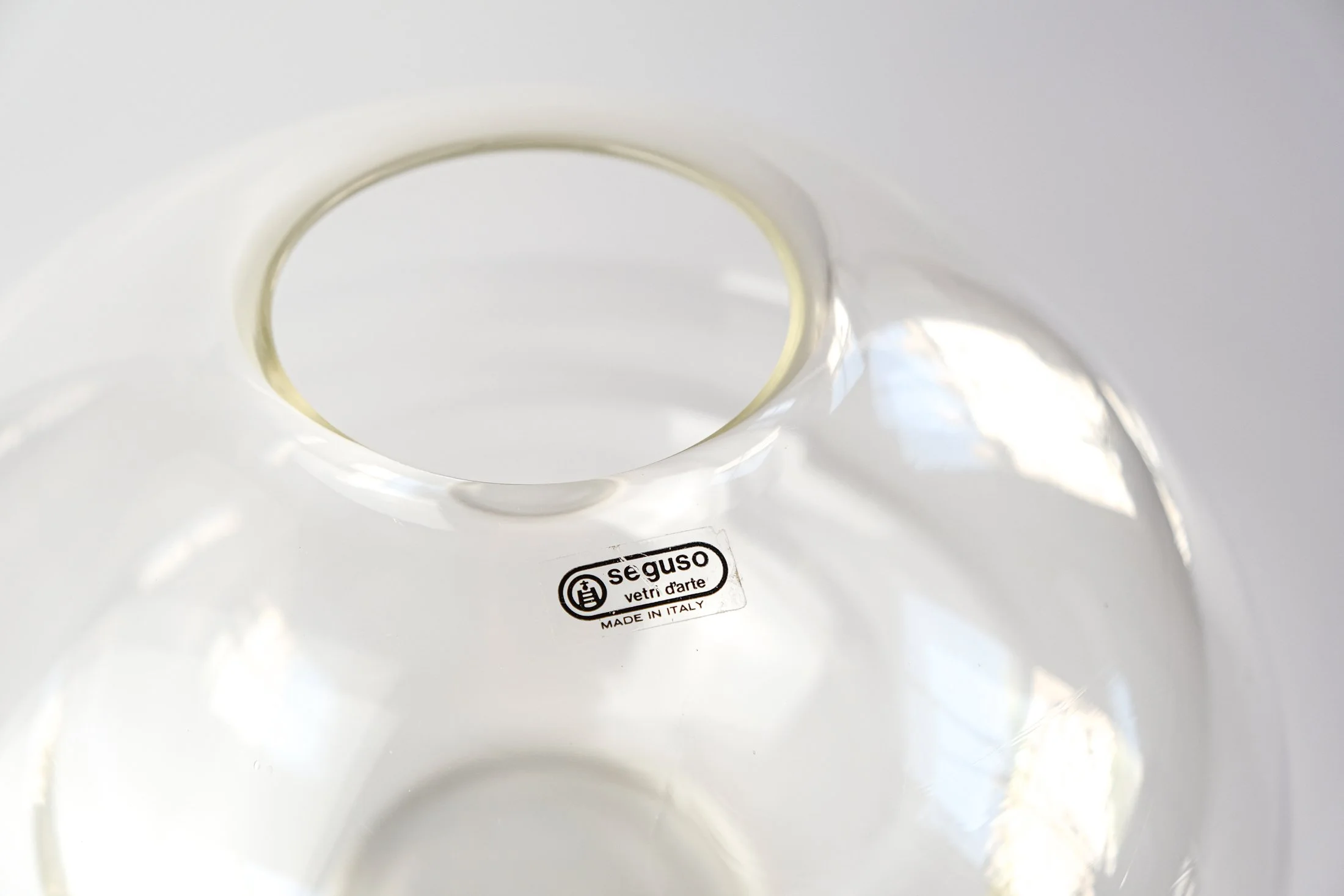 Image 8 of 12
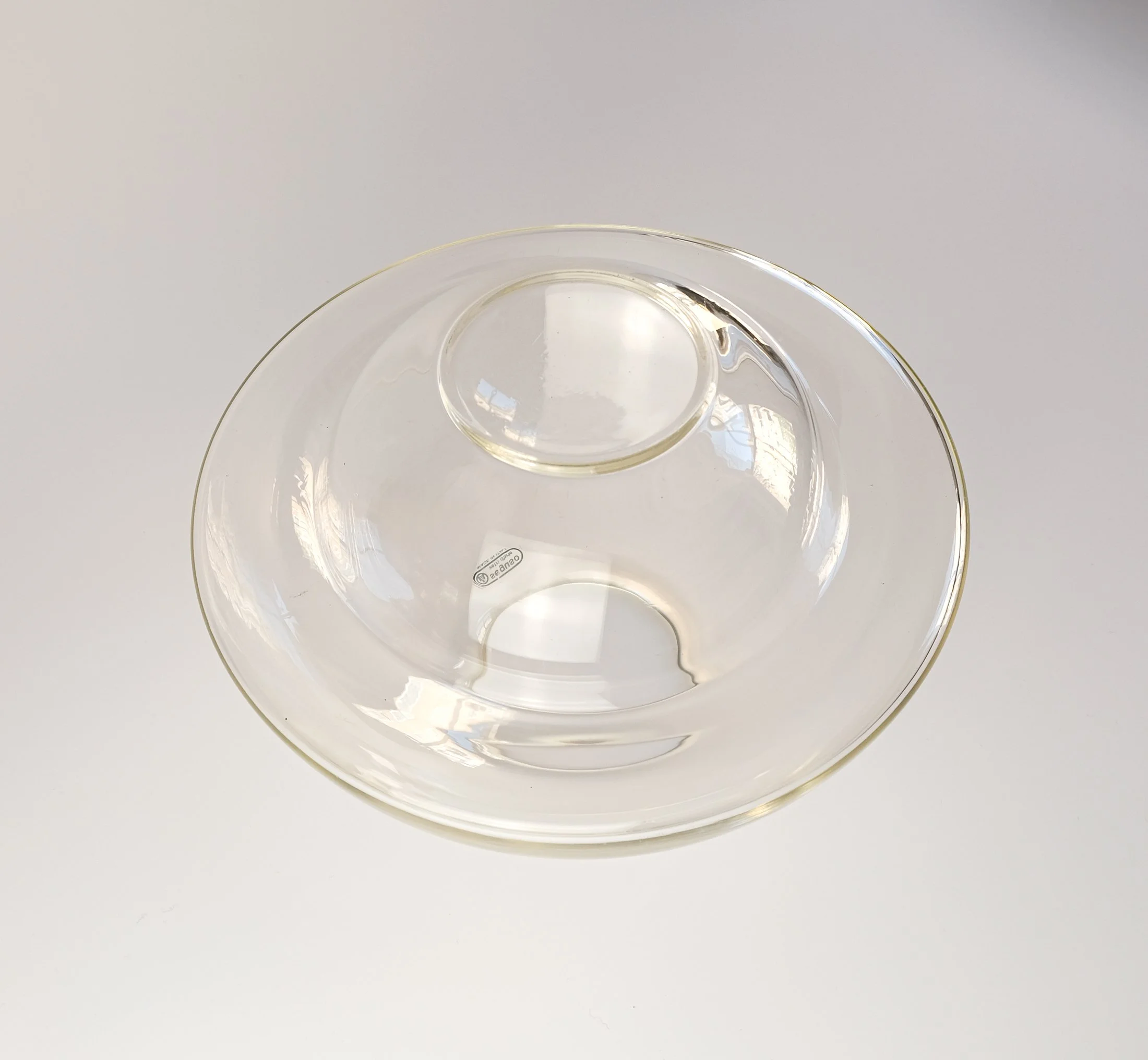 Image 9 of 12
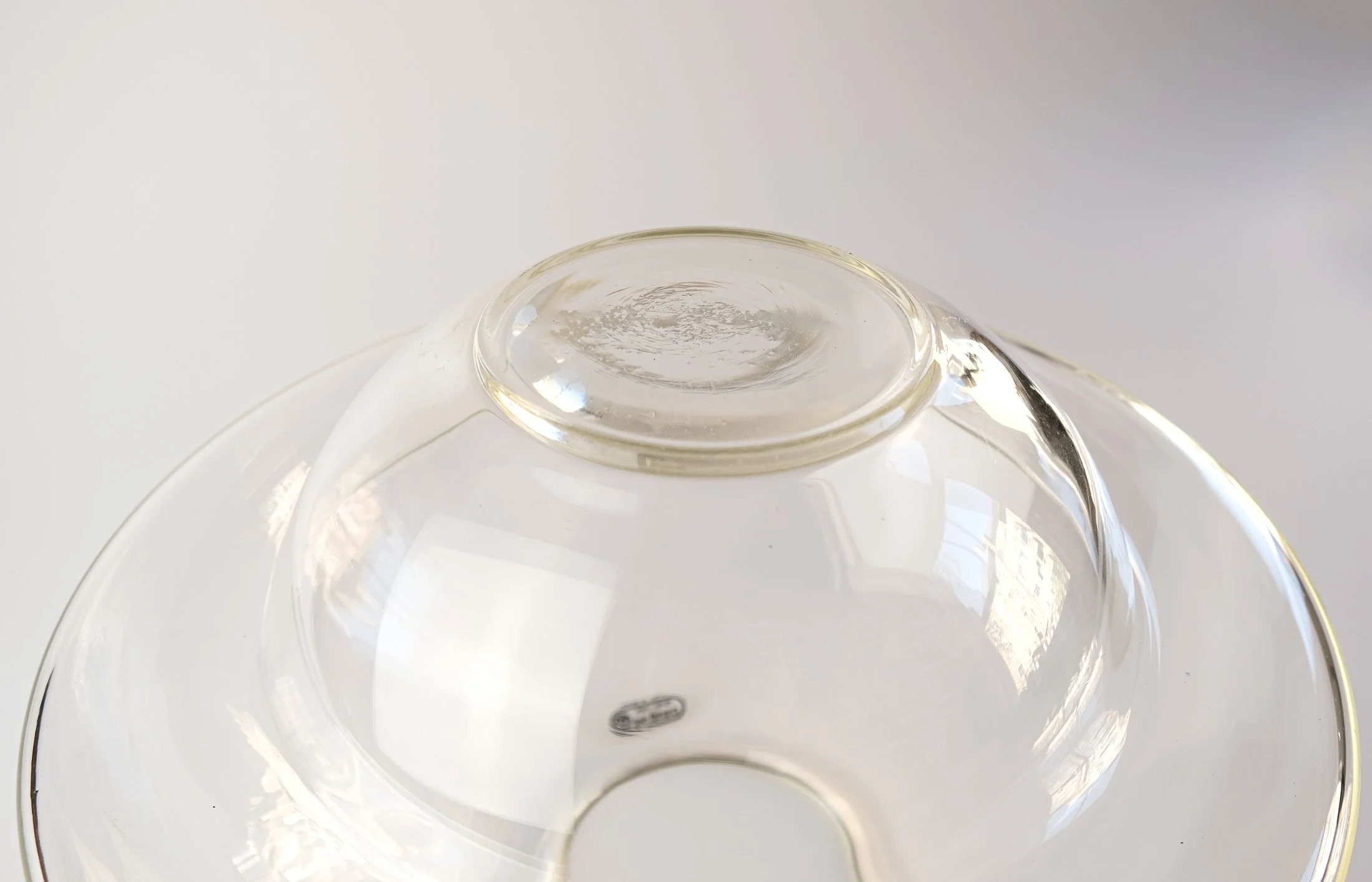 Image 10 of 12
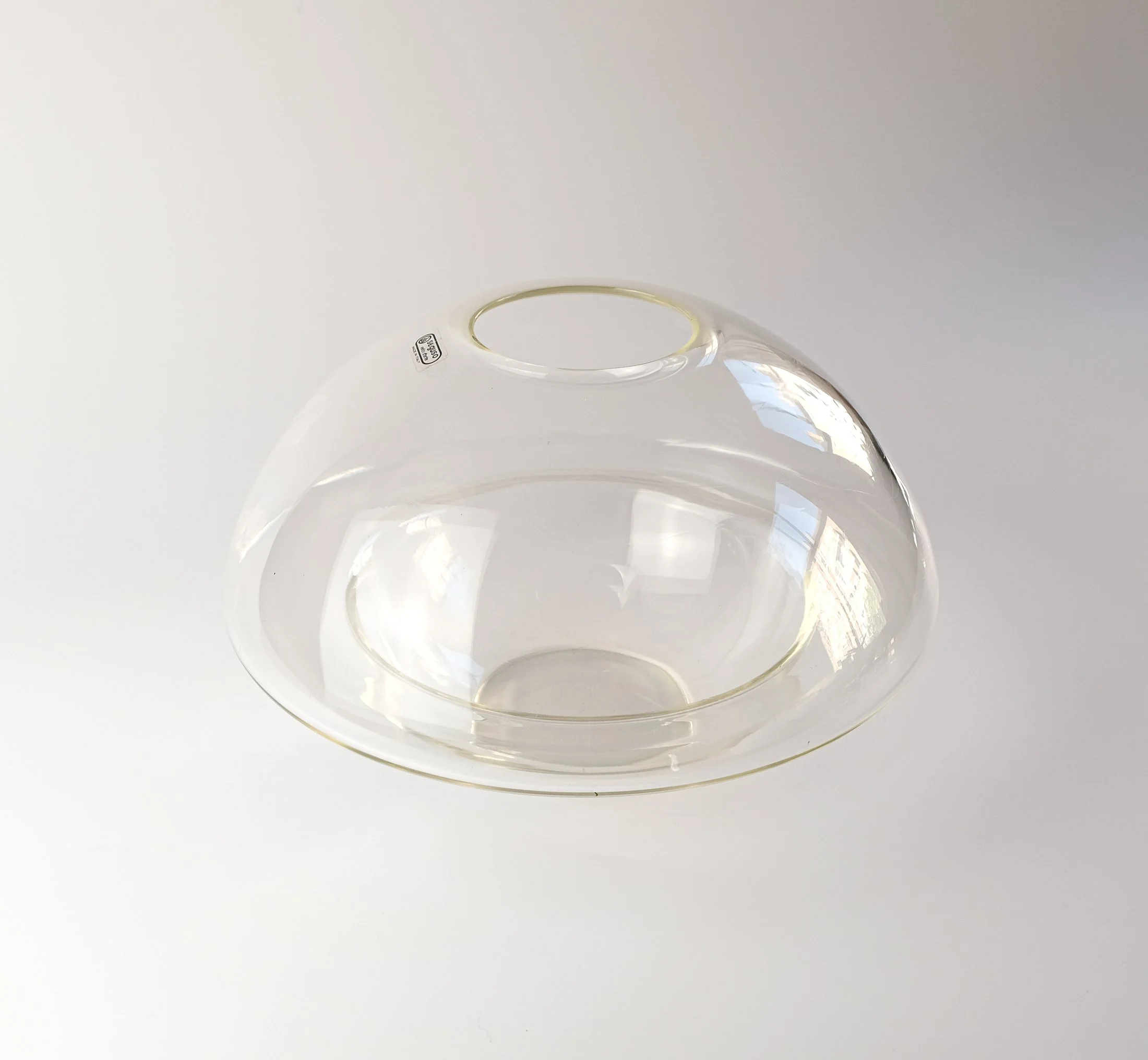 Image 11 of 12
 Image 12 of 12
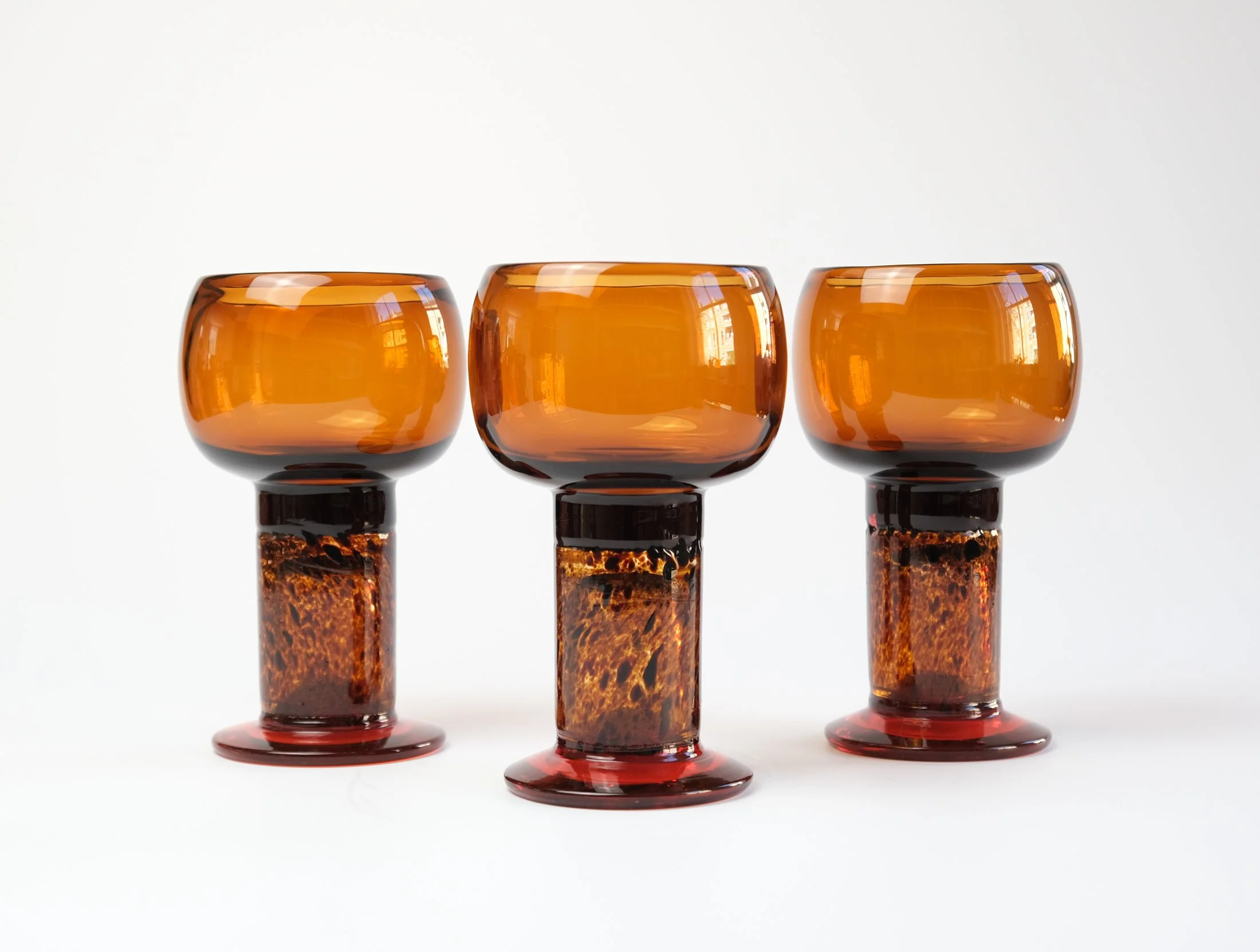
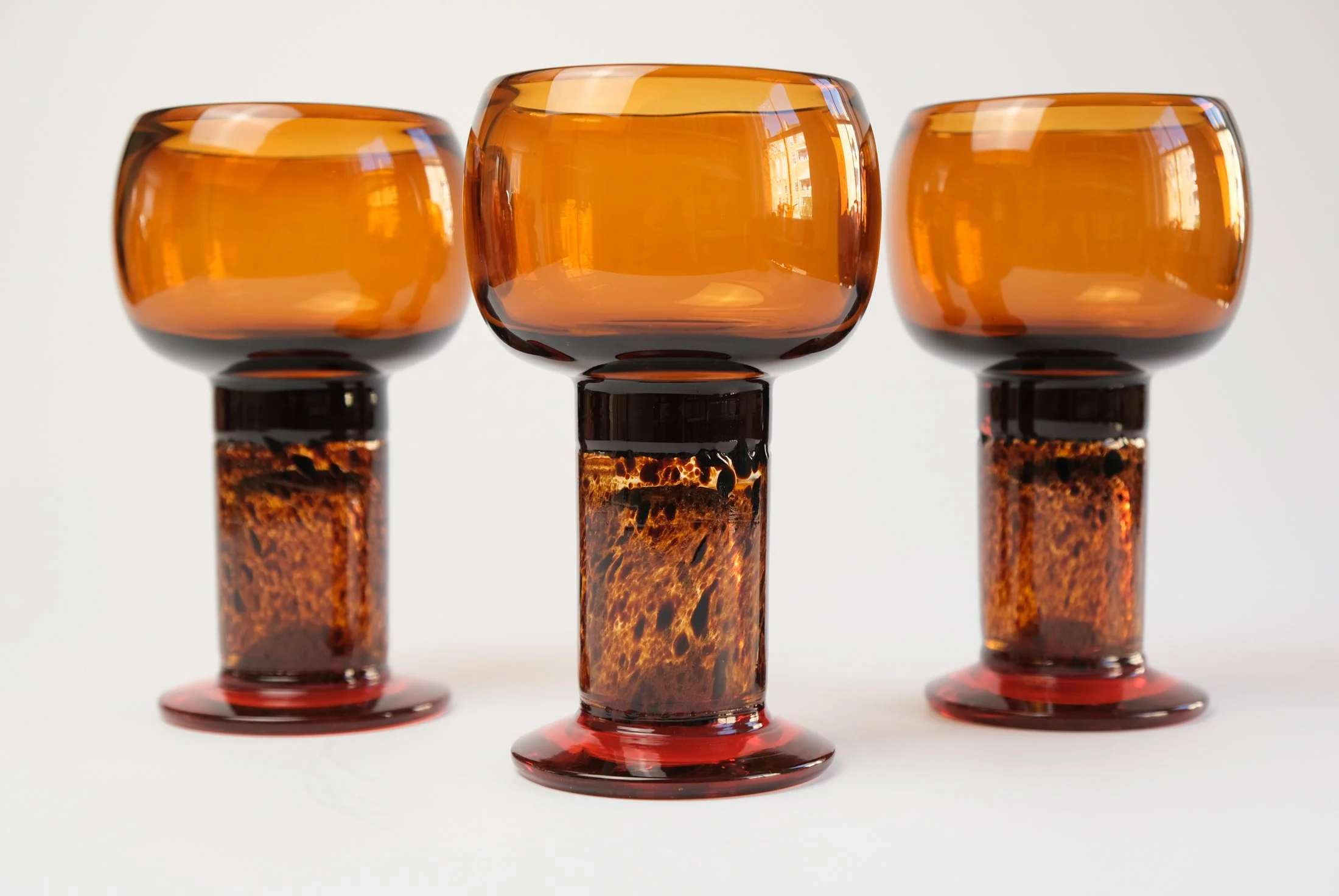
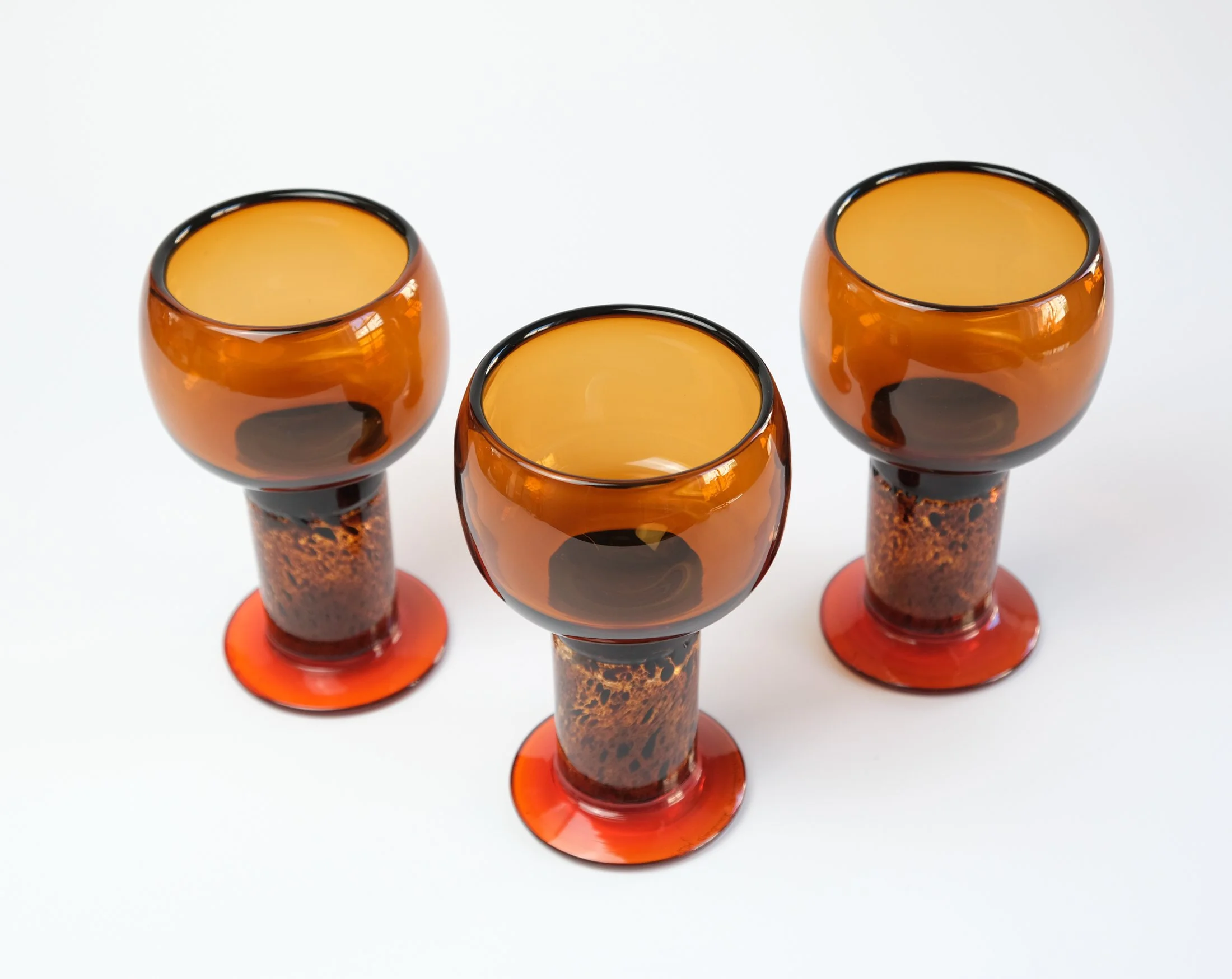
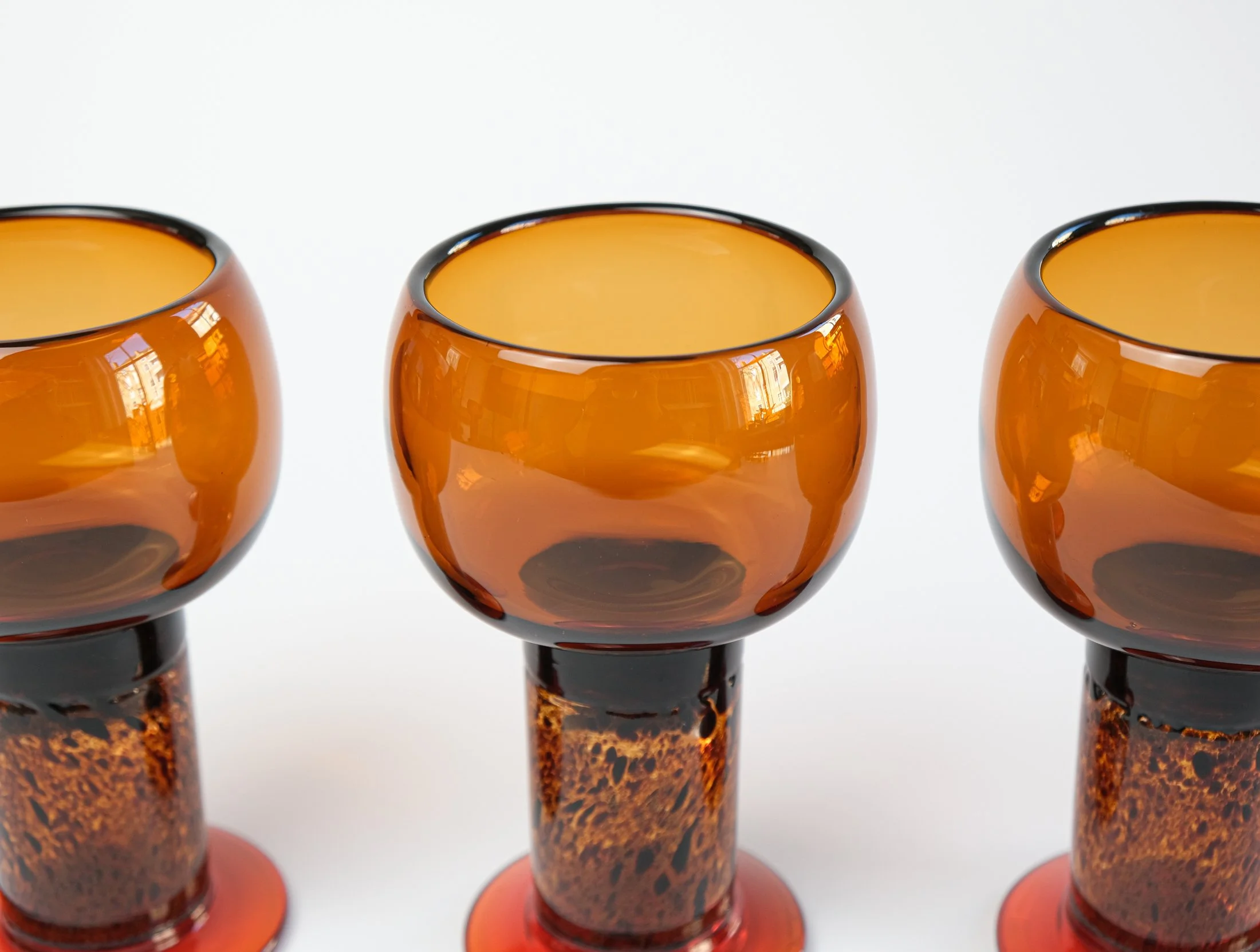
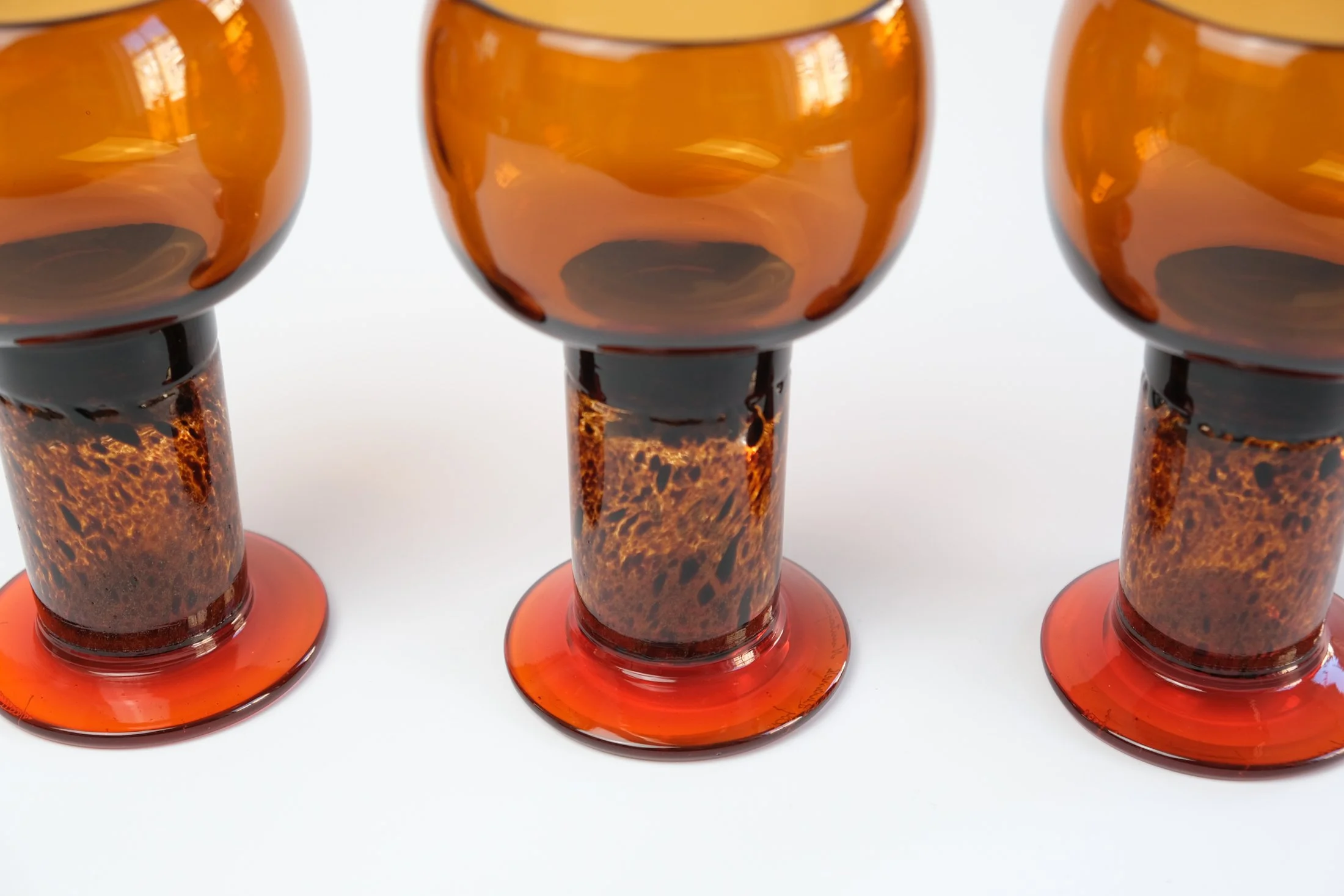
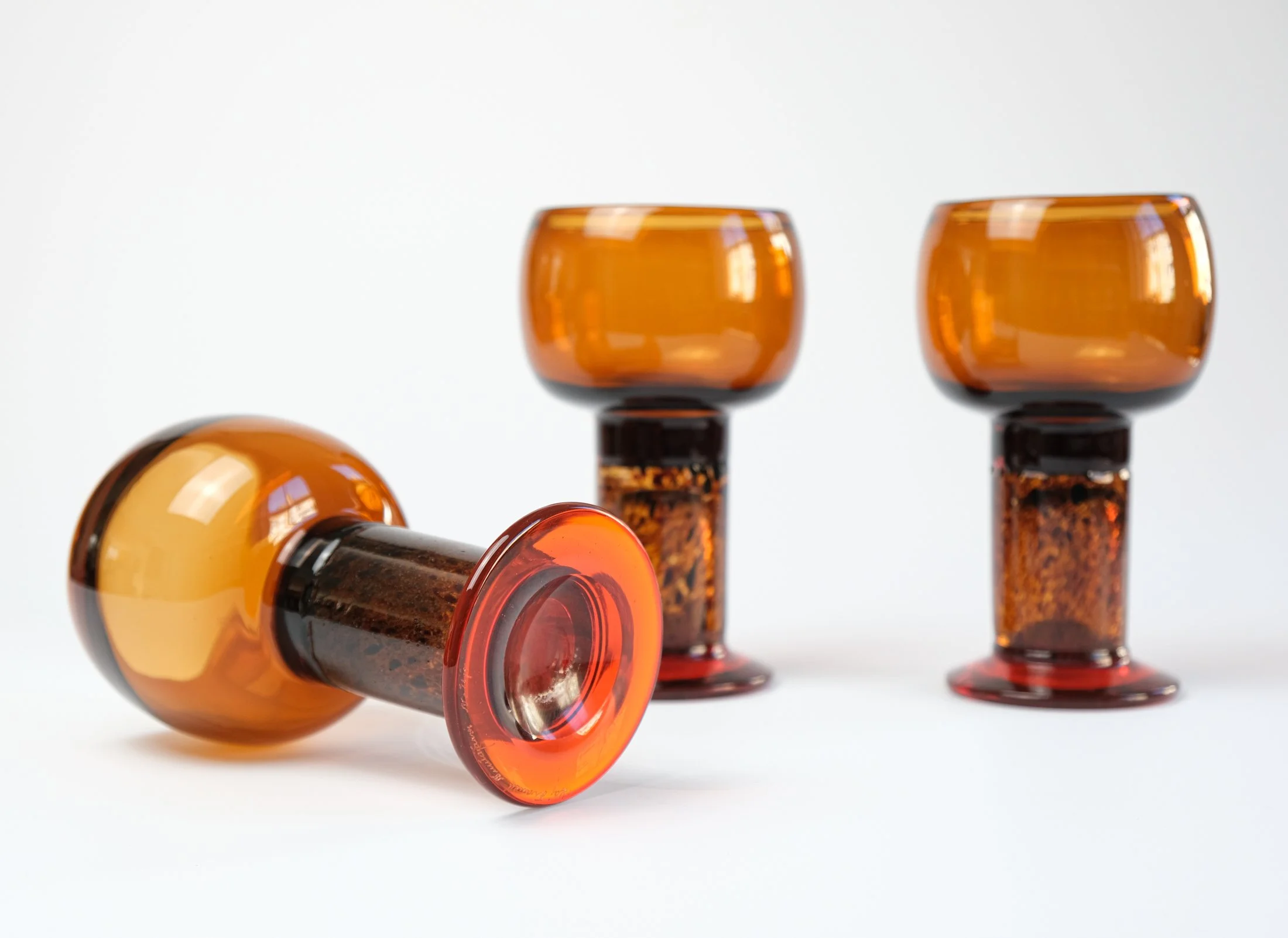
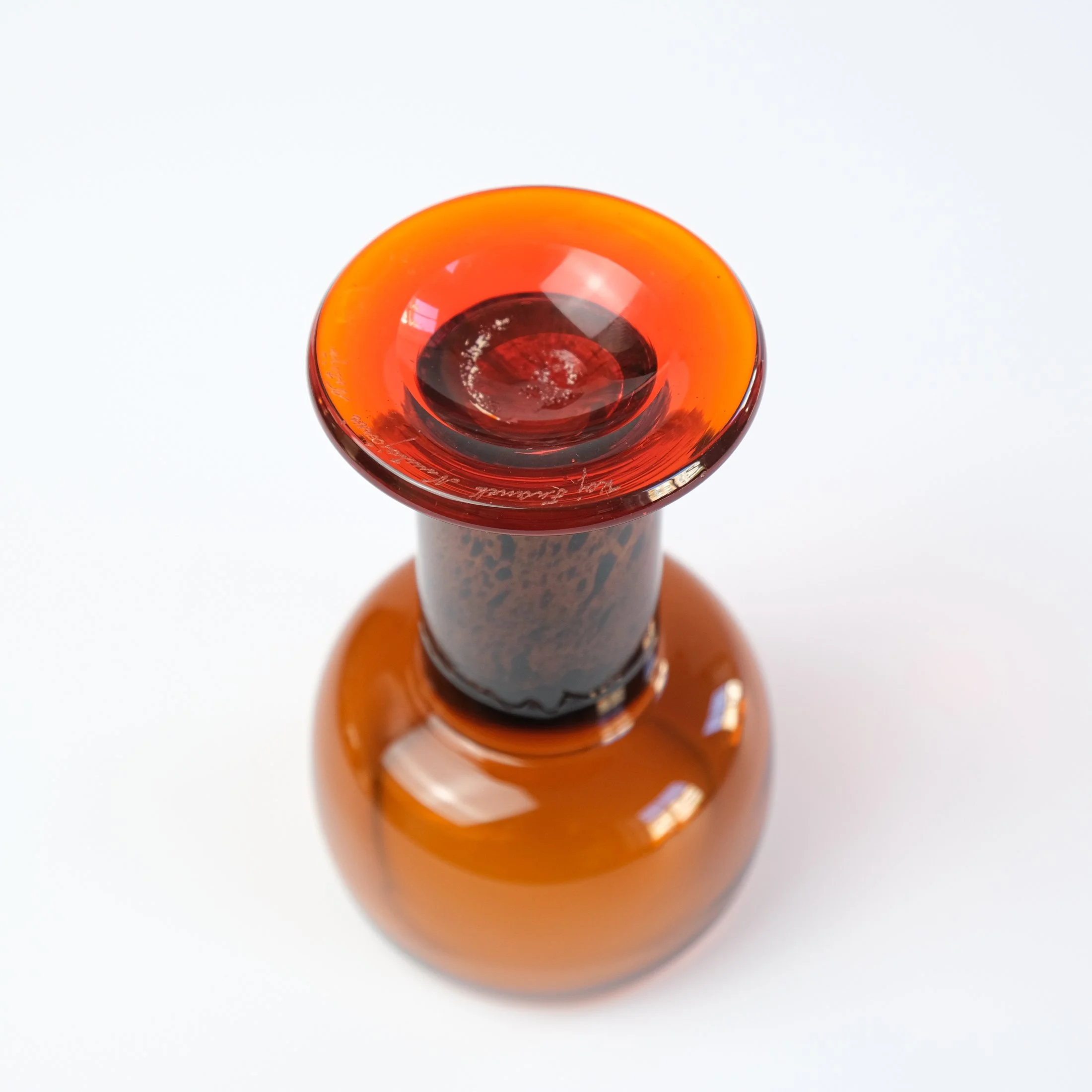
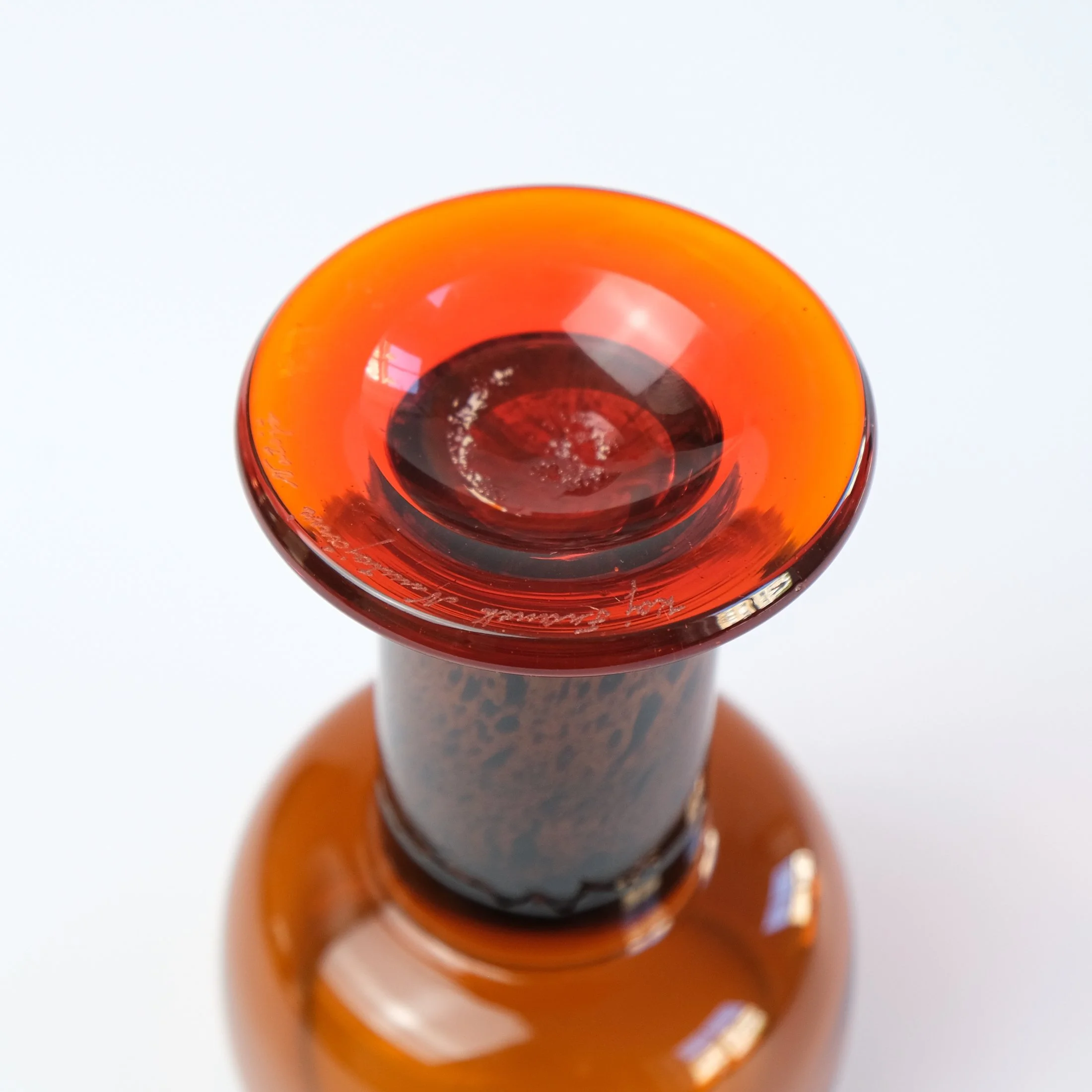
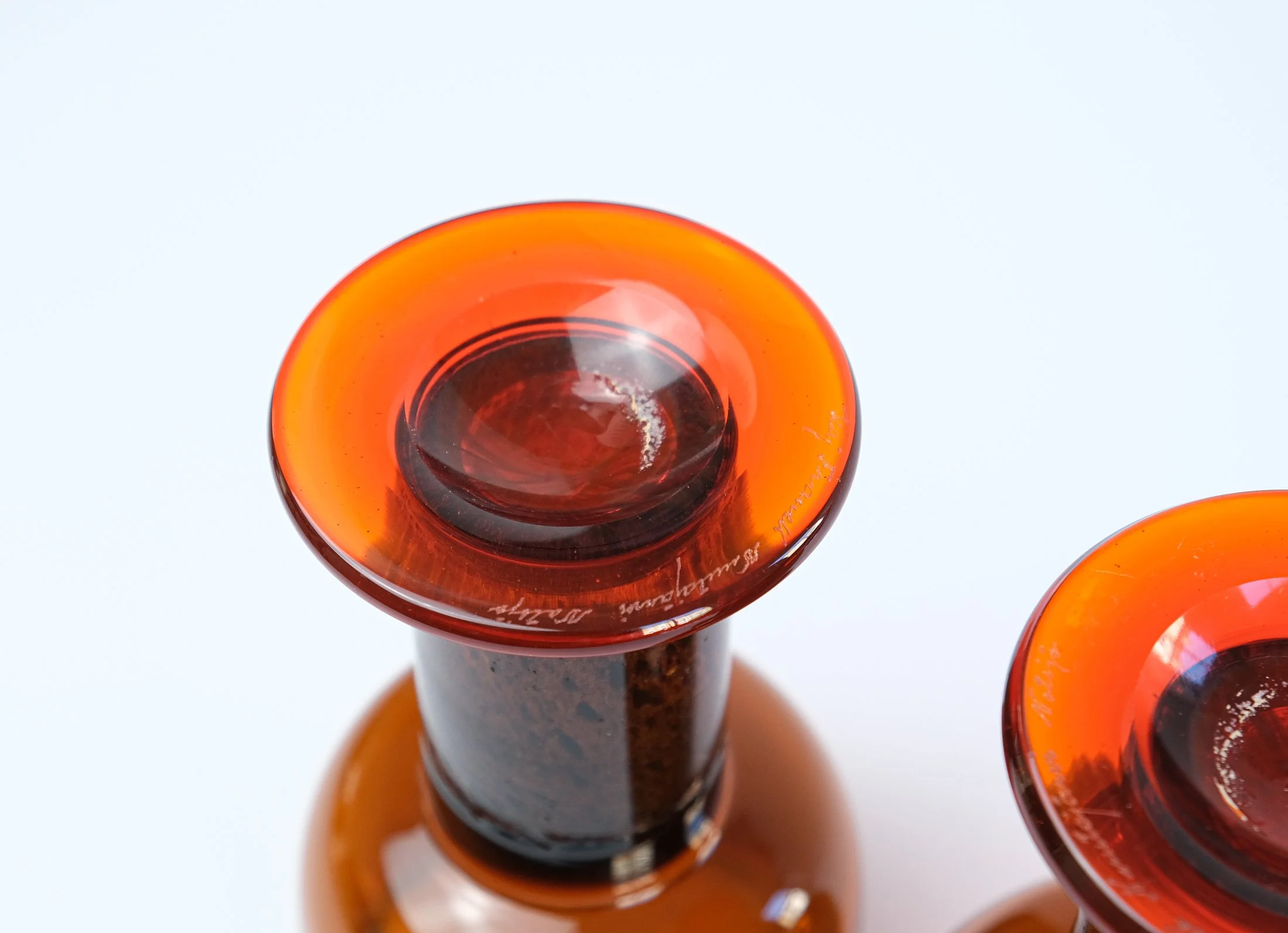
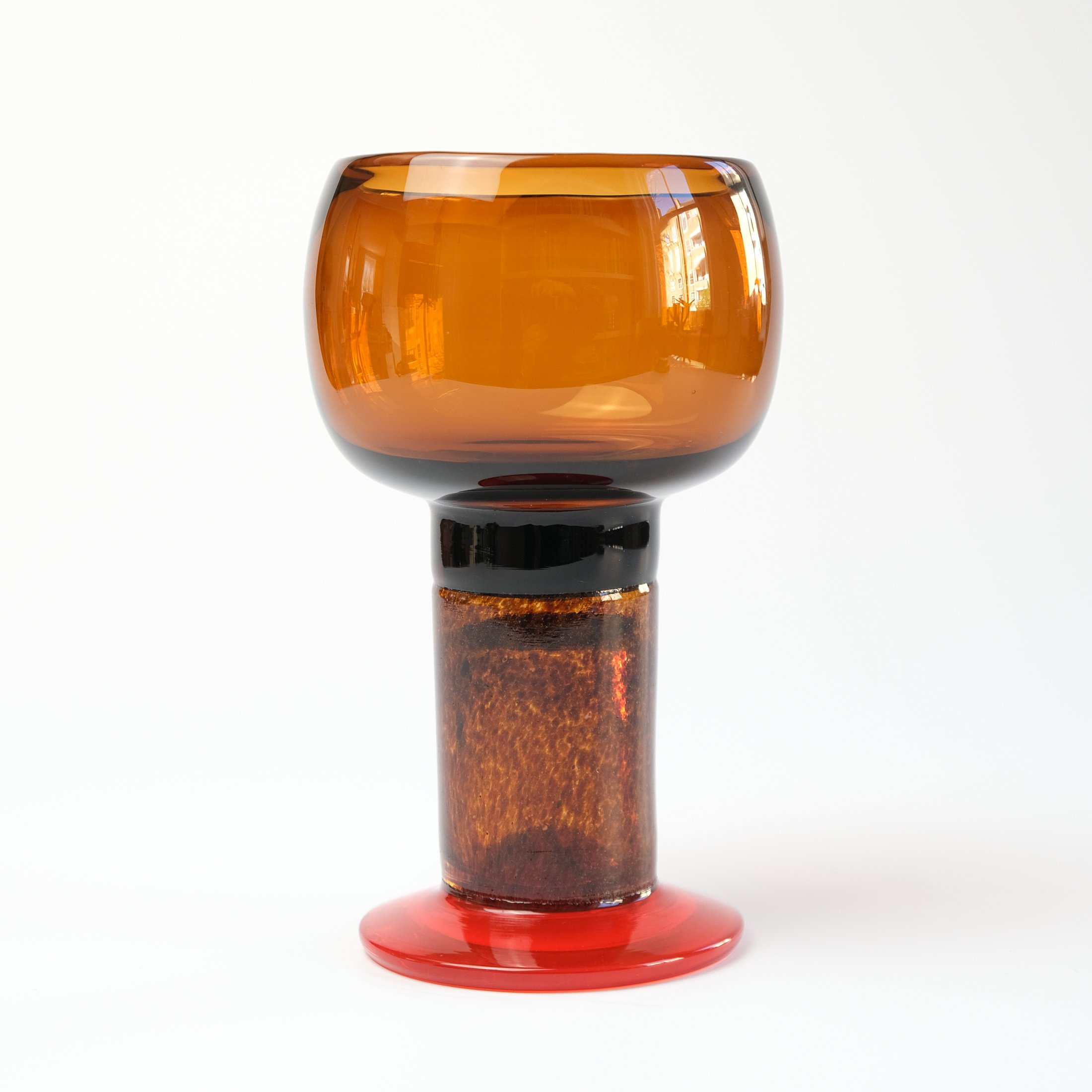
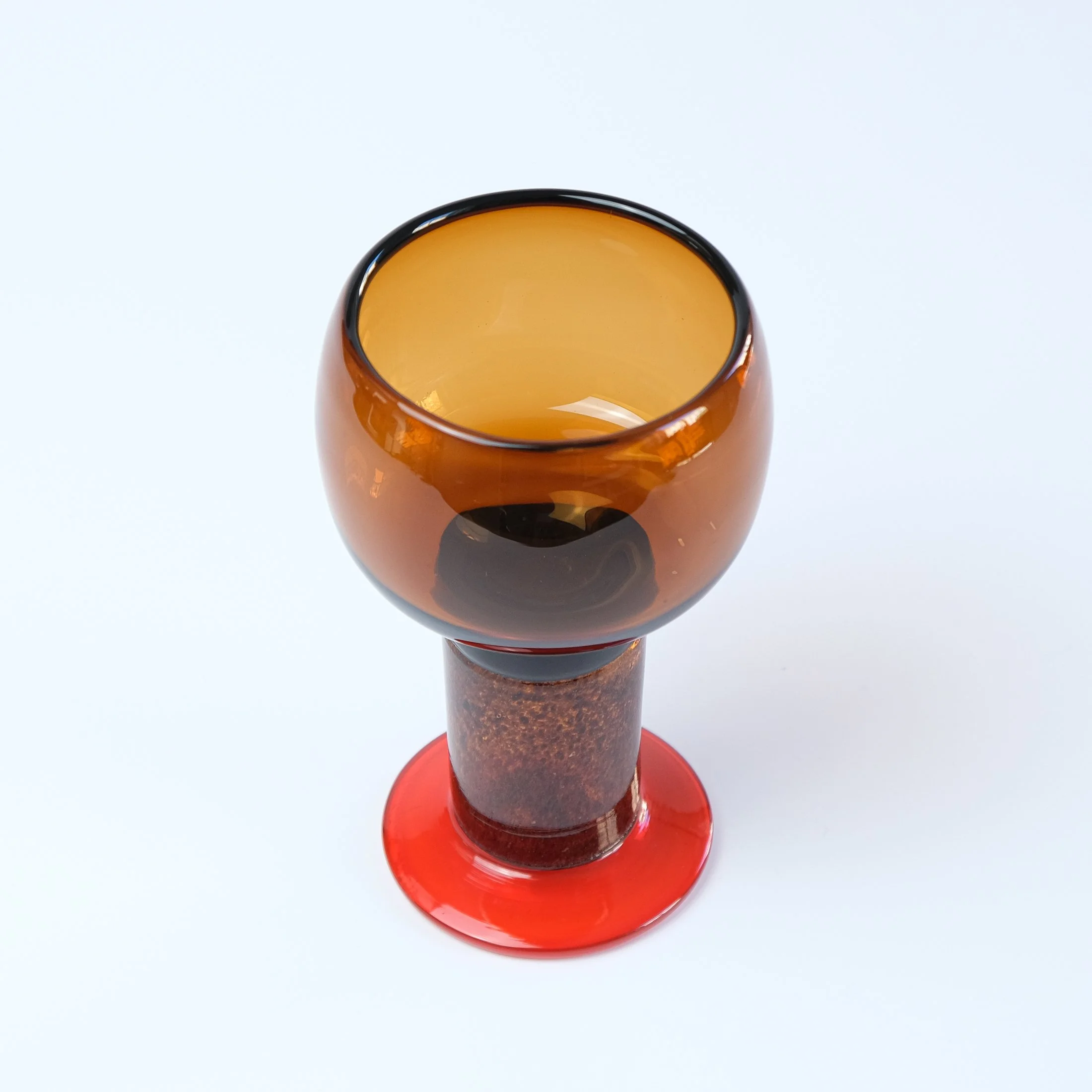
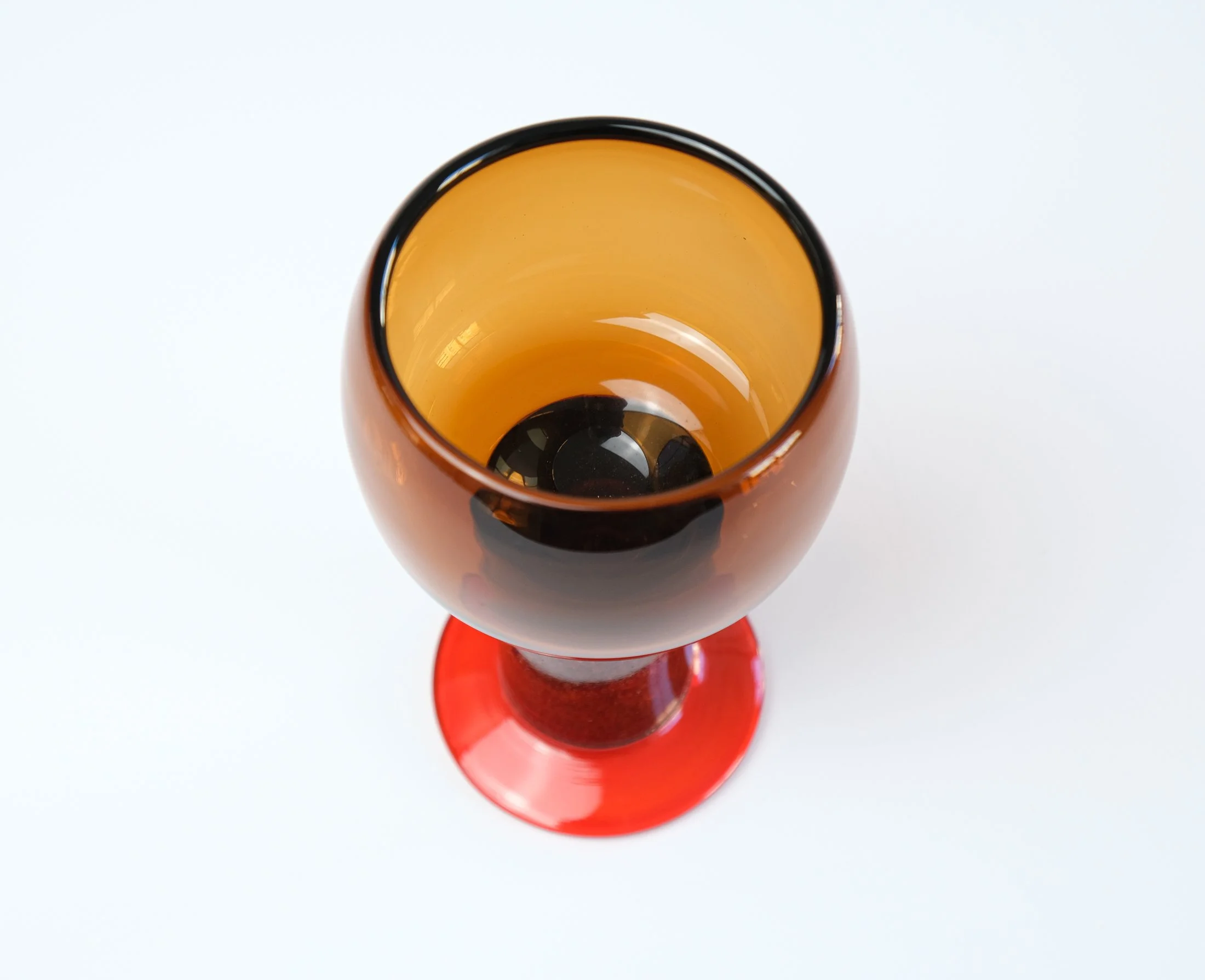
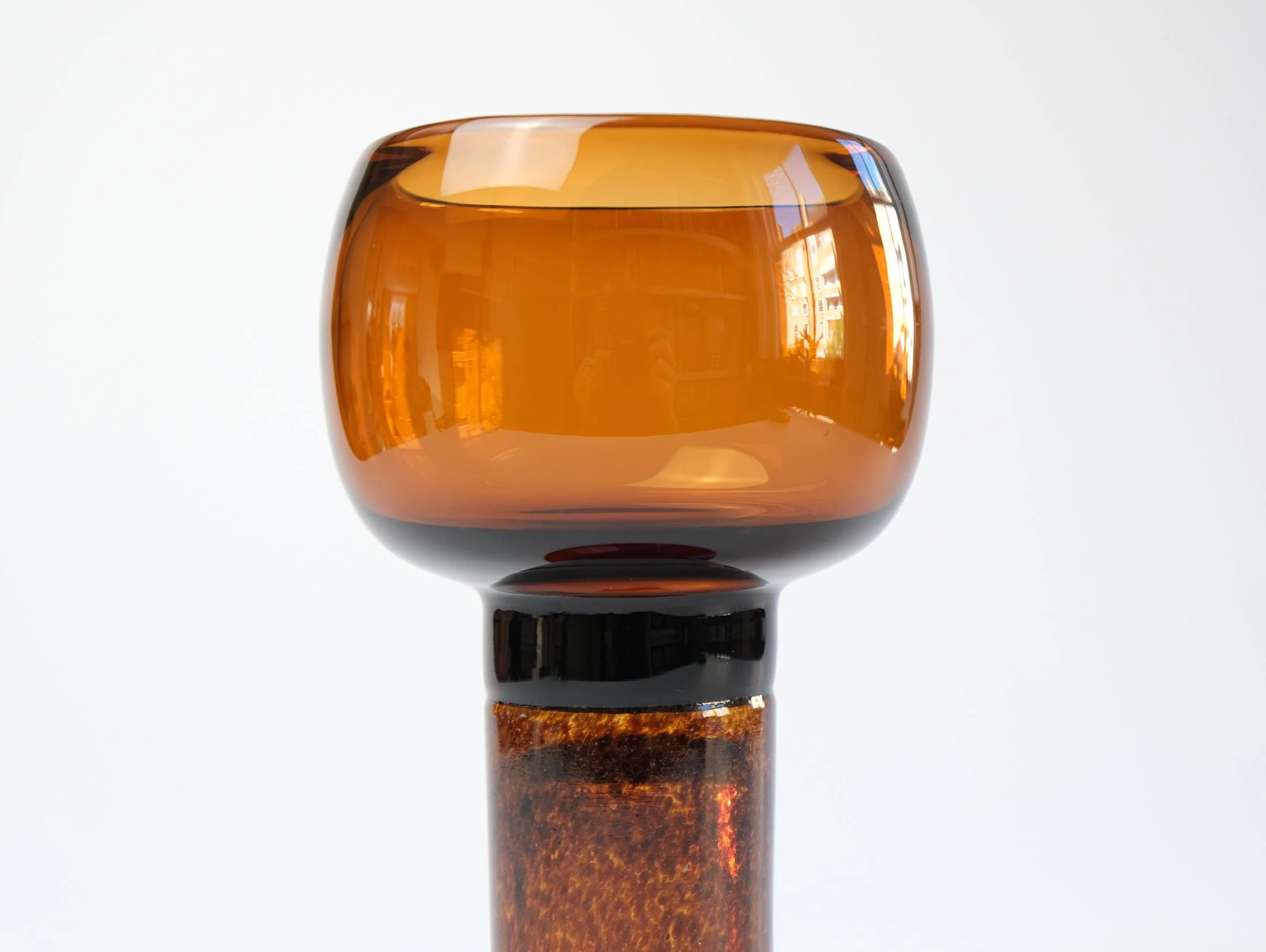
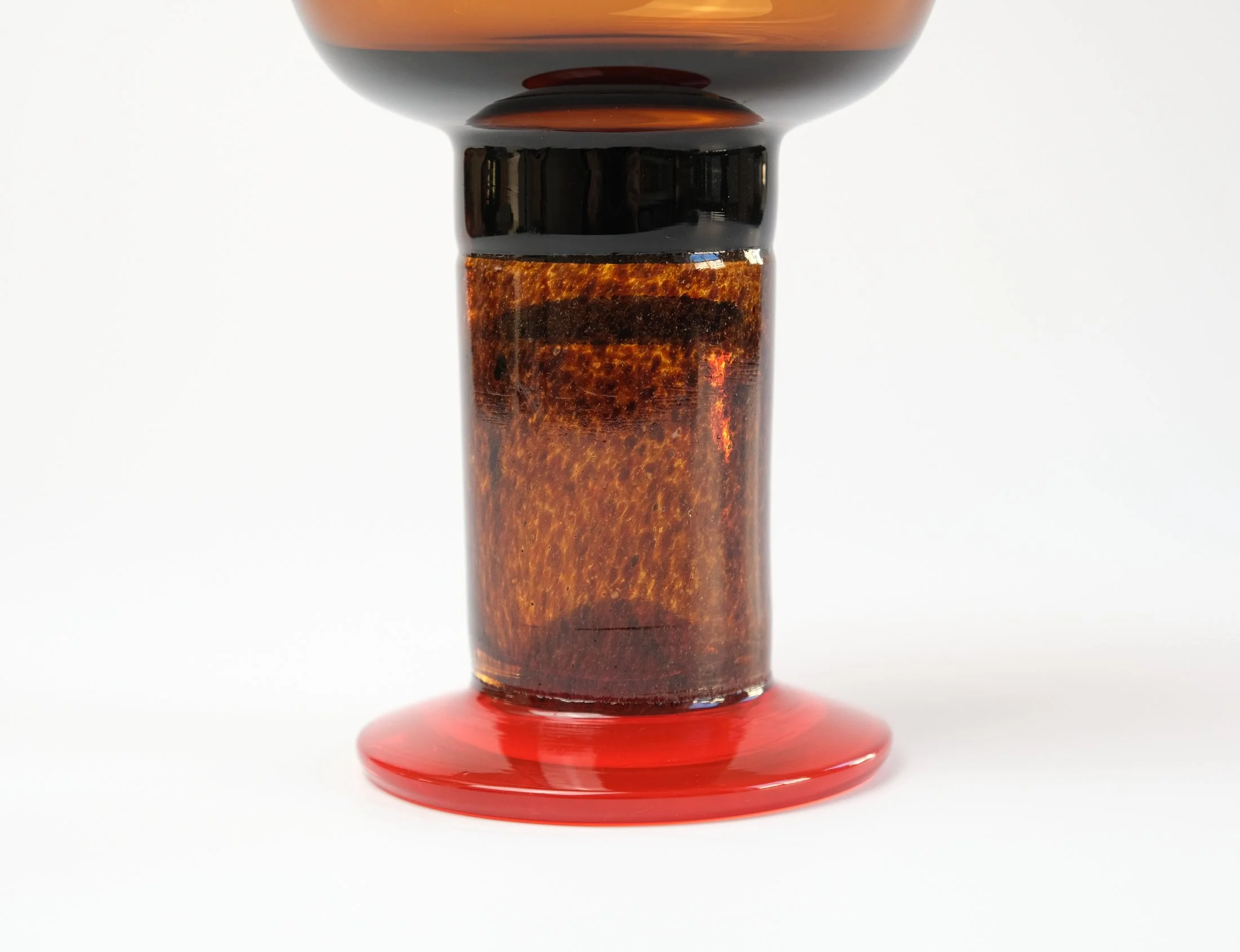
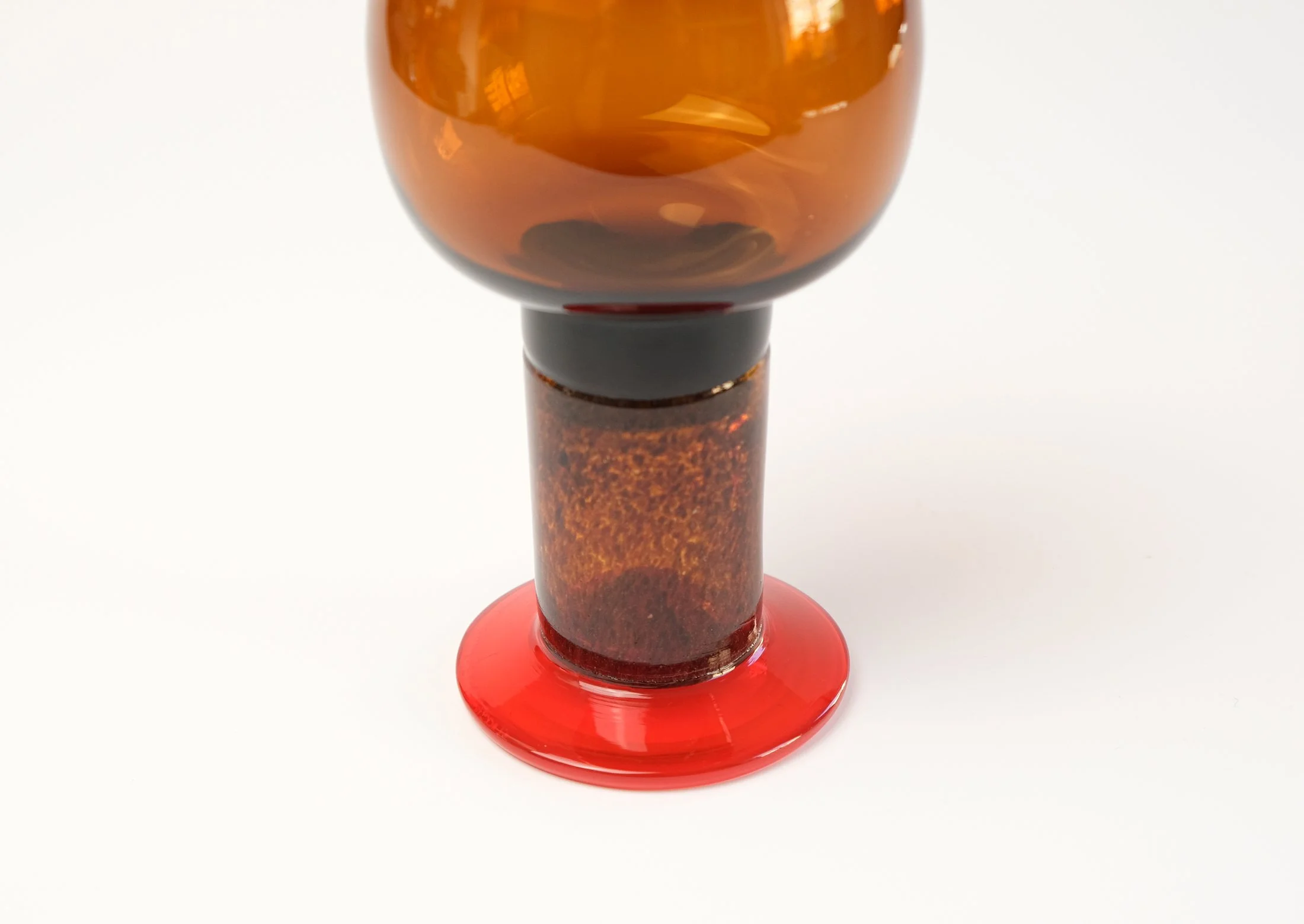
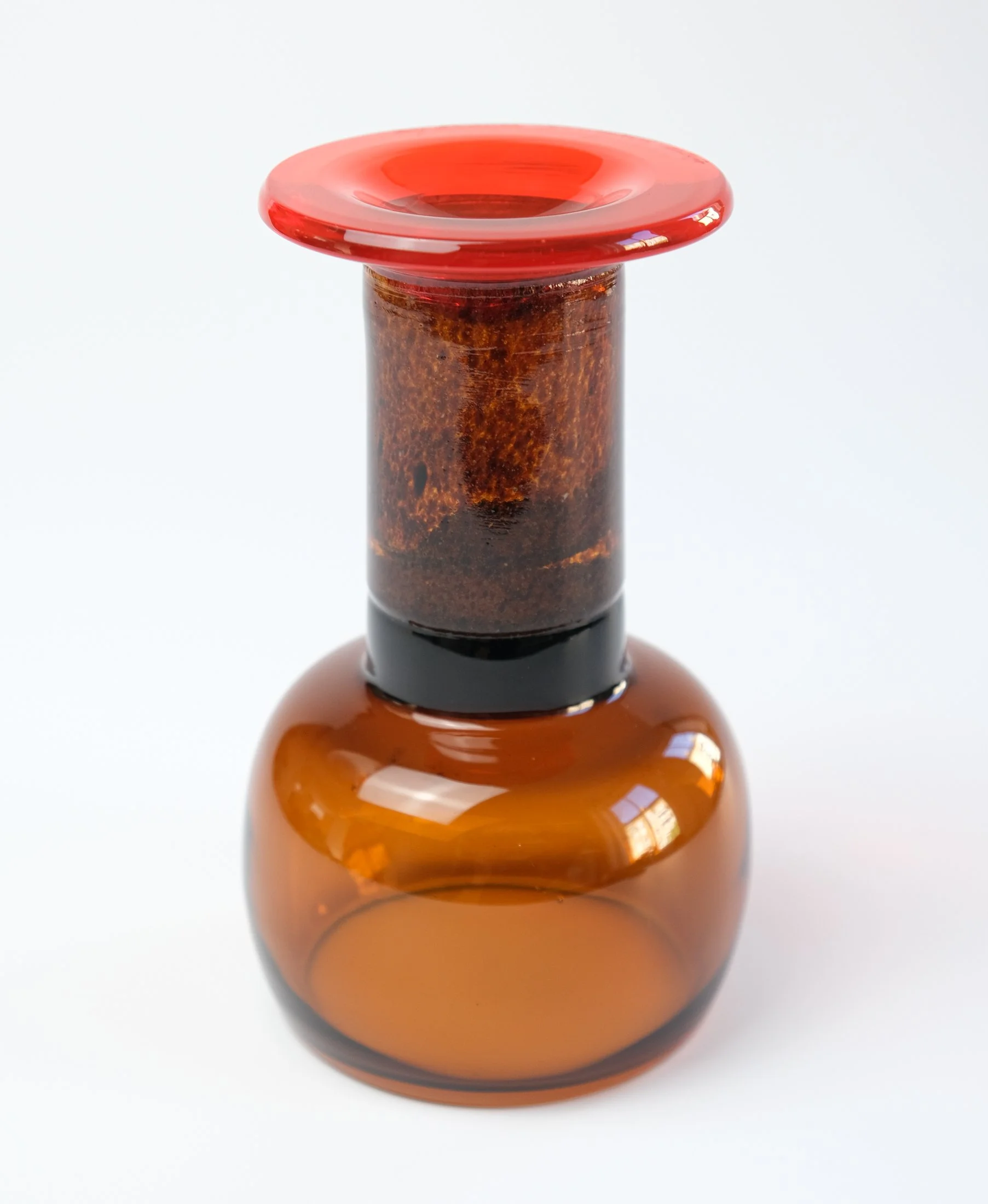
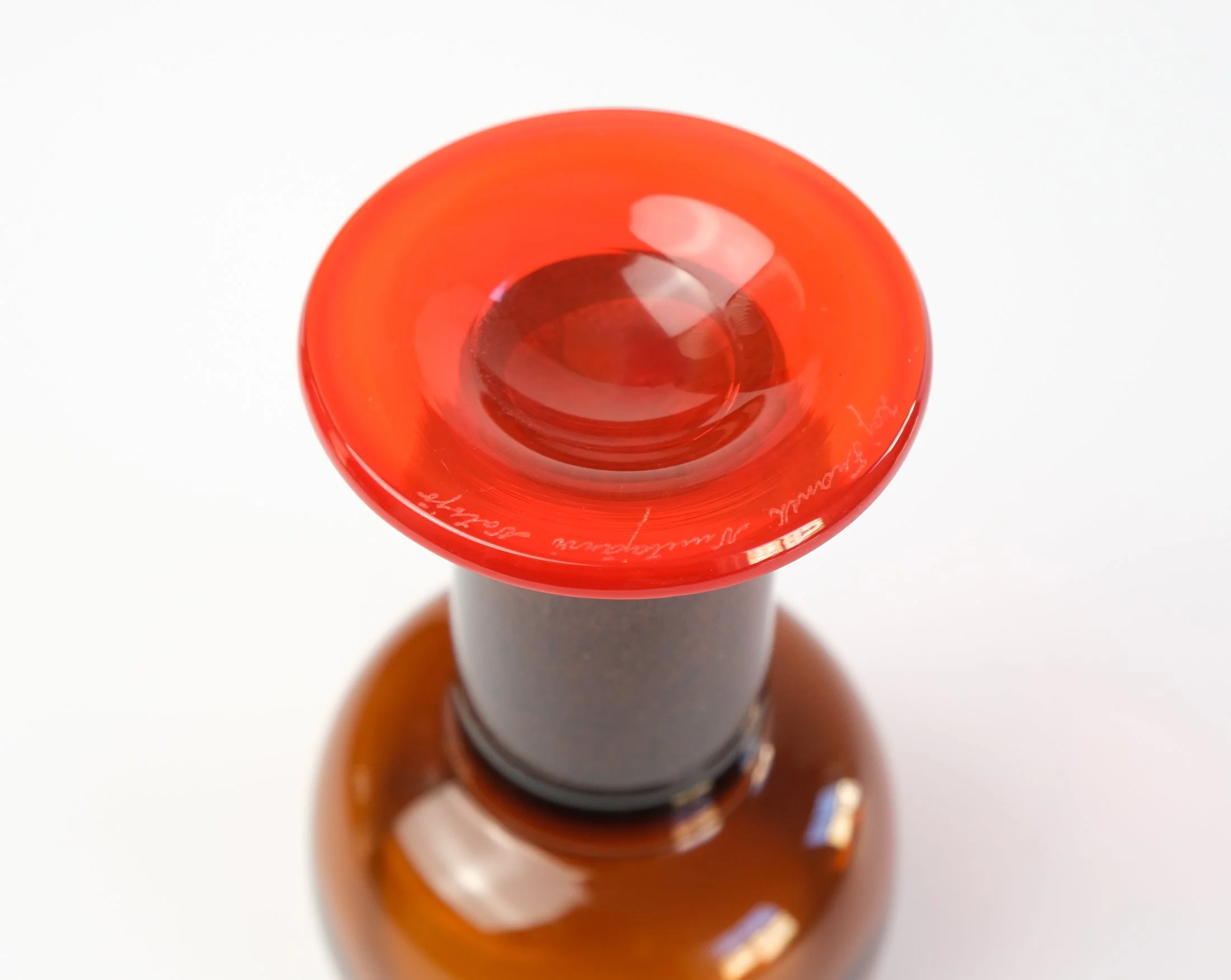
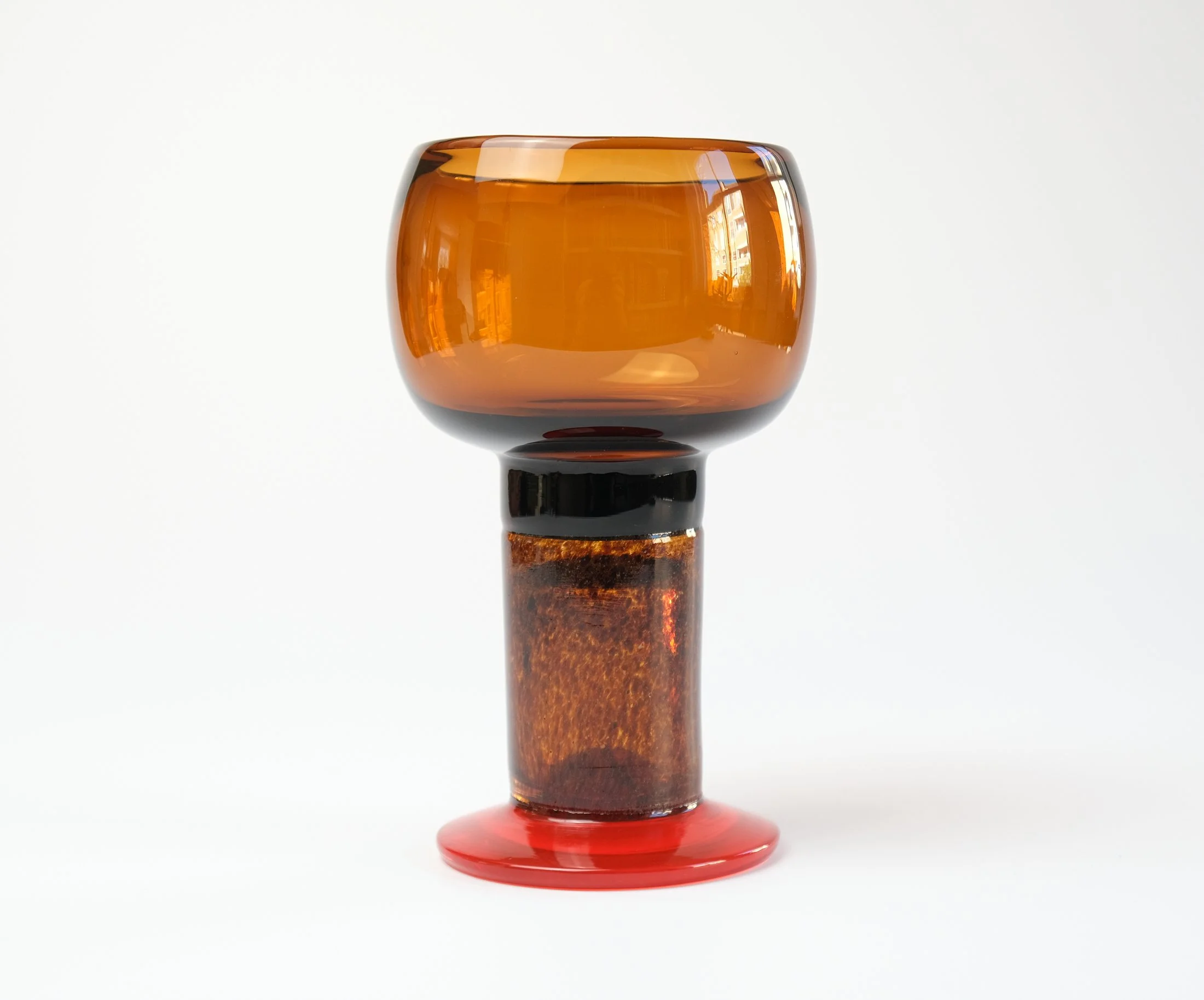
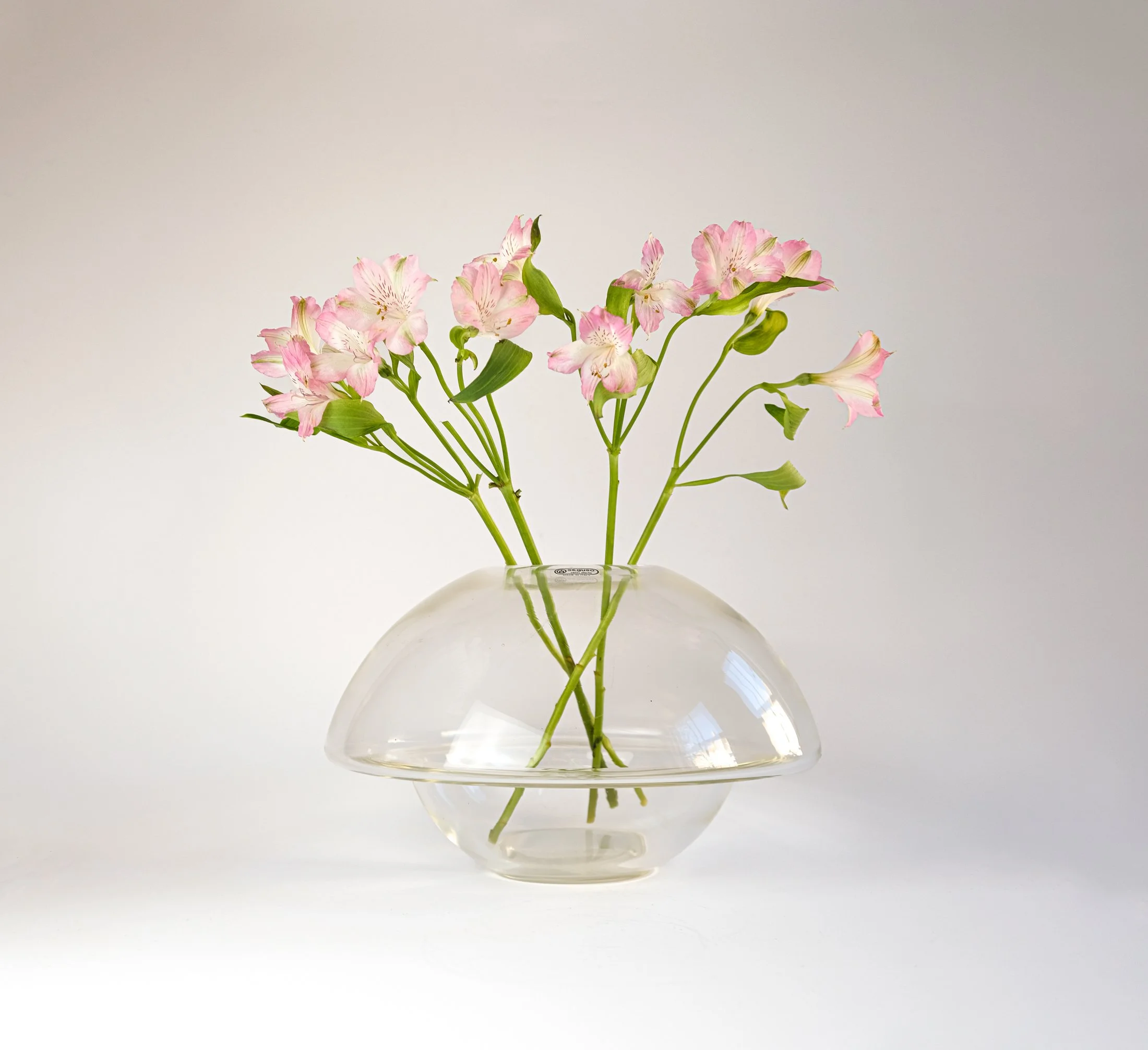
Mario Pinzoni was a master of form and elegance, a visionary who left his mark in the world of Murano glass during his time with the legendary Seguso Vetri d’Arte. Known for his refined aesthetic and innovative approach, Pinzoni helped shape the artistic direction of Seguso during the mid-20th century, blending timeless Venetian techniques with bold, modernist design. His pieces aren’t just decorative, they’re sculptural statements, infused with light, movement, and soul. Each work reflects the unmatched craftsmanship of Murano and the creative brilliance Pinzoni brought to the Seguso legacy.
Members of the Seguso family have been leading figures in the manufacture of glass on the Venetian island of Murano since the late 1300s, but for most collectors of vintage design, the name evokes two companies formed in the first half of the 20th century. Seguso Vetri d’Arte, born from a small consortium of master glass artisans that included Archimede Seguso (1909–99), thrived under the artistic directorship of Flavio Poli (1900–84), a designer with an eye for modern forms, colour and pattern. Vetreria Archimede Seguso, meanwhile, was founded in 1946, when Seguso opened his own atelier in order to employ classical techniques in the making of modern glassware. Though different in their scope and mission, both of these furnaces bearing the Seguso name created some of the most beautiful, alluring and exquisitely crafted works in all of modern design.
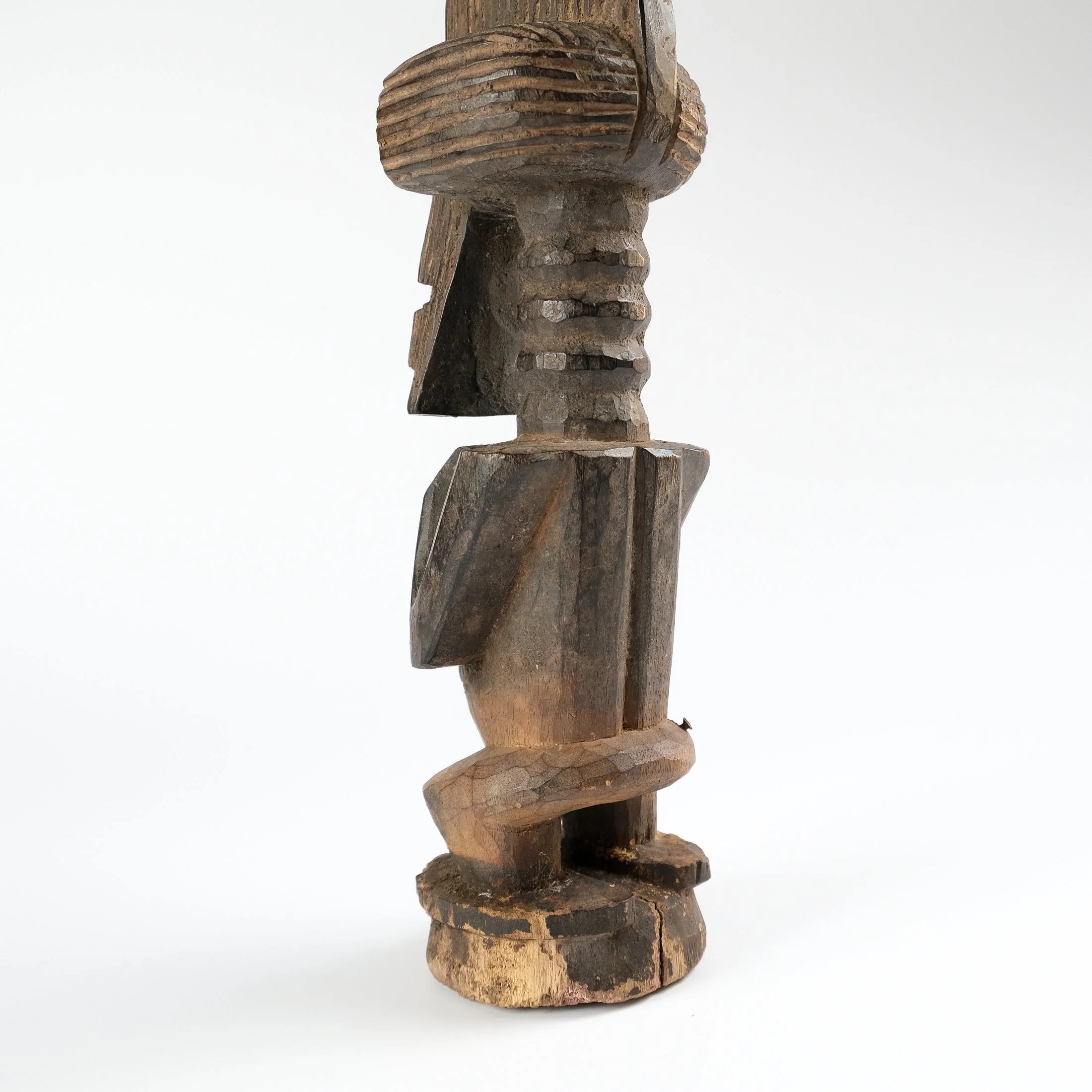
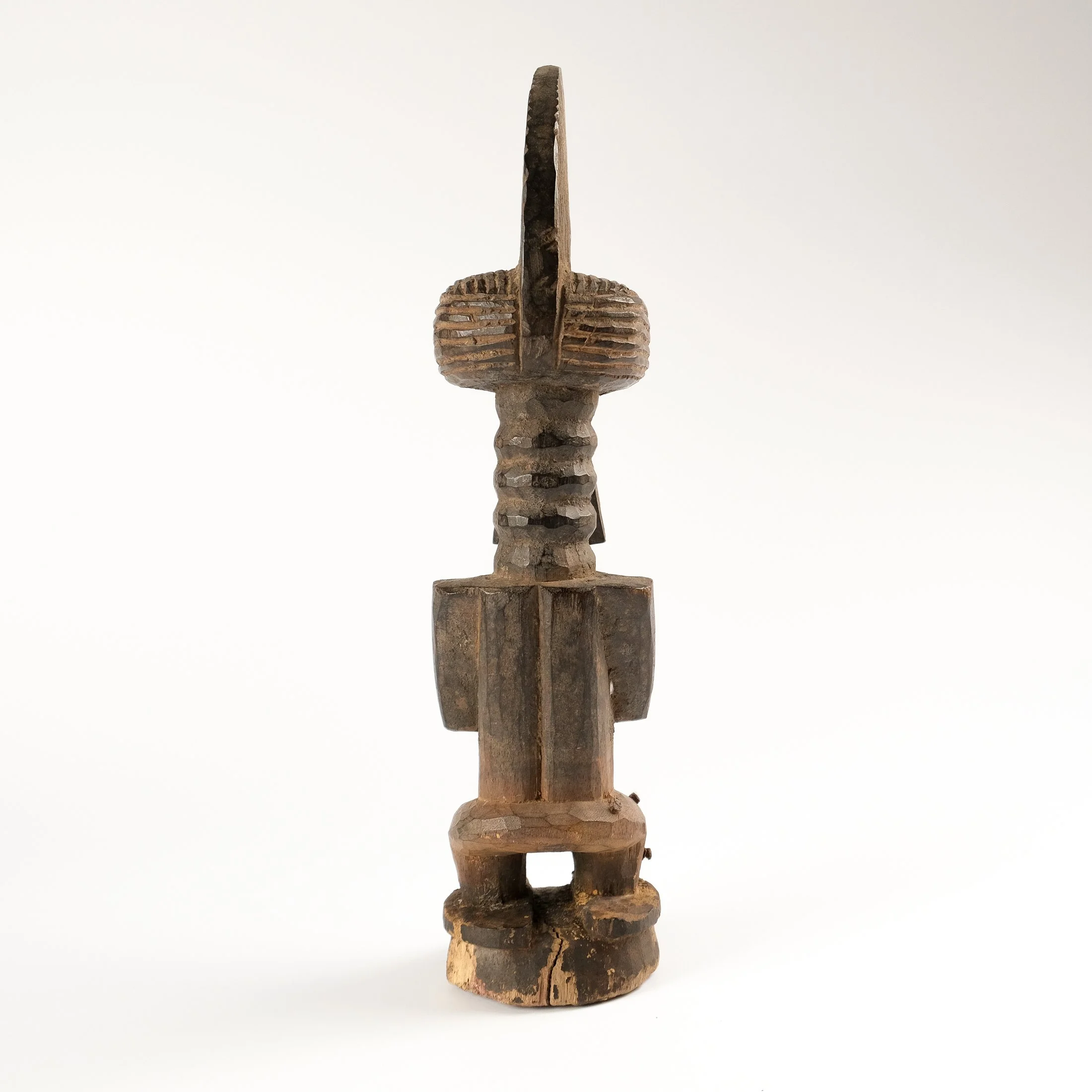
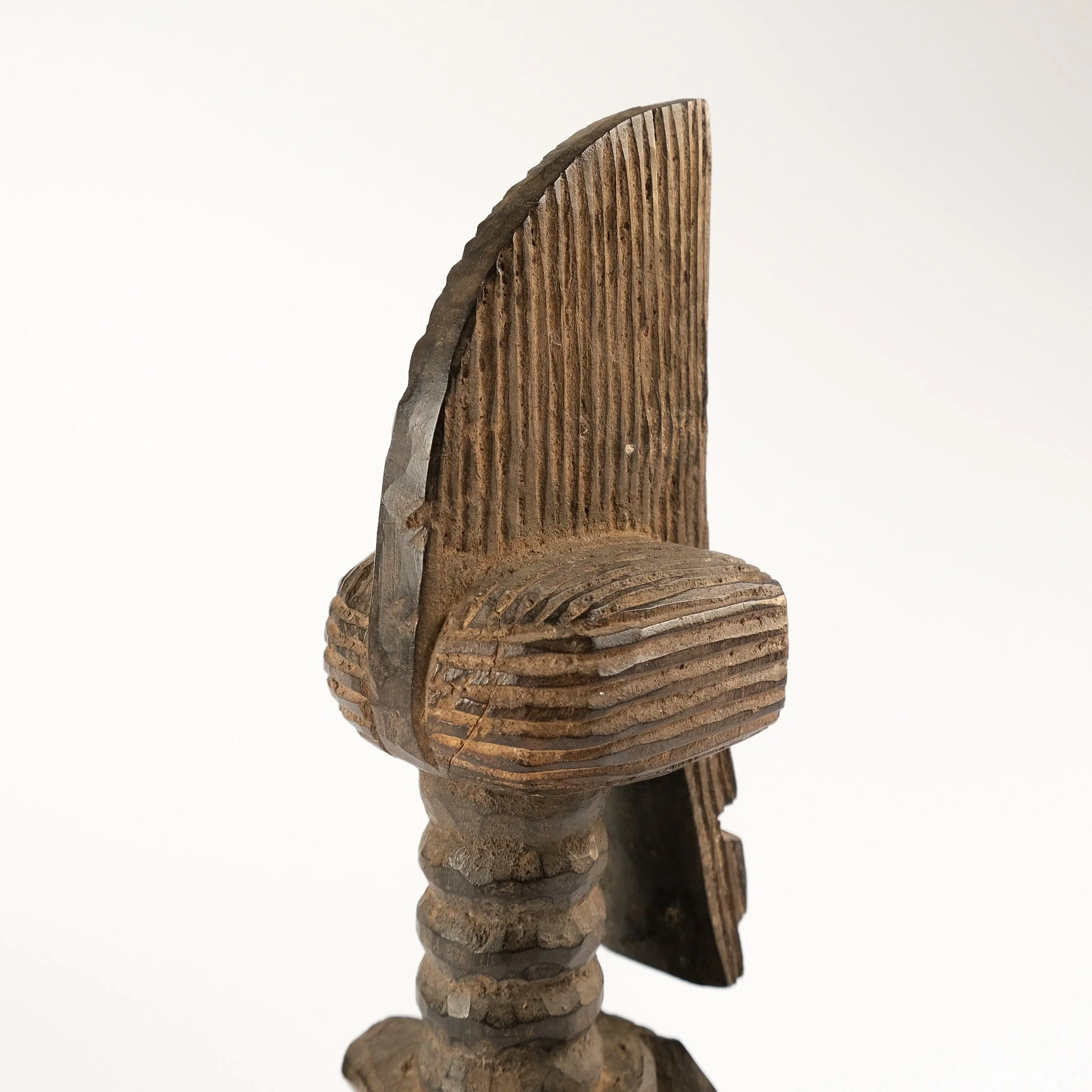
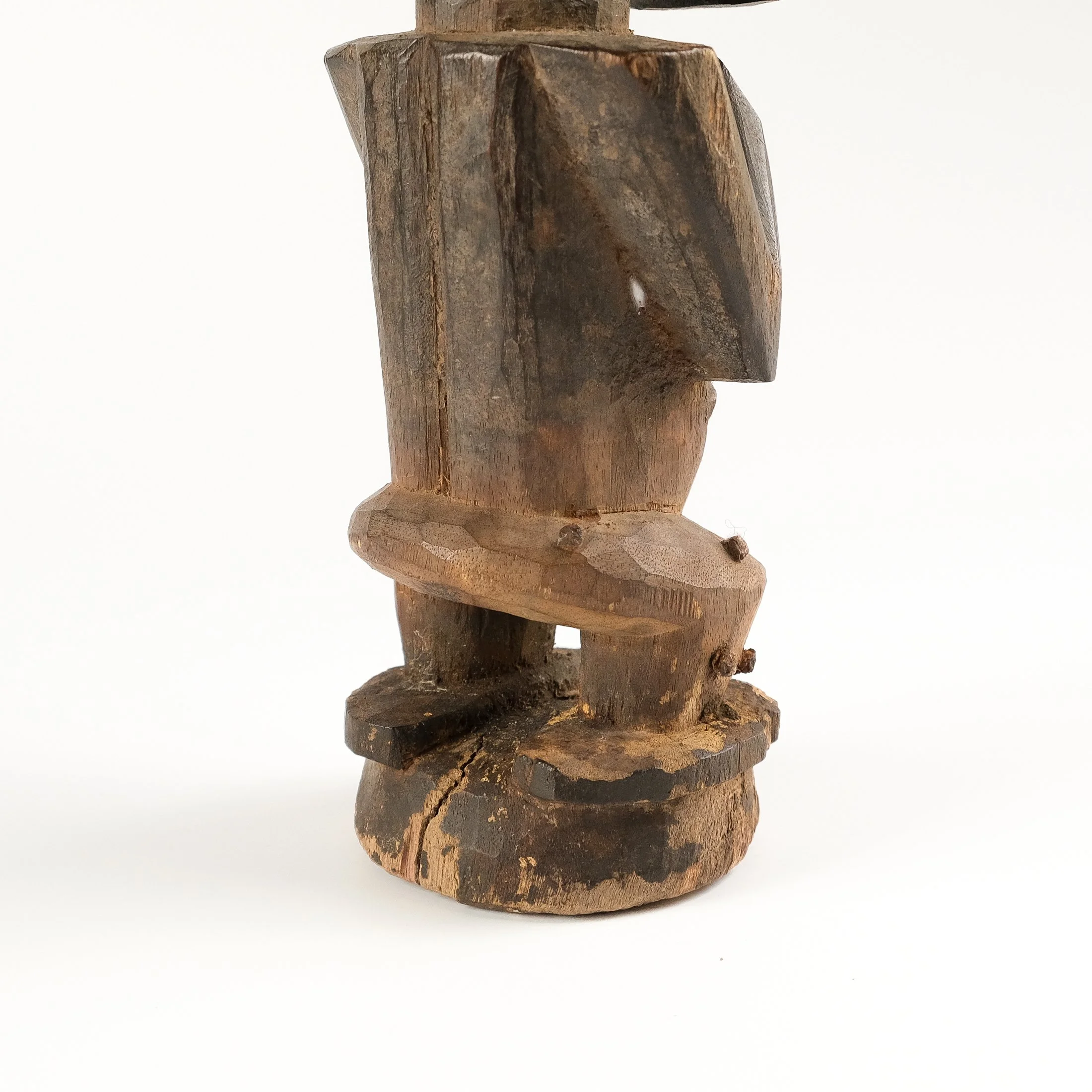
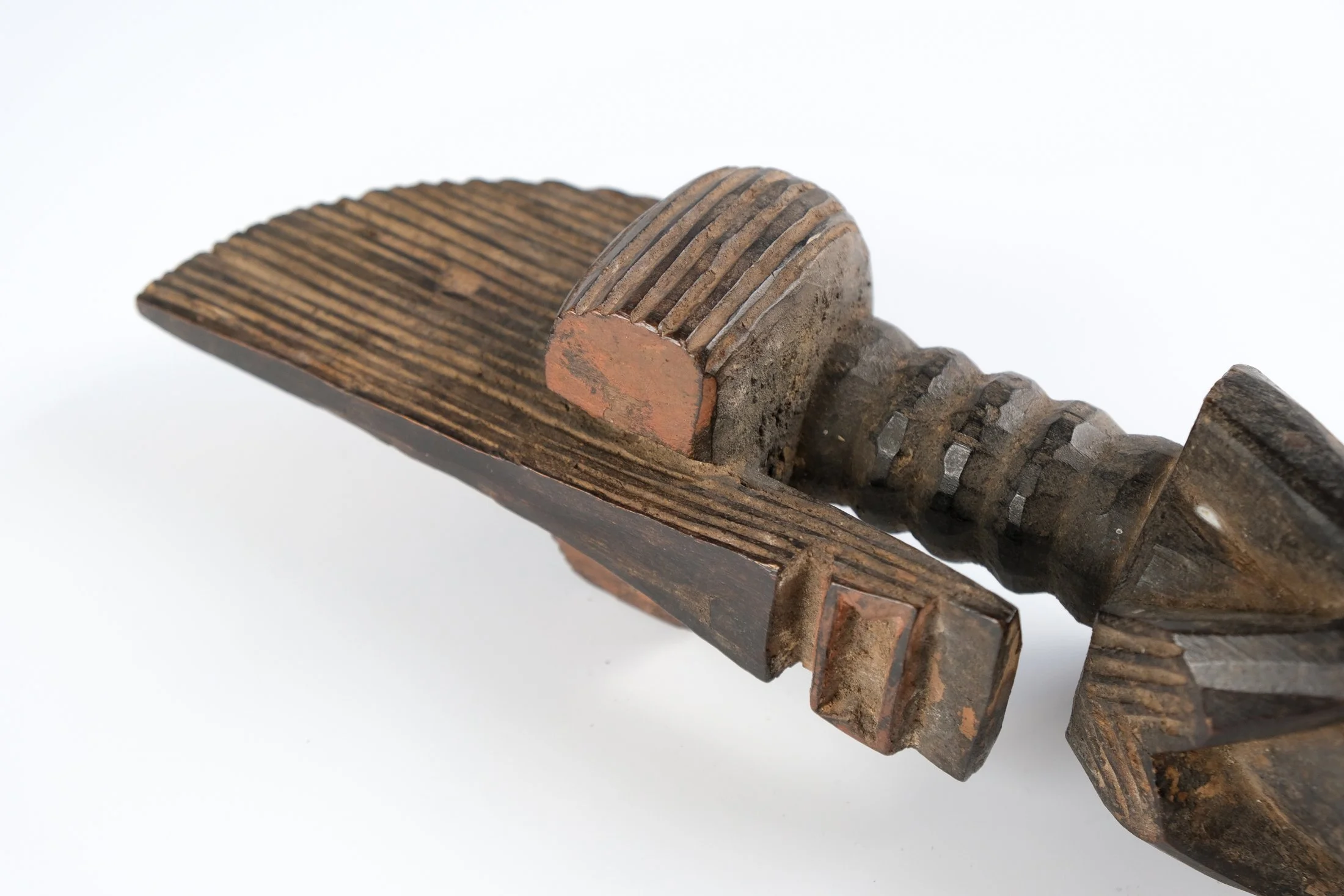
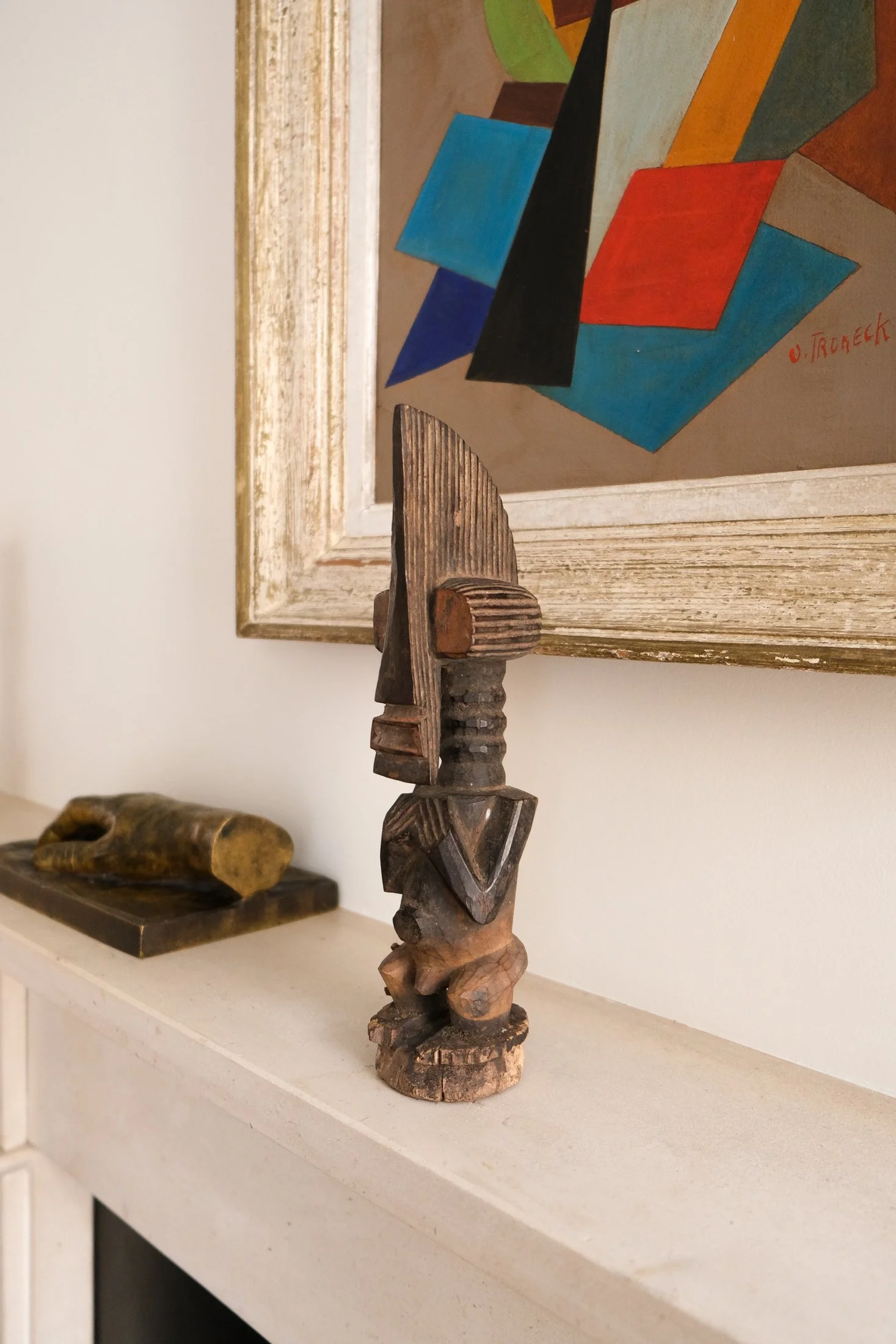
Among the Chamba peoples, such masks were used in masquerade performances associated with funerary rites, initiations, and protective ceremonies, where the dancer—wearing the mask with a full fiber costume—embodied a powerful bush spirit combining animal force and ancestral presence. Although helmet-like in construction, this type was not designed for direct forward vision and would have been worn tilted or elevated, with the performer seeing beneath or around it, reinforcing the transformation from human to spirit; the perforations along the rim once secured the attached costume, confirming its role within a complete ceremonial ensemble.
A genuine, traditionally used example rather than a later decorative carving, offering both sculptural presence and ethnographic significance. A compelling addition to a collection of African art or tribal sculpture.
More Info.
-
Free shipping on all UK purchases. Local pick-up from London N7 is also possible and is by appointment only.
-
If you are outside the UK, please use the contact form below to get in touch with us for a shipping quote before purchasing.
Say Hello.
Looking for an international shipping quote (outside the UK)? Looking for more information about something you’ve seen? Or have something interesting you think we should see? We’d love to hear from you.