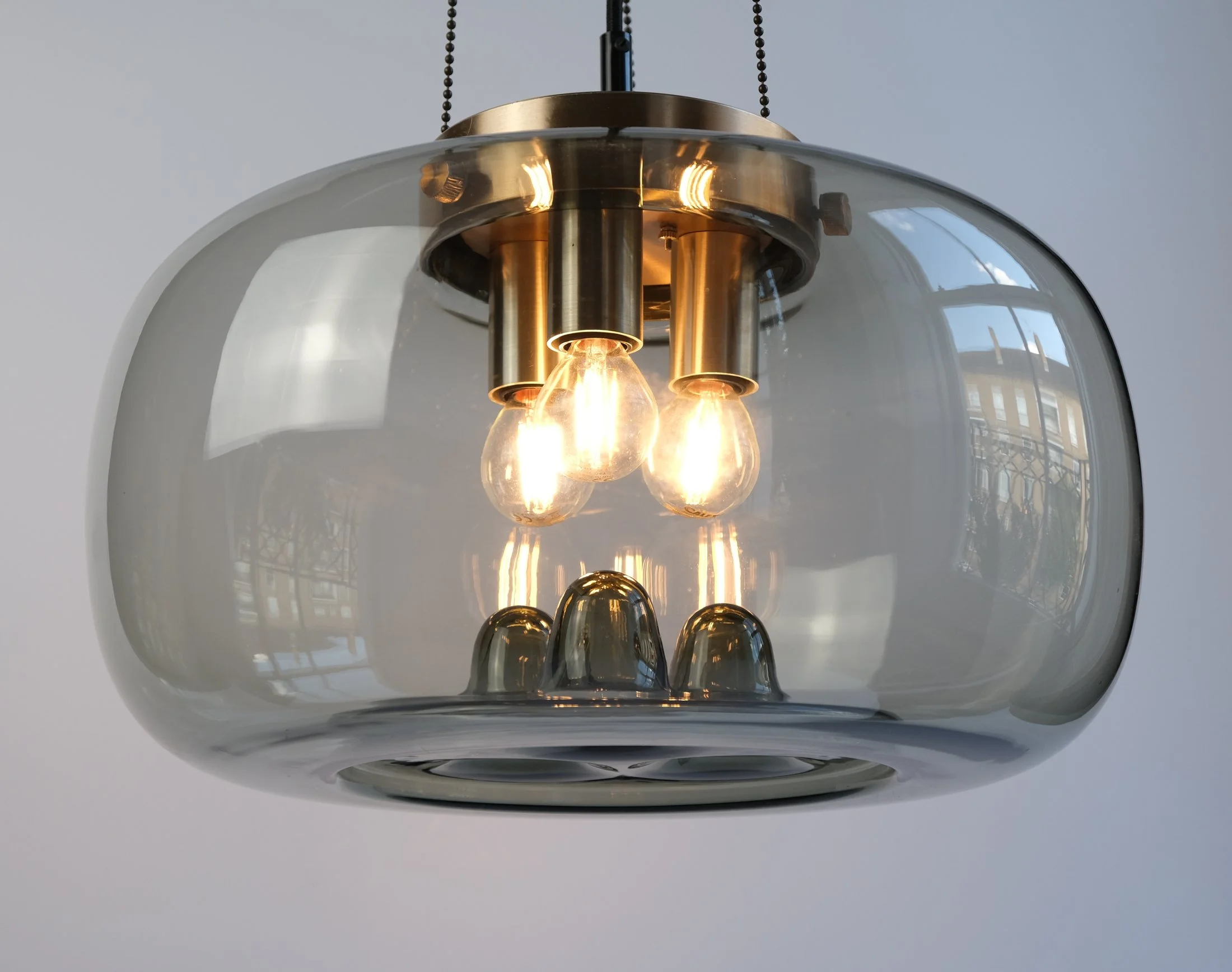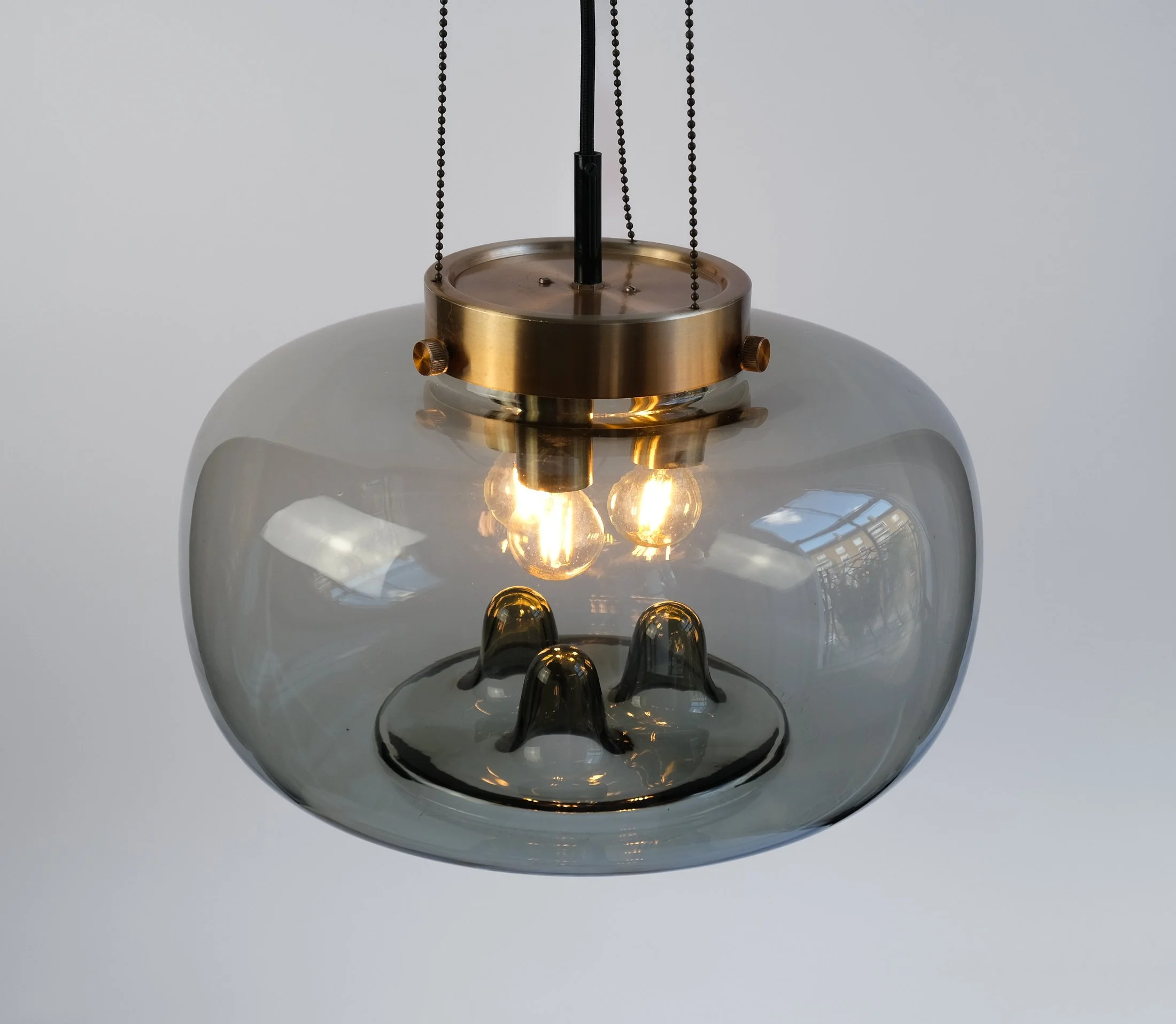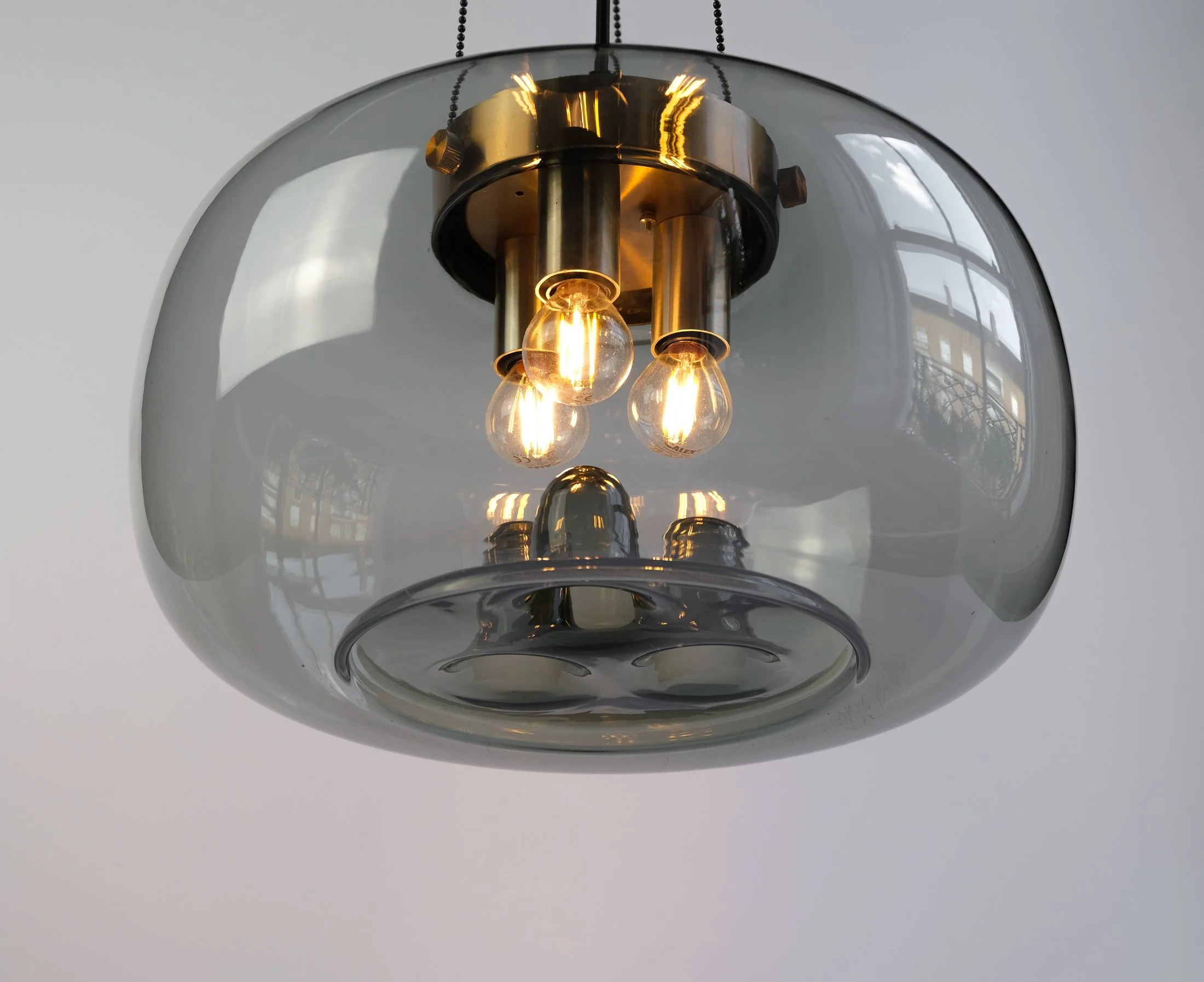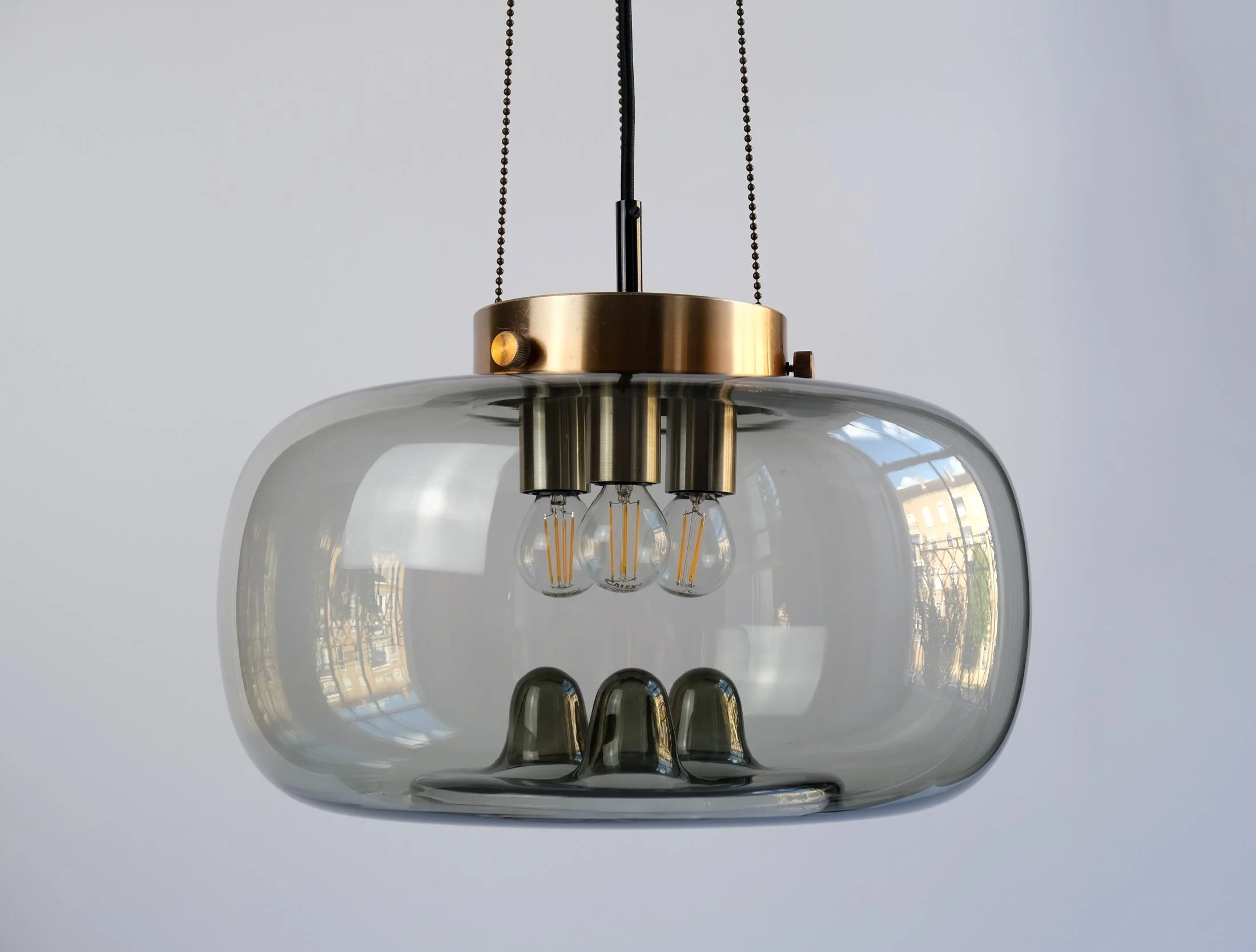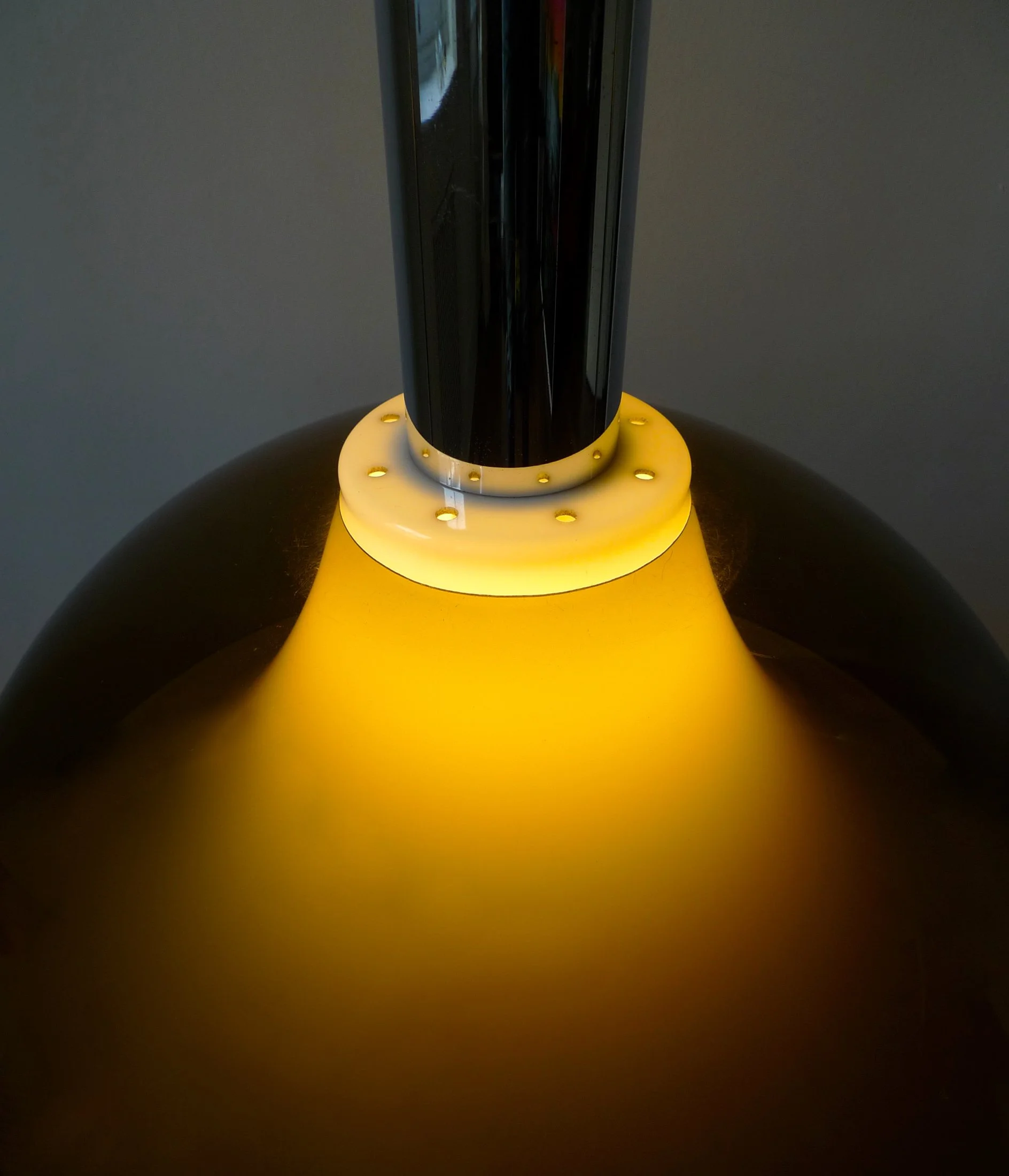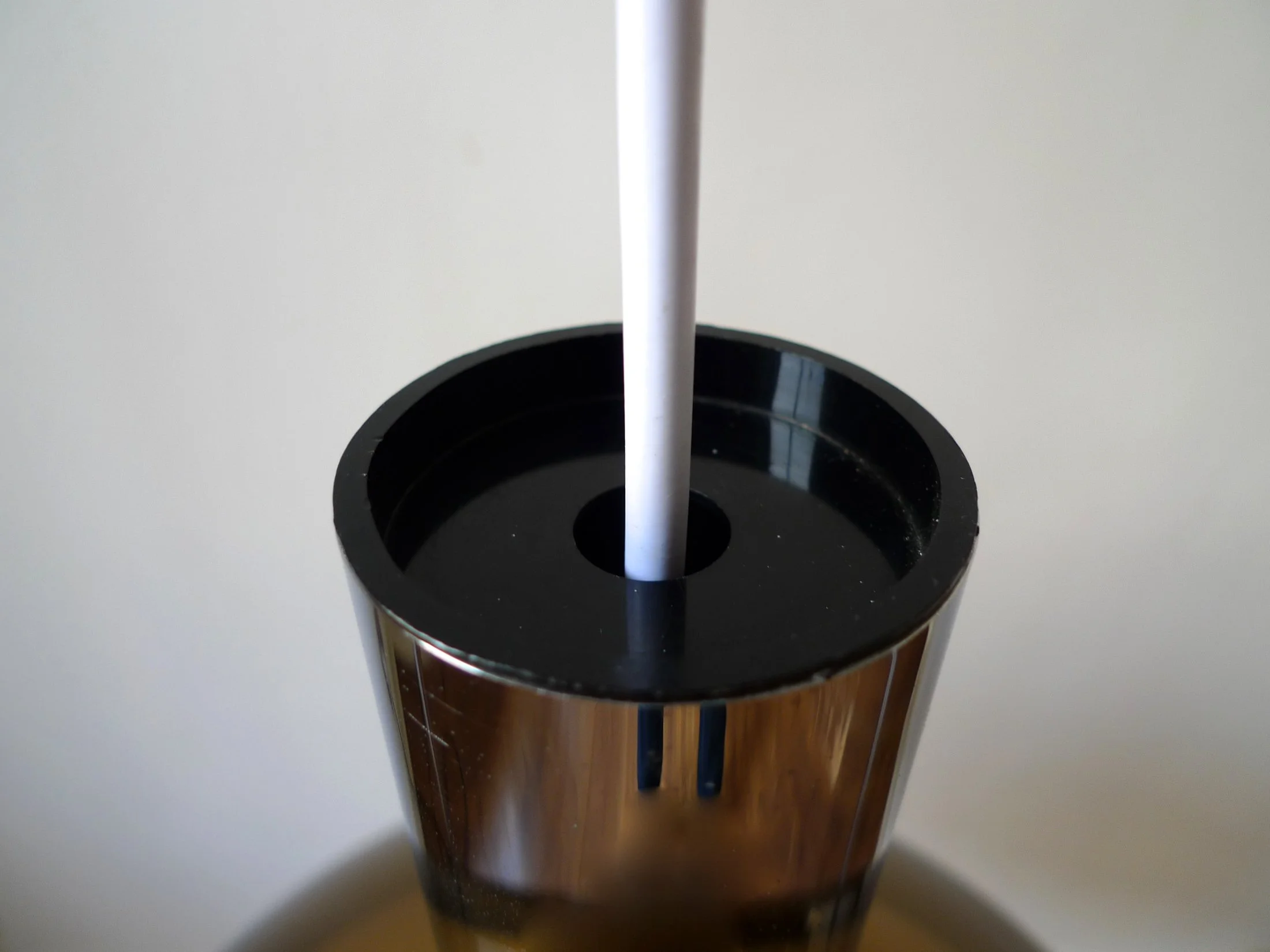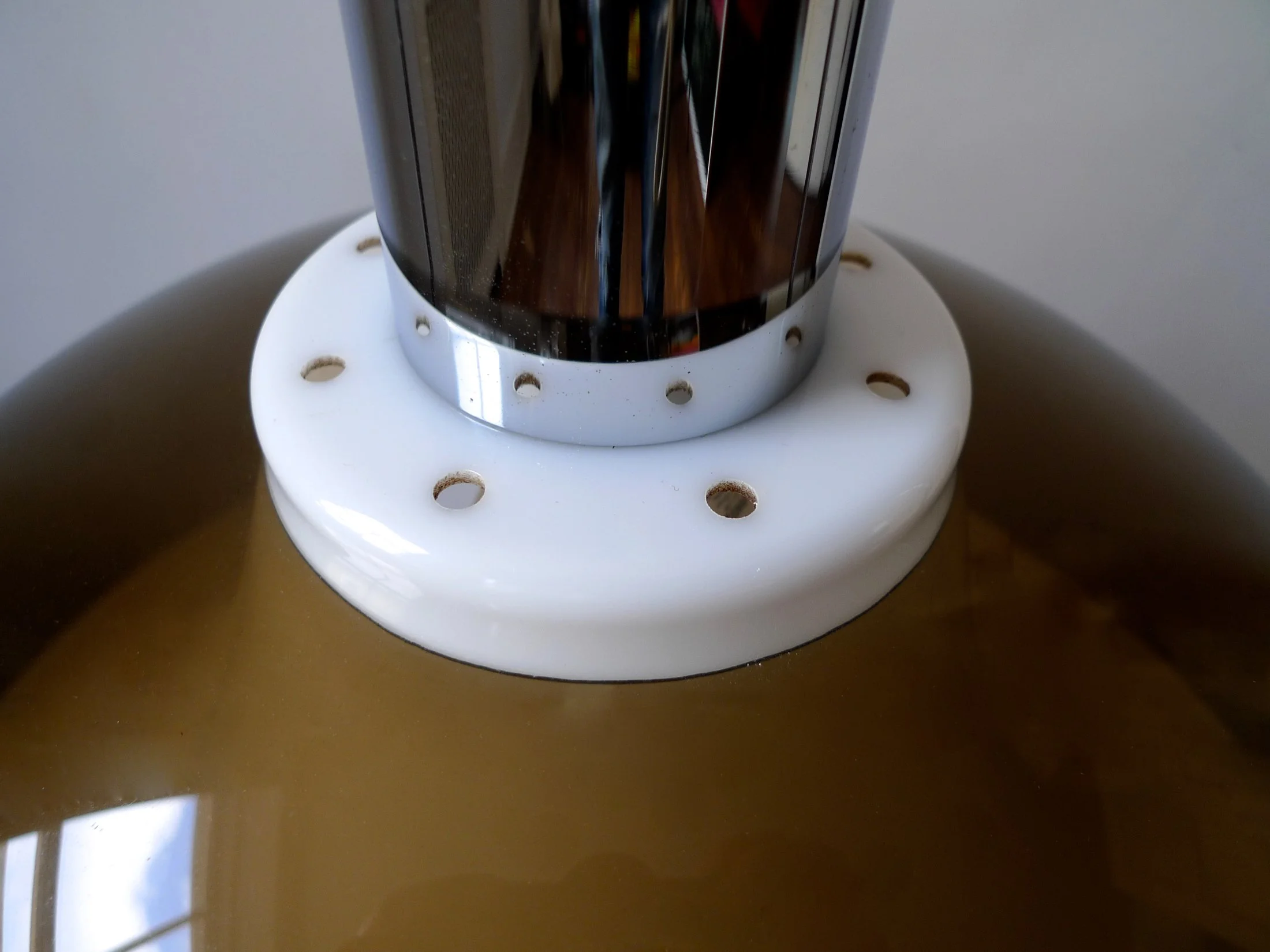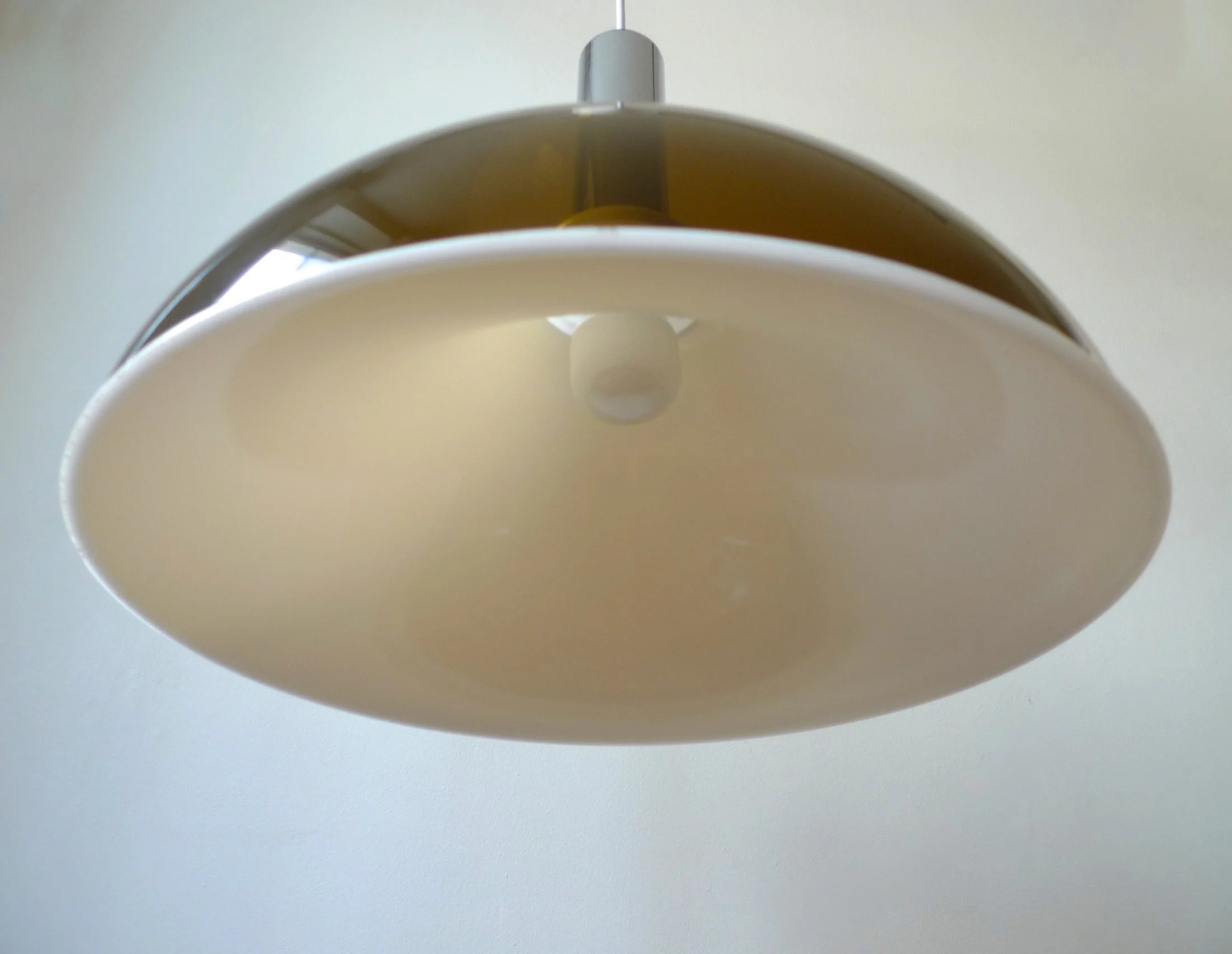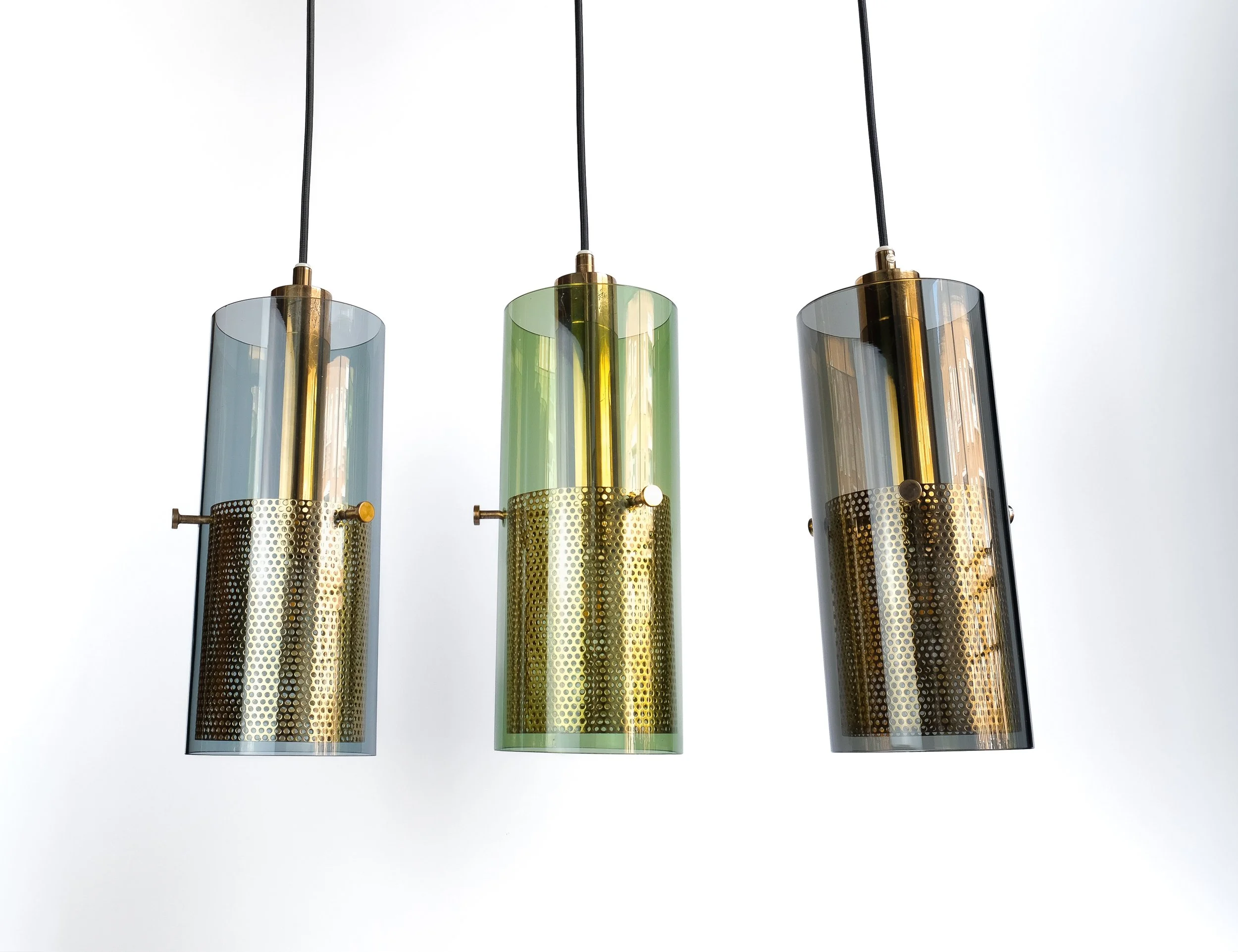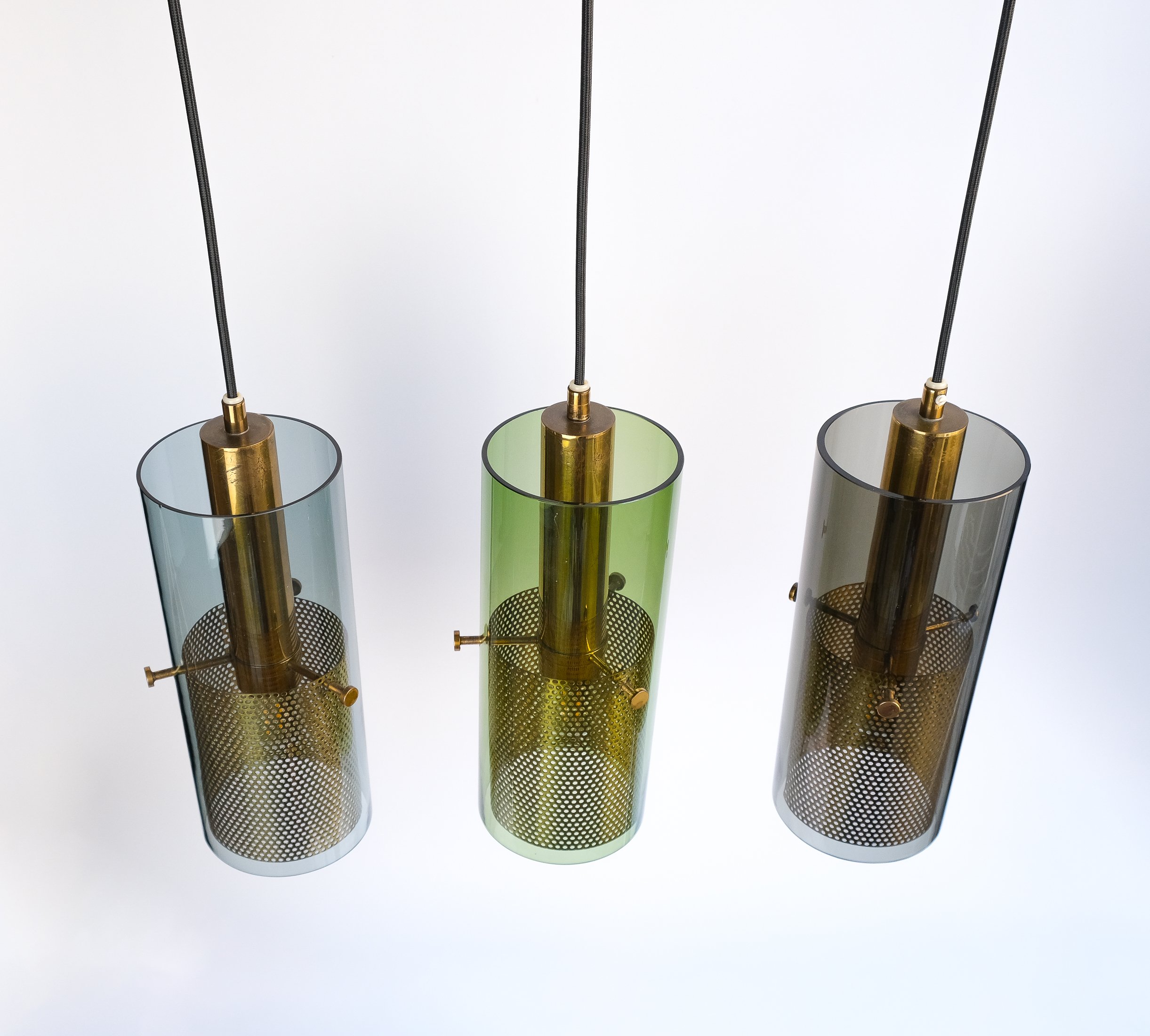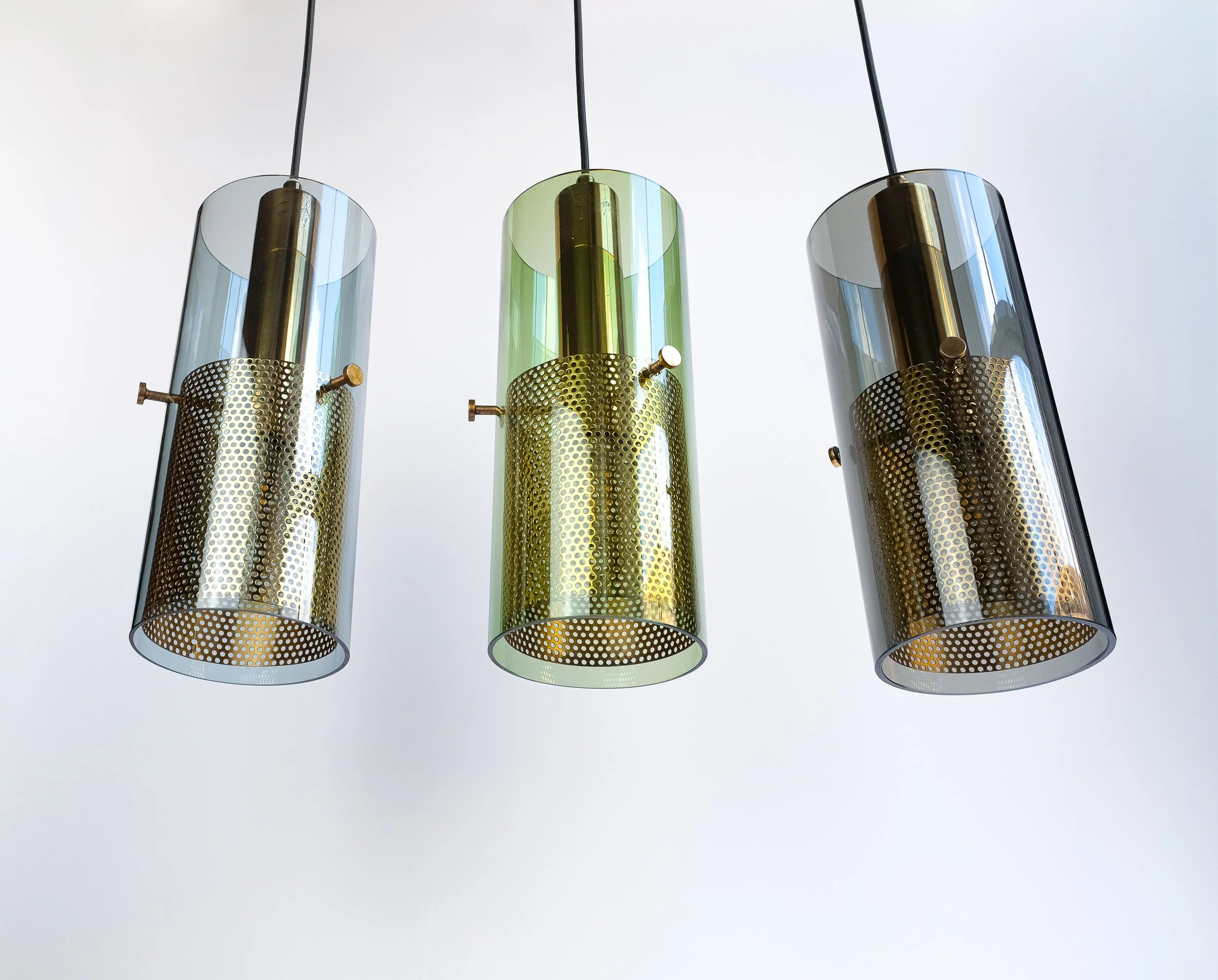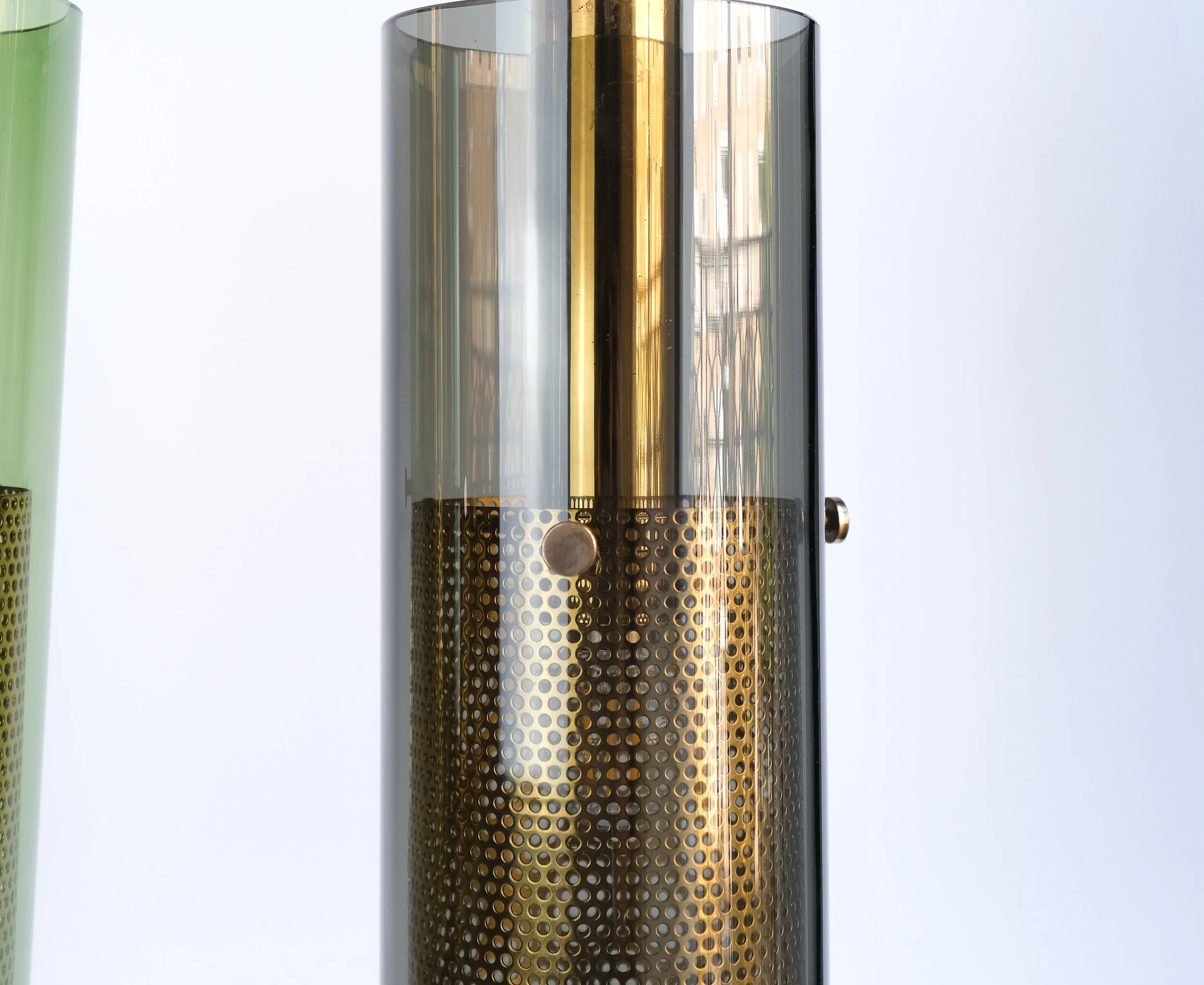

 Image 1 of 11
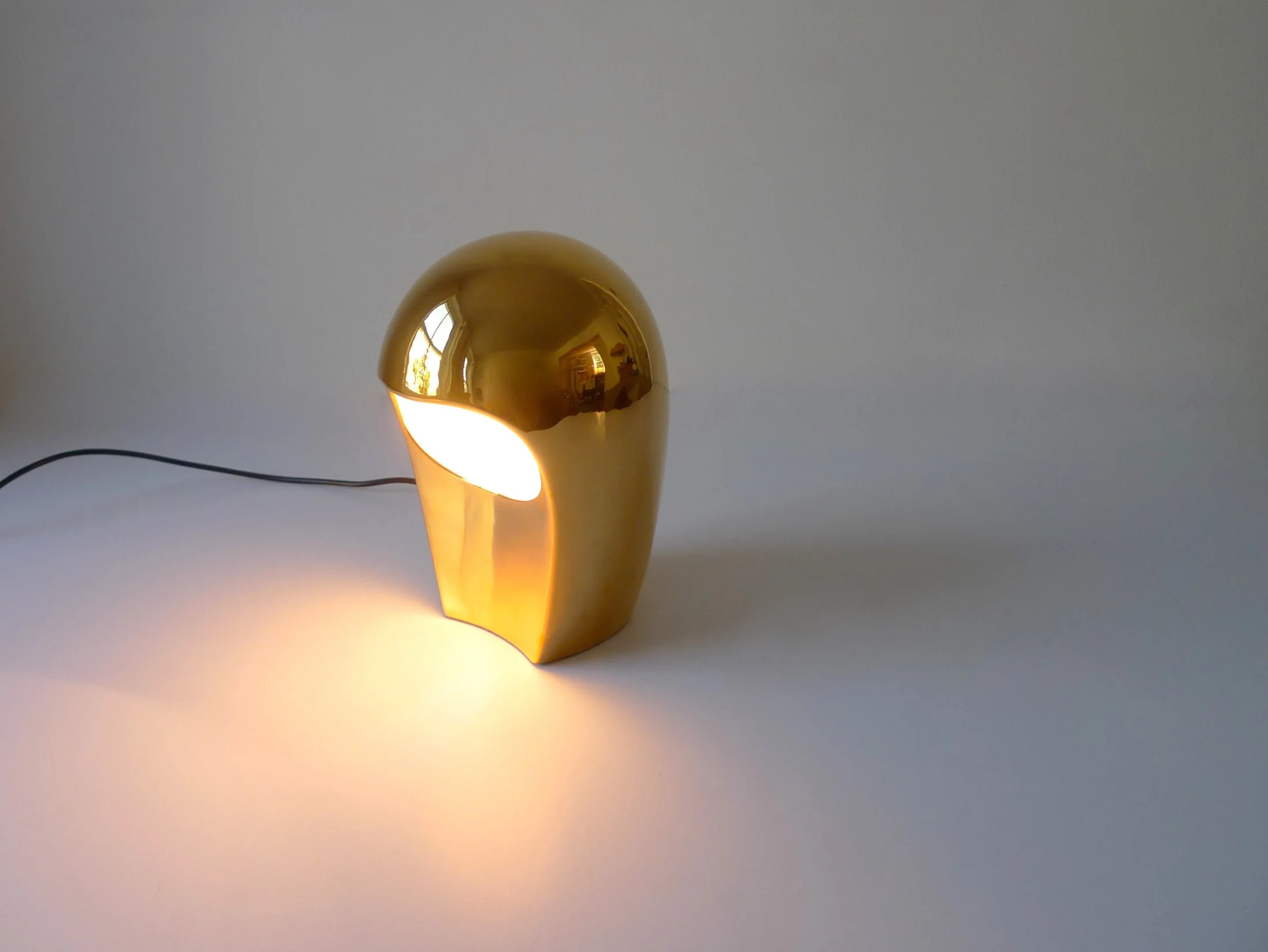 Image 2 of 11
 Image 3 of 11
 Image 4 of 11
 Image 5 of 11
 Image 6 of 11
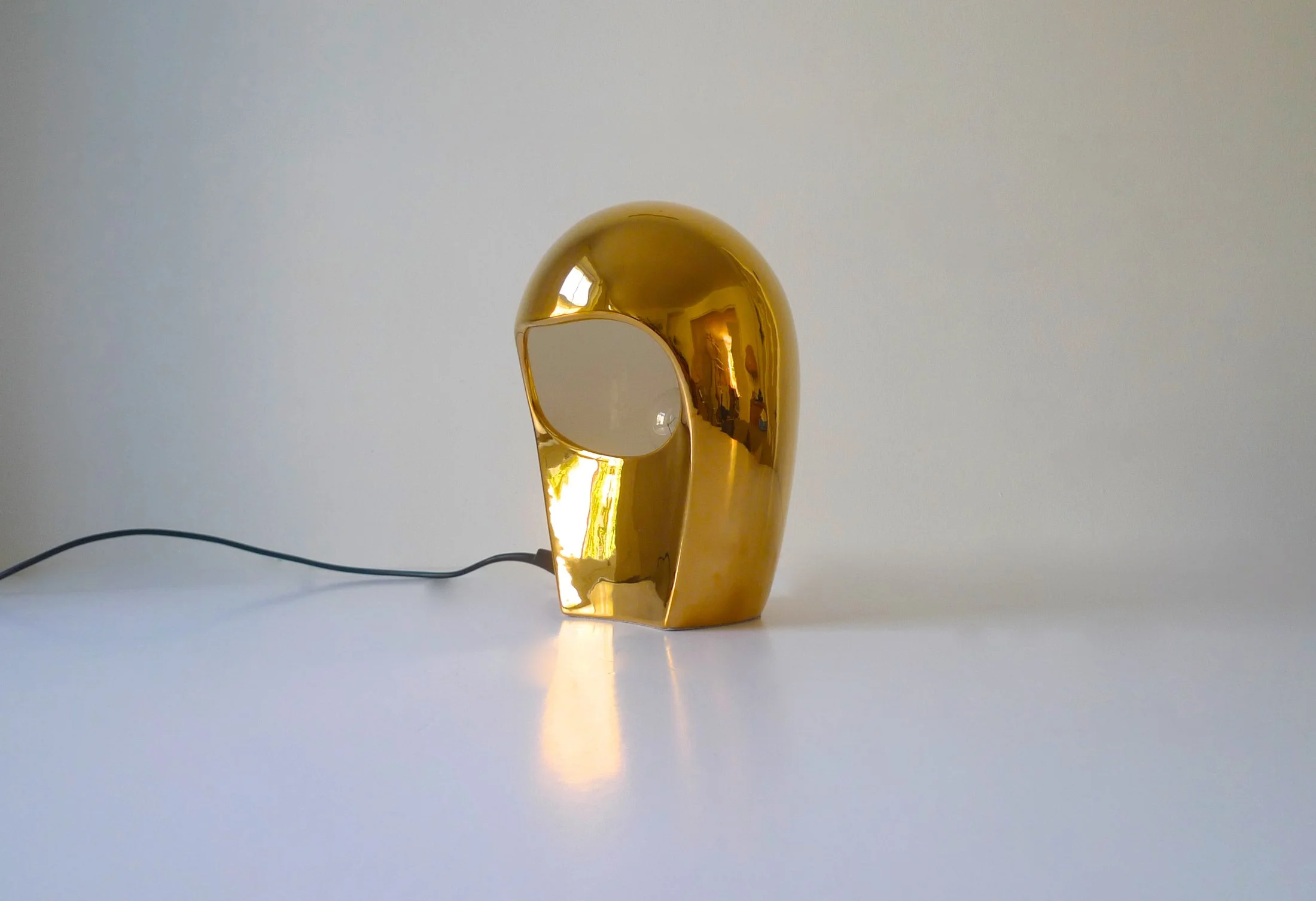 Image 7 of 11
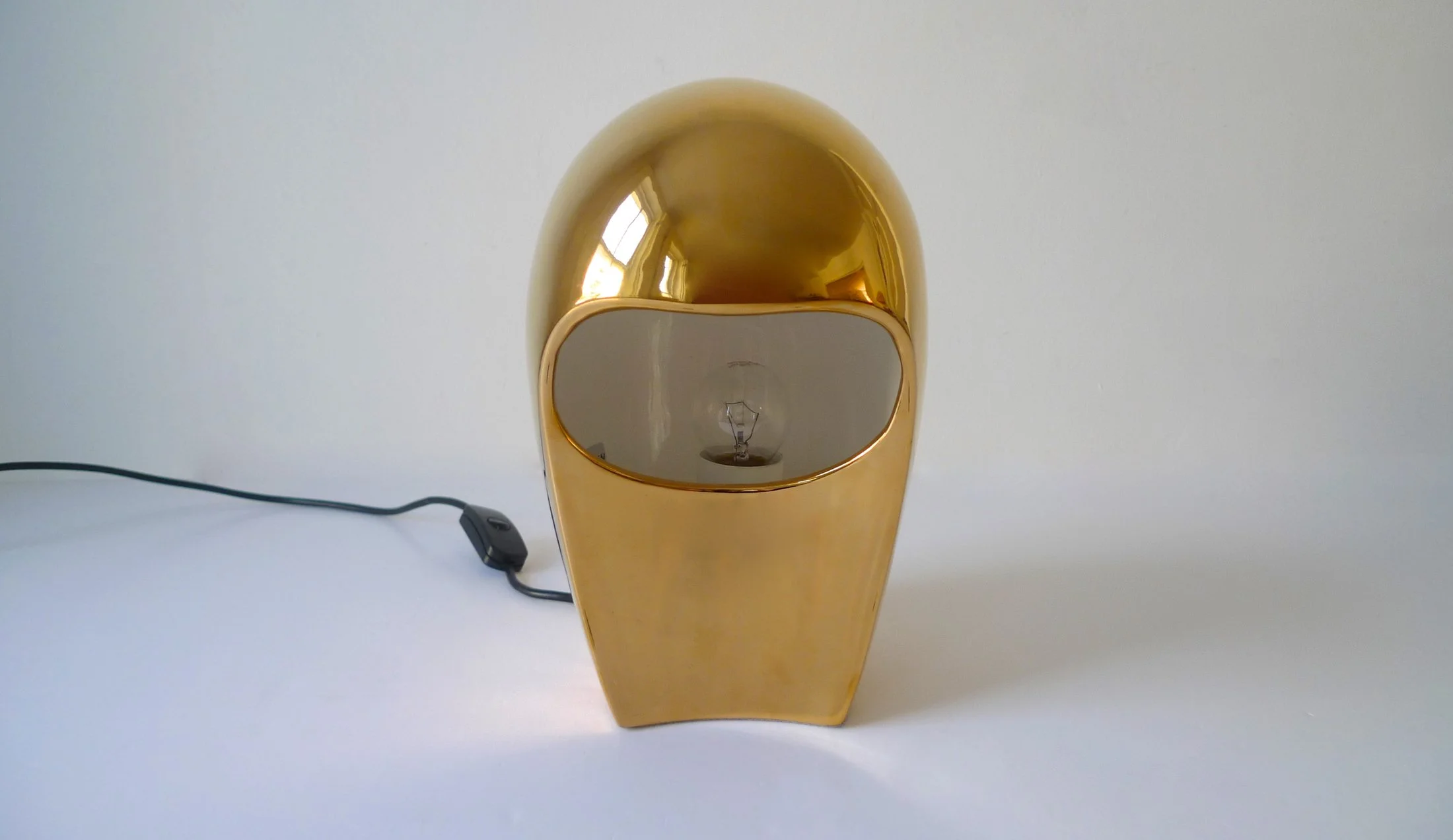 Image 8 of 11
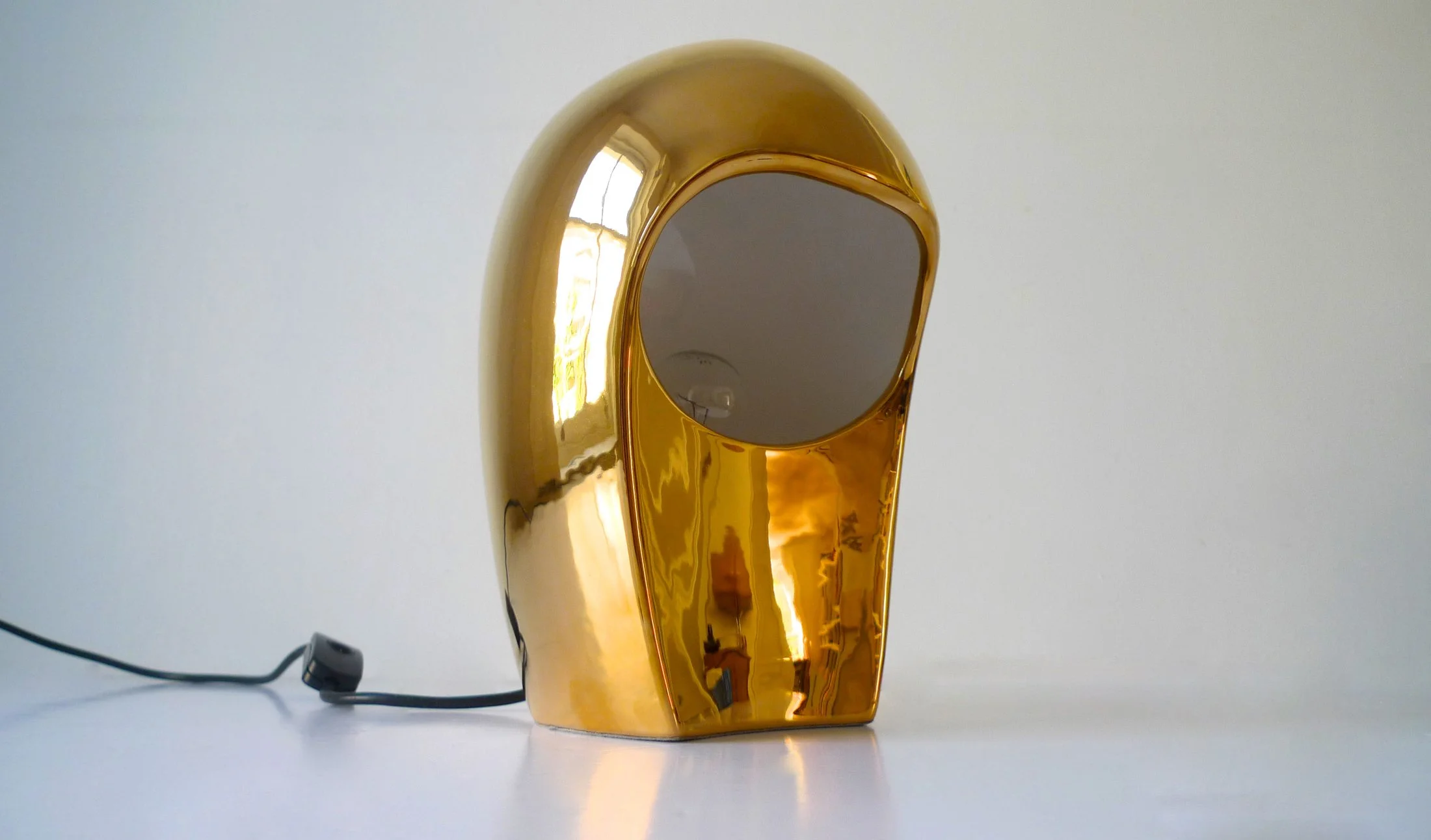 Image 9 of 11
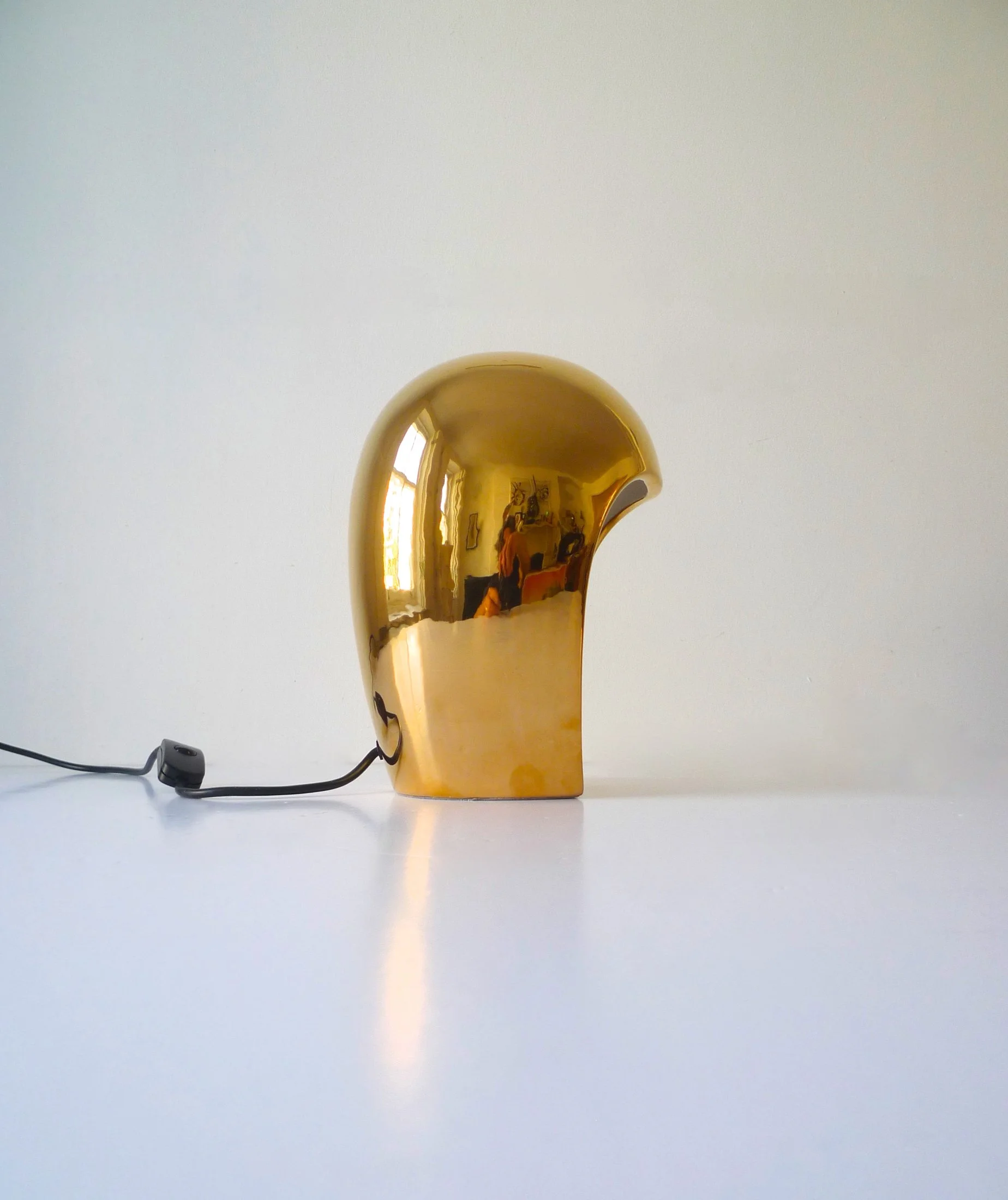 Image 10 of 11
 Image 11 of 11
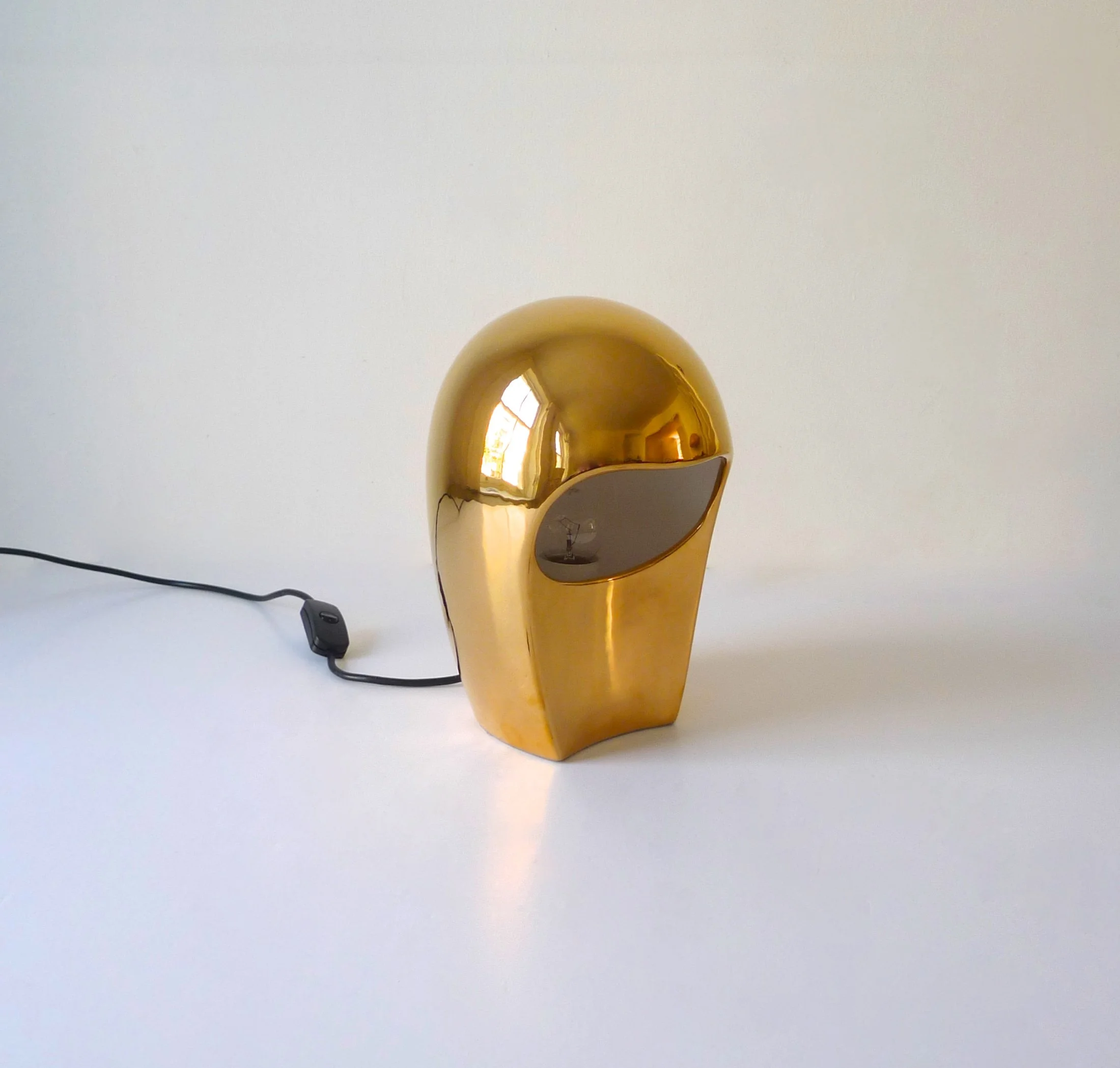
Born in Lastra a Signa, near Florence, in 1919, Italian ceramicist Alvino Bagni became an important figure in the development of modern Italian ceramics. After establishing his own workshop in the aftermath of the Second World War, he founded Ceramiche Bagni, building a reputation for imaginative forms, richly textured surfaces and innovative glazing techniques. The 1950s and 1960s were particularly significant years for the company, with collaborations involving prominent international names, including American design importer Raymor and German manufacturer Rosenthal, helping to bring Bagni's work to a wider audience. Combining traditional Tuscan craftsmanship with a distinctly modern aesthetic, his studio produced an extensive range of decorative ceramics, from sculptural vases and tableware to striking lamps and ornamental objects. By the 1980s, the business employed more than 100 people and was recognised for its high-quality artisanal production. Although the original factory closed in 1990, Bagni went on to establish Nuove Forme in 1993, continuing his ceramic journey until his retirement. His work remains highly regarded by collectors of Italian Mid-Century design.
Founded in London in 1964 by British designer Terence Conran, Habitat played a hugely influential role in changing the way Britain furnished and decorated its homes. Opening its first store on Fulham Road, Chelsea, Conran set out to make contemporary design more accessible, introducing a fresh approach that combined modern furniture with carefully selected lighting, textiles, ceramics and everyday household objects. Drawing inspiration from European Modernism, particularly Scandinavian and French design, Habitat championed simple forms, natural materials, bold colours and practical, well-considered objects. Its eclectic collections brought together original designs, international pieces and traditional craftsmanship, encouraging a more relaxed and individual approach to interiors.
A new chapter began in 1998 with the appointment of British designer Tom Dixon as Head of Design, later becoming Creative Director. During his tenure, which lasted until 2008, Dixon revitalised Habitat's creative direction, placing renewed emphasis on material innovation, strong forms and adventurous contemporary design, while retaining Conran's original vision of making good design accessible. He also brought an exciting new generation of designers into the fold, alongside established international names, helping Habitat maintain its position at the forefront of British interiors. Through its distinctive stores, influential catalogues and ambitious collections, Habitat became synonymous with the design-conscious spirit of the 1960s, 1970s and beyond. Its contribution to British design culture remains significant, and many of its earlier pieces are now sought after by vintage collectors.
More Info.
-
Free shipping on all UK purchases. Local pick-up from London N7 is also possible and is by appointment only.
-
If you are outside the UK, please use the contact form below to get in touch with us for a shipping quote before purchasing.
Say Hello.
Looking for an international shipping quote (outside the UK)? Looking for more information about something you’ve seen? Or have something interesting you think we should see? We’d love to hear from you.